If you’ve ever seen videos from Japan where people tap their smartphone on a turnstile and pass through in a fraction of a second, you probably thought: well, it’s Apple Pay, what’s the big deal. It’s both yes and no. Japan uses a completely different contactless payment system. And it has something that our familiar NFC doesn’t have. In Japan, everything seems more thoughtfully designed.
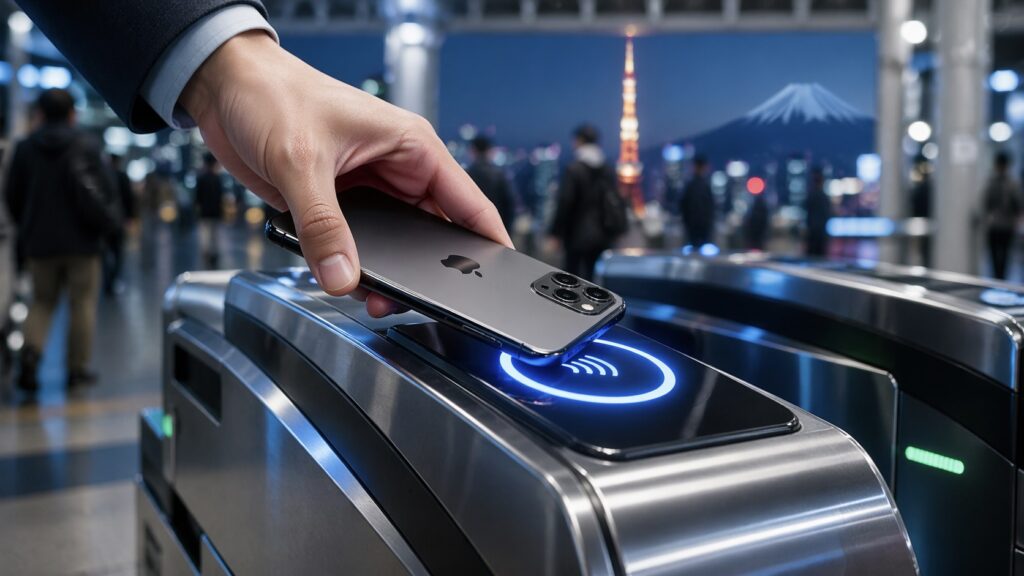
Also, in Japan people very often pay with the screen facing down. Just a habit
What Is FeliCa and Why Is It Faster Than Regular NFC
We’re used to the NFC-A and NFC-B standards. These are what Apple Pay runs on in Europe, the USA, and most other countries. You hold your iPhone to the terminal, confirm with Face ID, and you’re done.
In Japan, everything is different. Since 1997, they’ve been using FeliCa technology (short for Felicity Card), developed by Sony. In NFC Forum terminology, it’s called NFC Type F, or NFC-F. It’s a separate standard that Sony tried to include in the international ISO/IEC 14443 specification as Type C, but it was rejected. However, FeliCa was incorporated into the ISO/IEC 18092 standard, which became the foundation of NFC.
The key difference: speed. FeliCa processes a transaction in approximately 0.1 seconds. The data transfer rate is 212–424 kbit/s, while NFC-A/B has a base speed of 106 kbit/s. The difference is noticeable, especially when several million people pass through the turnstiles at Shinjuku Station every day.
Payment Without Face ID: How Japanese People Pay with Their Smartphones
Another feature that surprises you at first encounter: in Japan, you can pay with your smartphone without confirming the payment with your face or fingerprint. You just hold the phone to the reader — and that’s it.
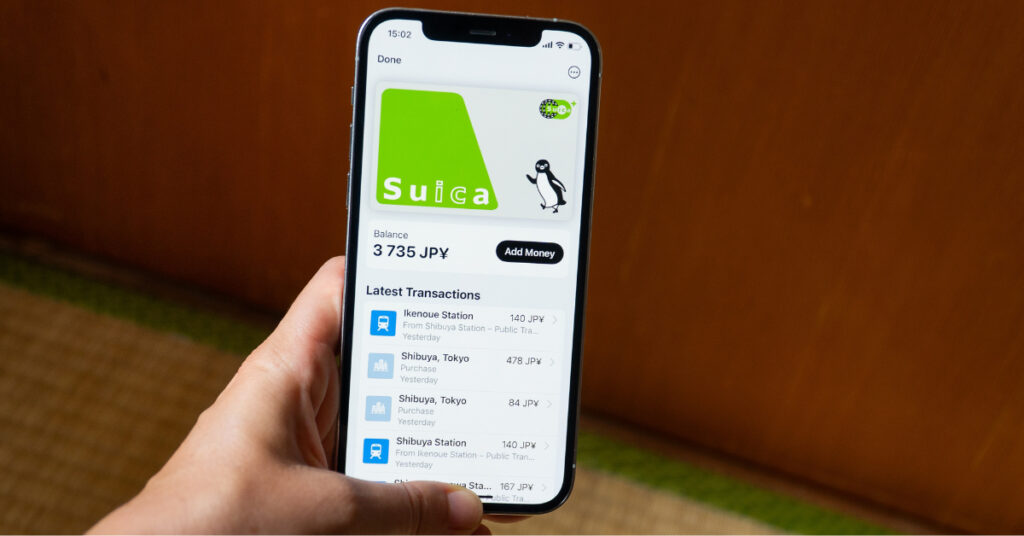
One of the most popular cards in Japan allows you to pay without biometrics
This works thanks to the Express Mode feature in Apple Pay. When you add a Suica, PASMO, or ICOCA transit card to Apple Wallet, Express Mode is automatically enabled. In this mode, iPhone doesn’t require Face ID, Touch ID, or even screen unlocking. The phone can be locked and even partially discharged: the feature works in power reserve mode for up to five hours after the device shuts down.
An important nuance: Express Mode without authentication works primarily for transit. For purchases in stores, the terminal may request confirmation via Face ID.
iPhones That Support FeliCa
When Apple brought Apple Pay to Japan in 2016 along with iPhone 7, FeliCa support was only available in devices purchased on the Japanese market. Without this standard, selling iPhones in Japan would have been difficult: according to Apple, FeliCa handles more than 160 million transactions per day across the country.
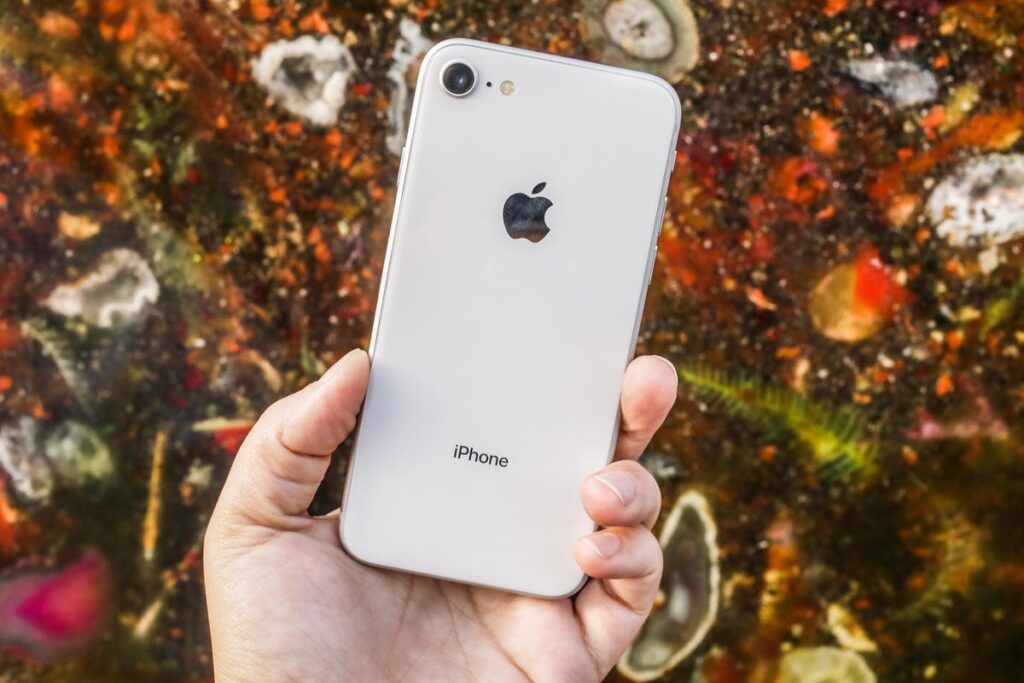
Starting with iPhone 8, Apple smartphones support FeliCa regardless of the country of purchase
Already in 2017, with the release of iPhone 8 and iPhone X, the situation changed. Apple implemented so-called Global FeliCa: all iPhones and Apple Watches sold in any country in the world received hardware support for NFC-A, NFC-B, and NFC-F simultaneously. This means that your iPhone, purchased in Russia or Europe, is technically capable of working with Japanese Suica transit cards.
Android Smartphones and FeliCa: Is There Support?
With Android smartphones, things are more complicated. Most manufacturers add a FeliCa chip only to models for the Japanese market. A typical Samsung Galaxy purchased in Russia or the USA supports only NFC-A and NFC-B. That’s enough for contactless payments via Visa and Mastercard, but Japanese transit cards and systems like Suica, iD, or QUICPay won’t work.
An interesting case is Google Pixel. Starting with Pixel 4, all models worldwide are equipped with a hardware FeliCa module, but it is software-locked outside Japan. Enthusiasts on XDA forums have found ways to activate it through bootloader unlocking, but that’s more of a hacker trick than a practical solution.
This creates a paradoxical situation. An iPhone purchased anywhere works with FeliCa out of the box. But an Android smartphone needs to be bought locally in Japan for full functionality. This is one of the reasons why the iPhone market share in Japan remains consistently high.
What iPhone Owners Need to Know Before a Trip to Japan
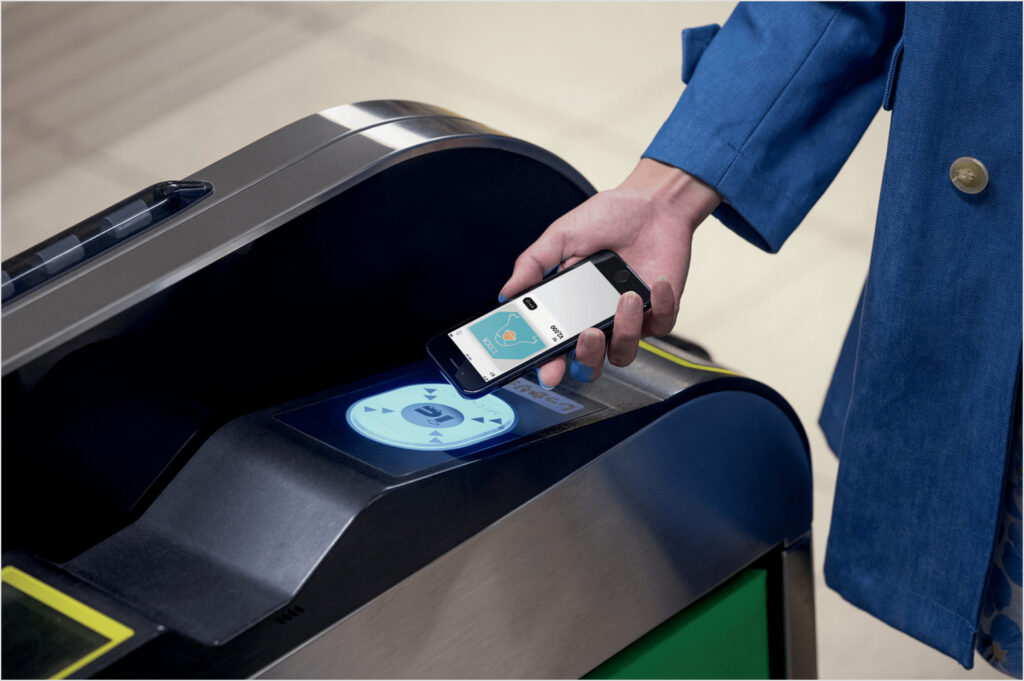
Japan is a very technologically advanced country, and there’s no arguing with that
If you’re planning a trip to Japan, here’s the main thing to remember. Your iPhone (starting with model 8 and newer) already supports FeliCa. You can add a virtual Suica card directly in Apple Wallet, top it up with your preferred method, and use it on the subway, buses, in stores, and even in vending machines. You don’t need to buy a plastic card at the station. You don’t need to deal with local banks.
This is also a great example of how Apple quietly solves engineering challenges. While Android manufacturers save on licenses and only include FeliCa in regional models, Apple simply included support for all three NFC standards in every iPhone. Without fanfare and without separate bullet points in marketing materials.