The Faster Payments System (SBP) appeared in Russia in 2019 and within a few years became one of the most widely used financial instruments in the country. SBP transfers between individuals, QR code payments in stores and cafes — all of this worked for free with high limits. For Android smartphone owners, it became the primary way to pay: a bank app, camera, QR — and done. Now the Central Bank is introducing SBP fees, and many people immediately asked the question: is it even worth using SBPay on Android after this, and what will happen to transfers?
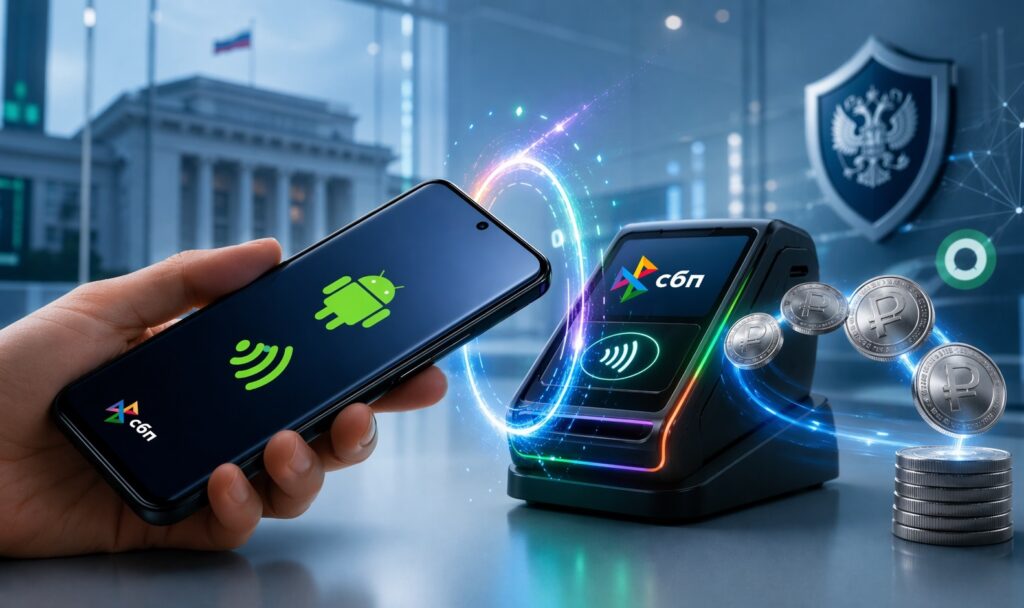
Meet the new fees from the Bank of Russia
What Is SBP in Russia
SBP is an infrastructure of the Bank of Russia that allows instant money transfers between accounts at different banks using a phone number, as well as accepting SBP payments via QR code. Before it appeared, transferring money from one bank to another often took several hours and cost money. SBP made this process instant and free.
Today, the vast majority of retail transfers in the country go through SBP. In short: you just need to know the recipient’s phone number or scan a QR code, and the money is instantly sent to any bank.
SBP Fees in 2026
The Bank of Russia has approved new tariffs for System services. An important nuance that gets lost in most headlines: the SBP fee is being introduced for banks, not directly for users. It is the banks that will pay the Central Bank for each transaction, and it’s up to them whether they pass this cost on to customers.
You probably won’t like the new fee, but there’s no need to worry too much
Banks have two ways to handle this: introduce an explicit fee for specific transactions or revise their general service tariffs, quietly incorporating the new costs. Which path each specific bank will choose remains an open question. But the likelihood that the SBP fee will reach end users in one form or another seems quite probable. There are no free rides in finance.
Fees for Smartphone Payments via SBP
This is where changes will be most noticeable first. The new SBP transactions subject to fees include all payments where one of the parties is a business: SBP QR code payments in stores, cafes, beauty salons, and any other establishments, salary and fee disbursements, settlements between legal entities, and transfers to self-employed individuals.
In other words, every time you use phone payment via SBP through a QR code at the checkout — that’s exactly the type of transaction that now falls under the new tariffs. The QR code payment fee will be charged to the seller’s bank and the buyer’s bank. What exactly changes for you at the checkout depends on the policy of your specific bank.
Now an extra penny will be flying off to the Bank of Russia
The alternative is Android contactless payment via NFC. But briefly, I’ll note that card payment via NFC works on a different infrastructure and does not fall under the new SBP tariffs. If you’re concerned about a potential increase in the cost of Android phone payments via QR, NFC payment remains unchanged.
SBP Fee Amounts in 2026
The SBP fee from 2026 for banks is calculated based on the payment amount. Cross-border transfers between individuals are separate: a fixed fee of 6 rubles is set for those. For all other transactions, the SBP fee amounts are as follows:
- up to 125 ₽ — 5 kopecks;
- from 125 to 250 ₽ — 12 kopecks;
- from 250 to 1,000 ₽ — 30 kopecks;
- from 1,000 to 3,000 ₽ — 80 kopecks;
- from 3,000 to 6,000 ₽ — 2 rubles;
- from 6,000 to 1,000,000 ₽ — 3 rubles.
The amounts look small. But it’s important to remember that the fee is charged twice: from the sender’s bank side and from the recipient’s bank side. With high turnover, this adds up to noticeable amounts for entrepreneurs. The smartphone payment fee via QR is not directly established for end buyers, but indirectly it may be reflected in service tariffs or seller prices.
Will There Be a Fee for SBP Transfers
Fees for regular transfers will remain the same
Good news for those who use SBP transfers between individuals within the country: nothing has changed here. The old rules remain in effect. SBP without fees for transfers between regular people — this still works:
- SBP transfer limit without fees — 100,000 rubles per month;
- transfers exceeding the limit — no more than 0.5% of the amount, maximum 1,500 rubles;
- transfers between your own accounts at different banks — free with no amount restrictions.
If you’re sending money via SBP to a friend, a relative, or just between your own accounts — everything works exactly the same as before. The new tariffs don’t affect this.
When Will SBP Fees Take Effect
The new Central Bank tariffs take effect in literally one week. SBP fees from May 1, 2026 will start applying to banks, and that’s when it will become clear which credit institutions decide to pass the costs on to customers and which will absorb them.
Practical takeaway: if you use Android QR code payments, it’s worth watching for tariff updates from your bank after May 1. Transfers between individuals and associated fees in case of exceeding limits remain the same. SBP transfers from May 1 for businesses and QR code payments — that’s where you should expect possible changes. The most sensible thing right now is not to panic, but also not to ignore notifications from your bank in the coming weeks.