Apple is preparing another blood pressure-related feature for Apple Watch. It is already undergoing approval by the U.S. regulator FDA, but exactly how it differs from the already functioning hypertension notifications on Apple Watch remains unclear.
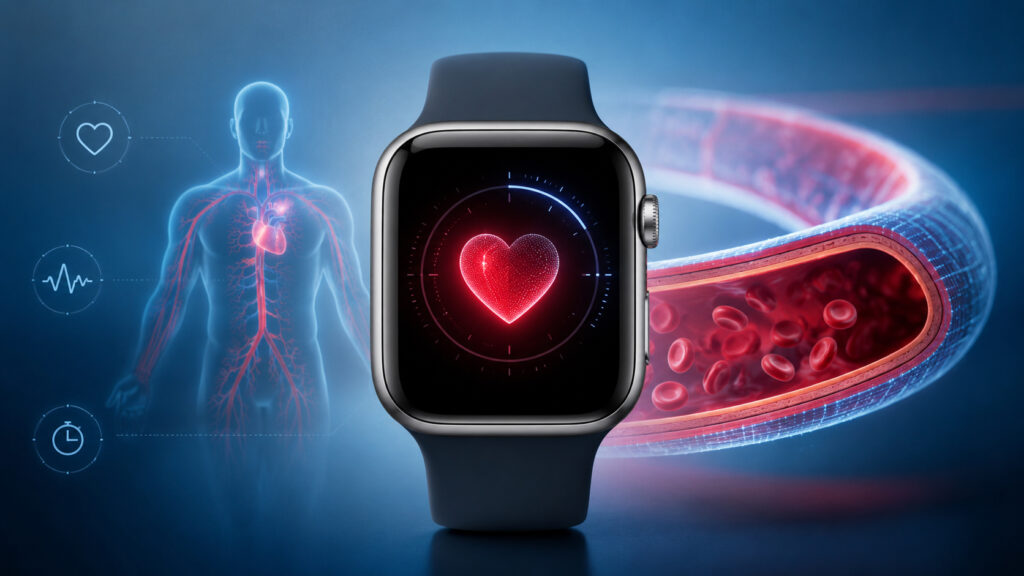
Apple Watch won’t be limited to simple high blood pressure notifications
Which Apple Watch Models Will Get Blood Pressure Monitoring
It has been revealed that Apple has added a new high blood pressure notification to Apple Watch. The feature is not yet publicly available — it is under review by the FDA (U.S. Food and Drug Administration). The information surfaced in the context of two major updates for Apple Watch Ultra 4.
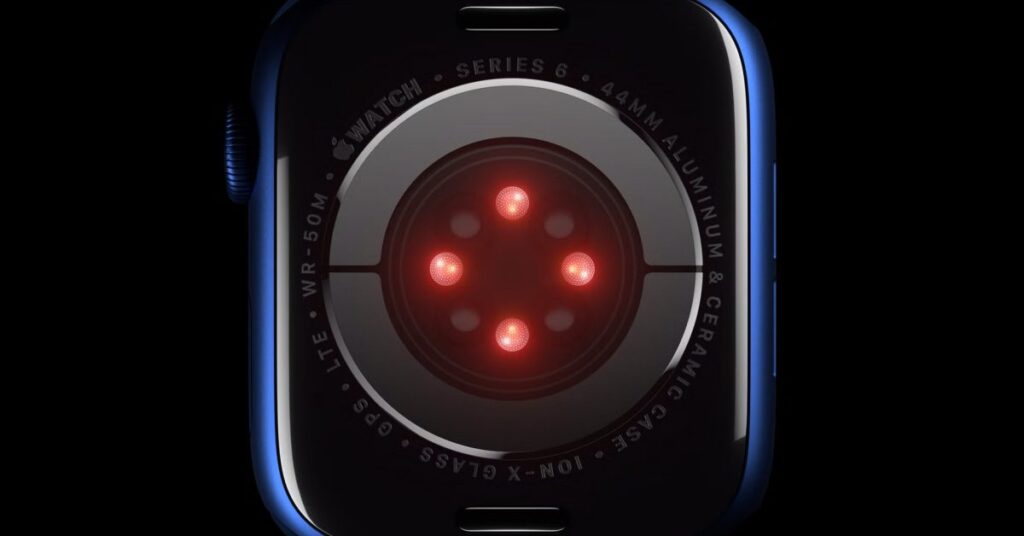
No new sensors will be added to the watch
There are no specific release dates. But since the feature is mentioned alongside details about Apple Watch Ultra 4, it’s logical to assume it could arrive with the new Apple Watch models. This is still a rumor, not information confirmed by Apple.
How the New Blood Pressure Monitoring Differs from Hypertension Notifications
In the fall, with the release of watchOS 26, Apple Watch already learned to warn about signs of hypertension. The watch analyzes sensor data over an extended period and can suggest that the user should measure their blood pressure with a traditional blood pressure monitor and consult a doctor. This is not a full measurement, but rather a signal about a potential problem.
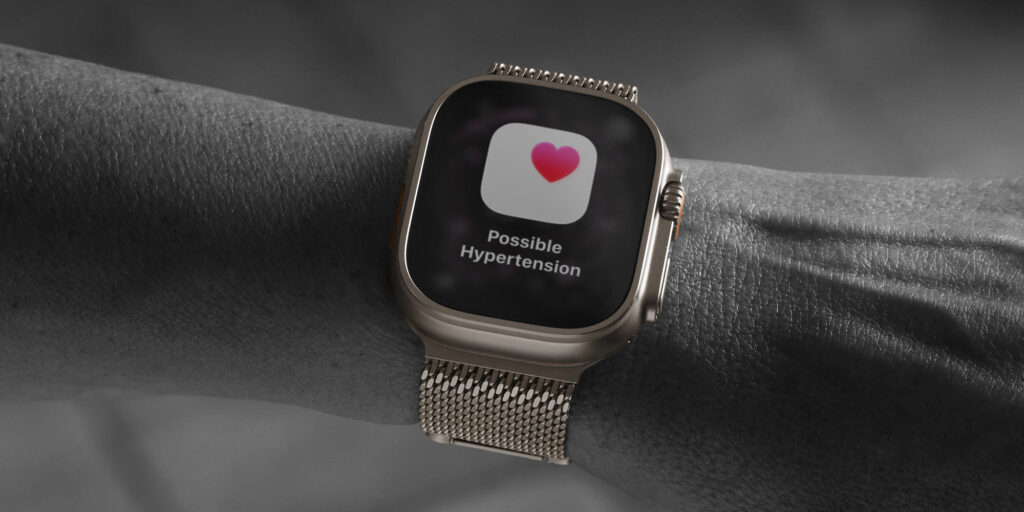
Currently, the watch simply shows a notification about possible hypertension
What exactly the new feature changes has not been specified. Possible options include:
- more accurate or frequent notifications
- a different data analysis algorithm
- expansion of the feature to new markets where it is currently unavailable
- integration with a new sensor in future Apple Watch models
Without an official announcement from Apple, any guesses remain just guesses. It was previously discussed that new Apple Watch models would learn to measure arterial blood pressure, but without displaying exact numbers on the screen.
What FDA Approval Means for Apple Watch
The FDA in the U.S. is responsible for ensuring that medical functions in devices work correctly and don’t mislead people. Any new Apple Watch capability related to health diagnostics goes through the regulator — this was the case with ECG, blood oxygen measurement, and hypertension notifications.
For users, this means two things. First, the feature won’t launch simultaneously in all countries: in some regions it will be enabled right away, in others later, and in some places it may not be available at all. Second, if Apple is putting it through FDA review, the company is positioning it as a medical feature, not a “fitness gimmick.”
Will Apple Watch Get Non-Invasive Blood Sugar Measurement
In addition to blood pressure, Apple continues working on non-invasive blood glucose monitoring — meaning without a finger prick. This technology has been discussed for many years, but it has never made it into mass-produced devices.
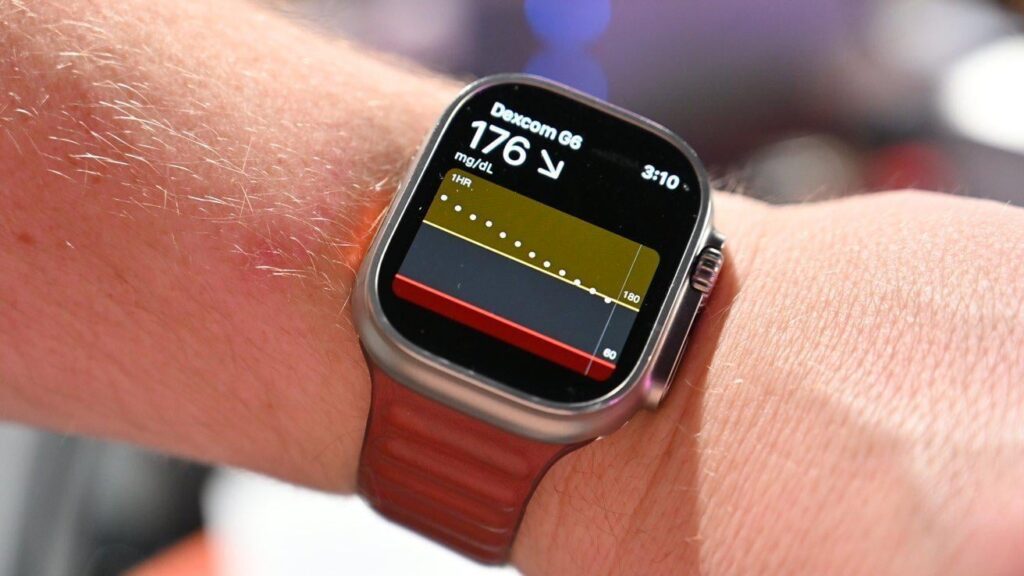
A non-invasive glucometer is definitely not worth waiting for
It’s too early to talk about any breakthrough. This is merely a direction in which the company is conducting research. So Apple Watch owners shouldn’t expect a non-invasive glucometer in an upcoming update — a realistic timeline here is measured in years, not months.
Apple Watch with Blood Pressure Monitoring: Who Needs It
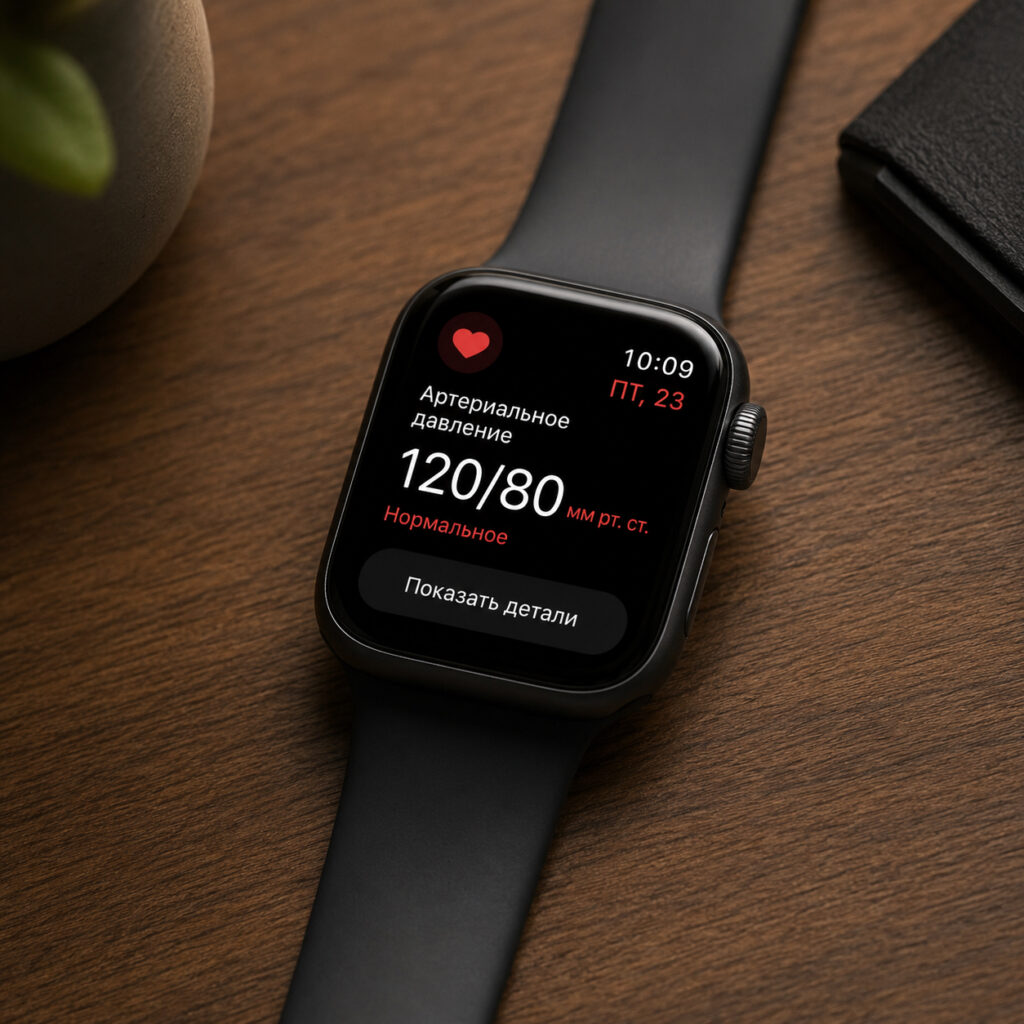
Admit it, it would be cool to open a menu on your watch and see your exact blood pressure
If you already have an Apple Watch with hypertension notifications enabled, nothing changes in daily use for now. There is no new feature in the watch yet — it exists only in FDA documents. This news is worth paying attention to if you:
- are planning to buy a new Apple Watch and health features are important to you
- have already experienced high blood pressure and want additional signal sources
- are following how Apple is gradually turning the watch into a medical gadget
Everyone else can calmly wait for the official announcement. Changing your current Apple Watch just for a future feature is definitely not worth it — there’s too much uncertainty both in the nature of the feature and in the timeline.