Apple has effectively shut down Vision Pro development: the October update with the M5 chip failed to boost interest in the device, and the team has been reassigned to other projects, such as rescuing Siri. The headset isn’t being pulled from sale yet, but there are no plans for new models, meaning the version currently on sale will most likely be the last one.
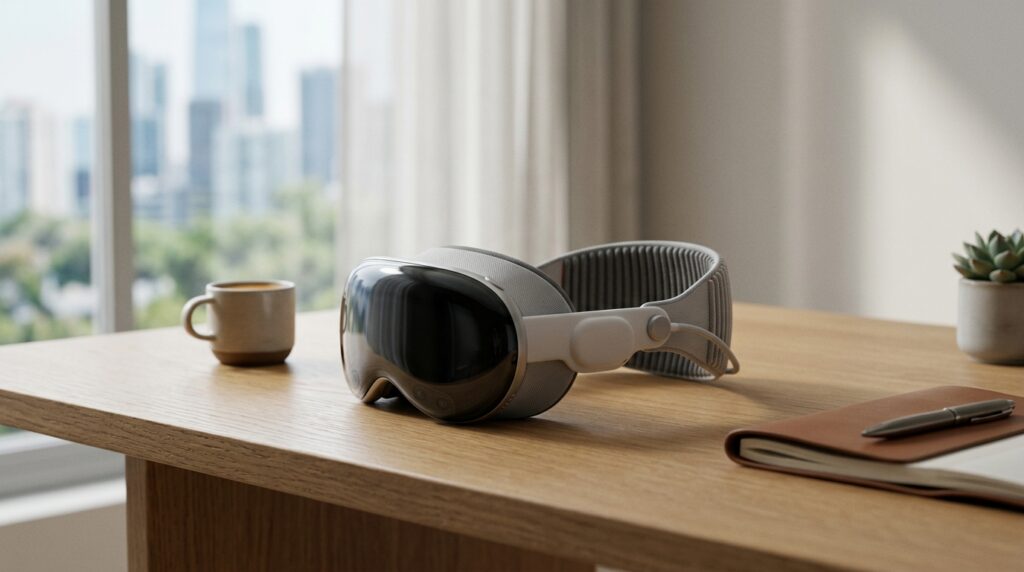
Apple abandoned Vision Pro after the M5 update failure
What Happened to Apple Vision Pro
In October 2025, Apple updated Vision Pro: it installed a faster M5 chip and a new Dual Knit Band mount that better distributes weight on the head. There were no other hardware changes, and buyers once again passed. The price remained the same — $3,499, and at that price point, a cosmetic update wasn’t enough.
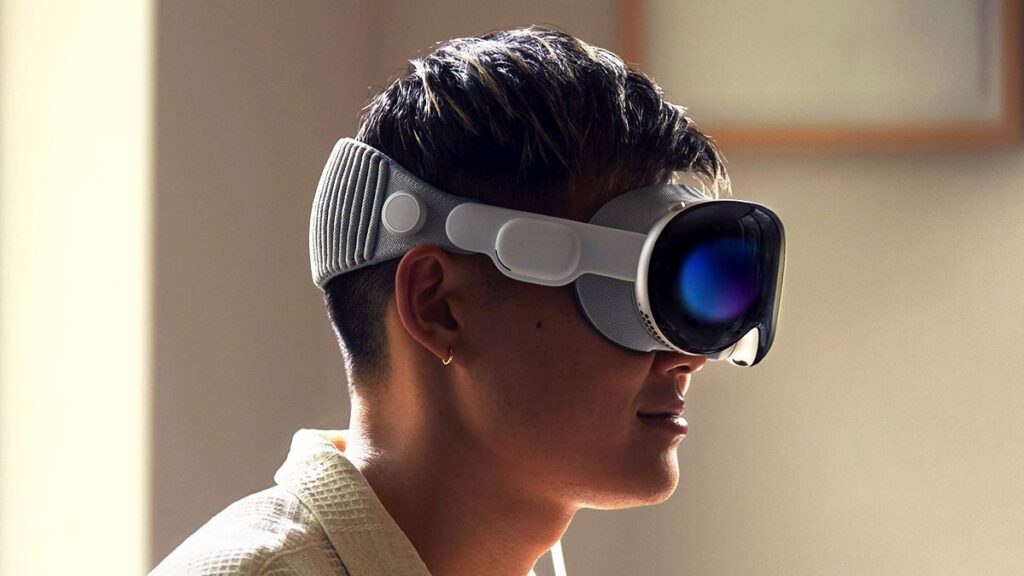
There are still too many questions about the device
MacRumors sources claim that Apple received an unusually high return rate — higher than for any other modern Apple product. In total, over the entire existence of Vision Pro, Apple sold around 600,000 units — for Apple’s scale, that’s very little.
Apple Vision Pro M5: Key Differences from the First Version
The 2025 update brought specific but incremental improvements:
- 120 Hz display refresh rate instead of the previous one
- approximately 10% more rendered pixels
- about 30 additional minutes of battery life
- new Dual Knit Band mount for more even weight distribution
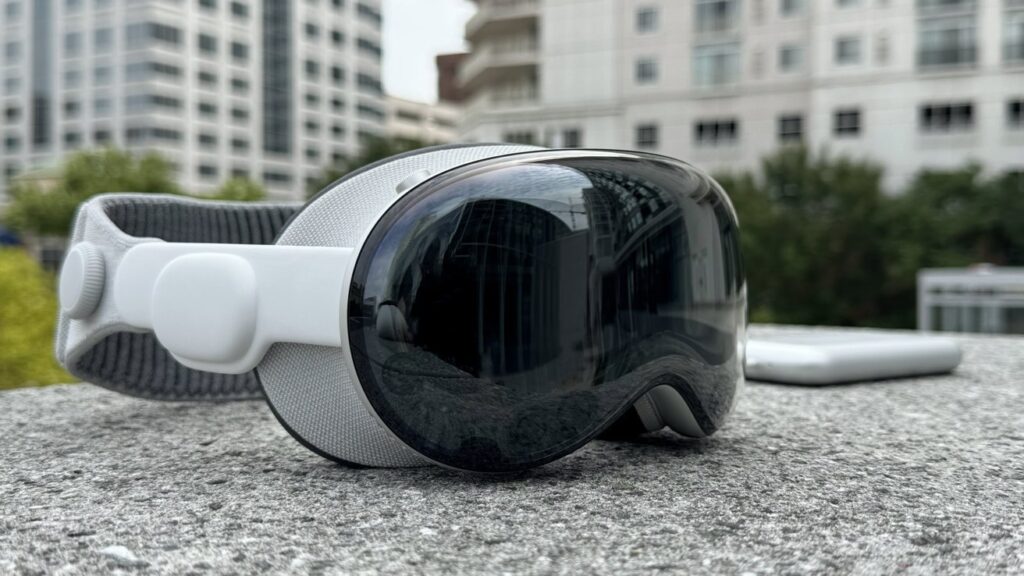
Even professionals won’t be able to tell the M5 version from the original
The problem is that the main complaints about Vision Pro — price and weight — haven’t gone anywhere. The headset weighs over 600 grams, and even with the updated mount, wearing it for long periods is still uncomfortable. And the $3,499 price tag makes the purchase rational only for a very narrow group of people.
Why Apple Is Betting on Siri Instead of Vision Pro
The headset team has been distributed across other projects within Apple. Some employees are working on Siri — this makes sense because the head of the Vision Pro division, Mike Rockwell, has been leading the Siri team since March 2025. In other words, Apple is redirecting human resources to where the main battle is happening — the voice assistant and AI features.
According to rumors, Apple was working on a lighter and cheaper version called Vision Air, but that project was halted last year. Theoretically, the lineup could be revived if the company manages to create a significantly lighter and more affordable headset, but right now there are no plans to release a new model.
Apple Smart Glasses: What We Know About the Vision Pro Replacement
Instead of continuing VR experiments, Apple has begun developing smart glasses. The first version will be similar to Meta* Ray-Ban: glasses with AI and no built-in display, and later the company plans to add augmented reality features.
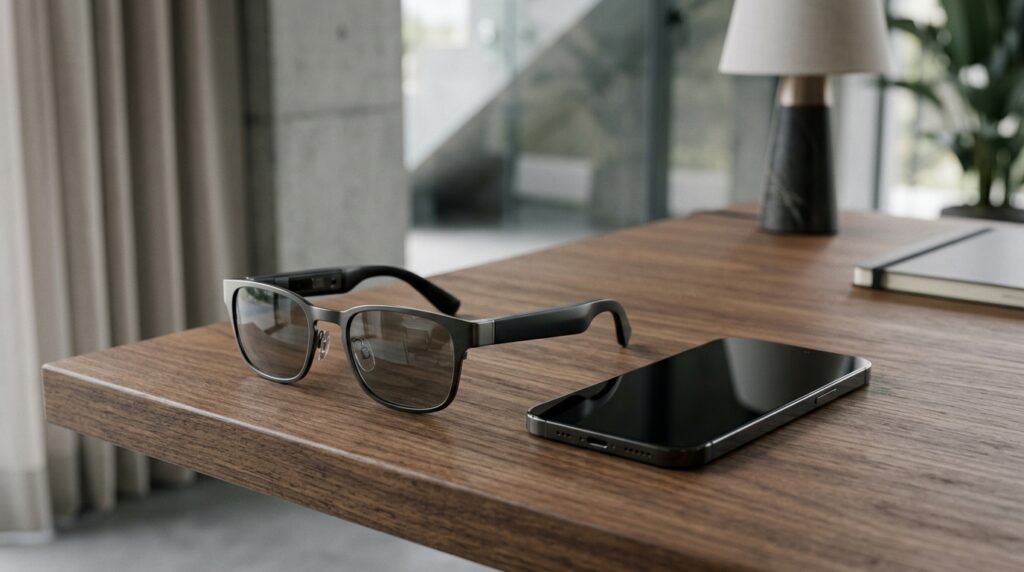
Instead of a VR headset, Apple is betting on smart glasses
An important detail: Vision Pro technologies can’t simply be transferred to glasses. They’re too power-hungry for a small, lightweight device, and Apple is essentially starting the hardware from scratch. This explains why the path from headset to glasses takes the company years, not seasons.
Will Apple Continue Supporting Vision Pro
Apple is not pulling Vision Pro from sale and continues to sell the M5 model. But users need to understand several things:
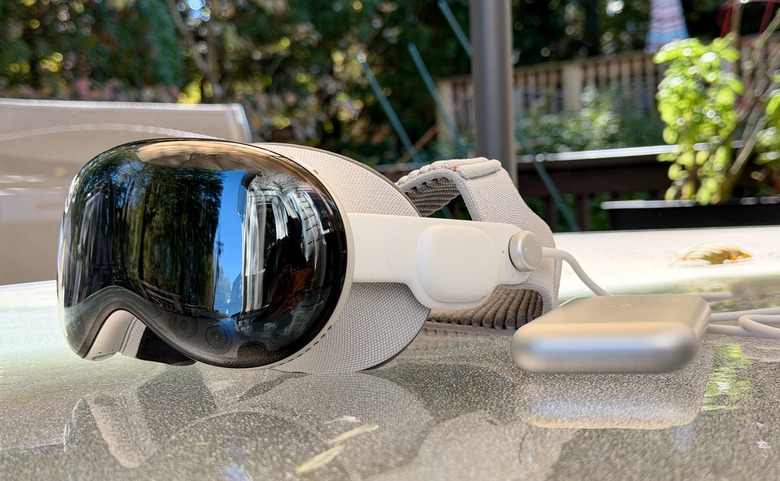
If you already own the headset, don’t worry — Apple will continue supporting it, but buying a new one is definitely not worth it
- the device won’t become a “brick” — it works, is supported, and continues to be sold
- don’t expect a successor anytime soon — the company has no plans for a new model
- the resale value of such a headset on the secondary market will likely drop faster than that of an iPhone or Mac
- the app ecosystem is unlikely to grow at the same pace now that Apple has reassigned the team
Buying Vision Pro now only makes sense for a narrow group of users — developers, professionals who need specific spatial video and 3D content workflows, and enthusiasts willing to consciously invest in a niche device.
If you were considering Vision Pro as a consumer gadget — feel free to pass. The M5 story showed that even Apple couldn’t turn the headset into a mass-market product, and the company’s next bet is smart glasses, not VR. If you already own a Vision Pro, there’s no reason to panic: the device works and is still being sold — just think of it as the final version of the generation, not the beginning of a major product line.
*recognized as extremist and banned in Russia