Apple submitted a sharp comment to Japan’s Ministry of Internal Affairs and Communications: the company essentially accused some smartphone manufacturers of low build quality and rapid obsolescence of their devices. The reason was a discussion about how to calculate the residual value of phones — a parameter that affects discounts and sales conditions from Japanese carriers. For users, this dispute isn’t about engineering but about money — about the price at which a smartphone can be traded in or the discount received when purchasing a new one. If you’re wondering how much an iPhone costs right now, this story explains why iPhone prices hold so confidently.
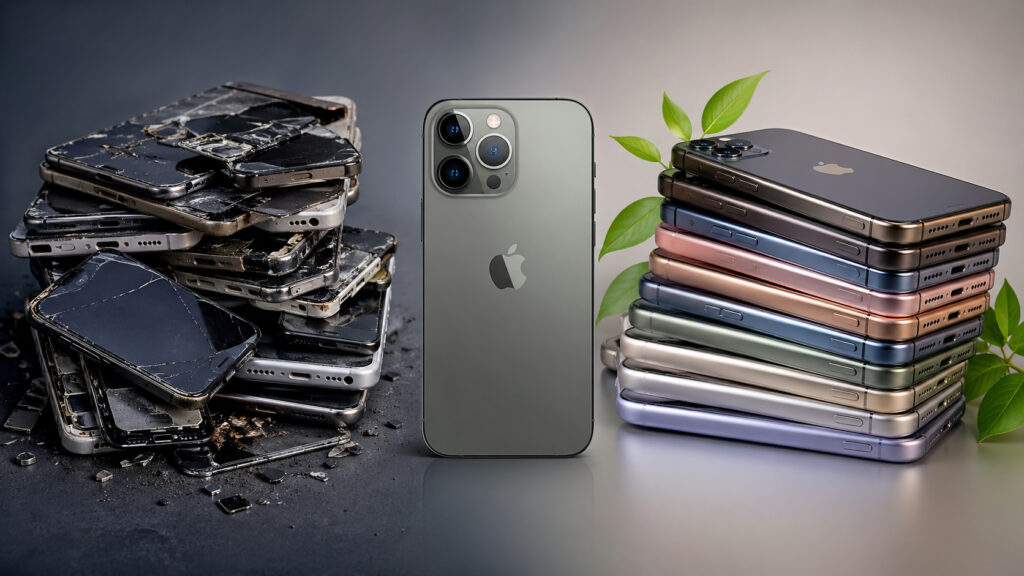
Apple claims that Android smartphones differ from iPhones with poor build quality
What Apple Said About Android Smartphone Quality
On April 20, 2026, the Japanese regulator held an online session of the relevant commission to review the mobile market, where measures against “hopping” — frequent switching of plans for discounts — were discussed. As part of this discussion, Apple submitted its own response to additional questions from the commission, and part of its position was published openly.
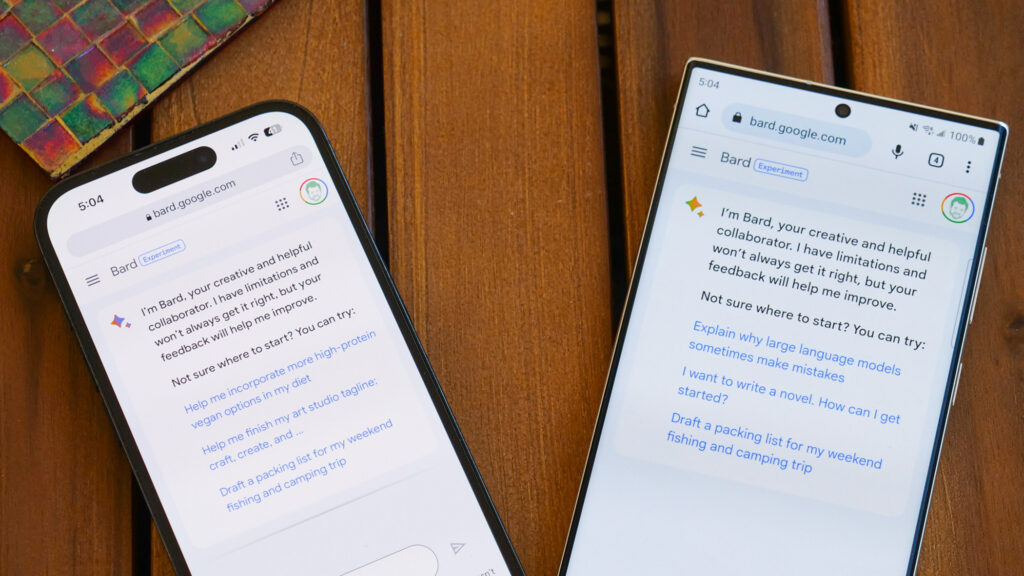
Let’s be honest, Samsung’s build quality is top-notch, no worse than iPhone
Apple claims that some smartphone manufacturers propose an “incorrect” method of calculating residual value of devices, which, in the company’s opinion, distorts the market and weakens competition between models. According to Apple’s wording, many of these competitors produce products with inferior manufacturing quality and faster obsolescence, so such devices quickly lose value on the open market — and that’s precisely why, Apple believes, their manufacturers promote a unified, averaged method of calculating residual value.
Smartphone Residual Value: How It Affects the Price
Residual value is the amount a device retains one, two, or three years after purchase. It determines trade-in programs and carrier discounts. In Japan, regulators are discussing exactly how to calculate it because it directly affects smartphone prices in carrier stores.
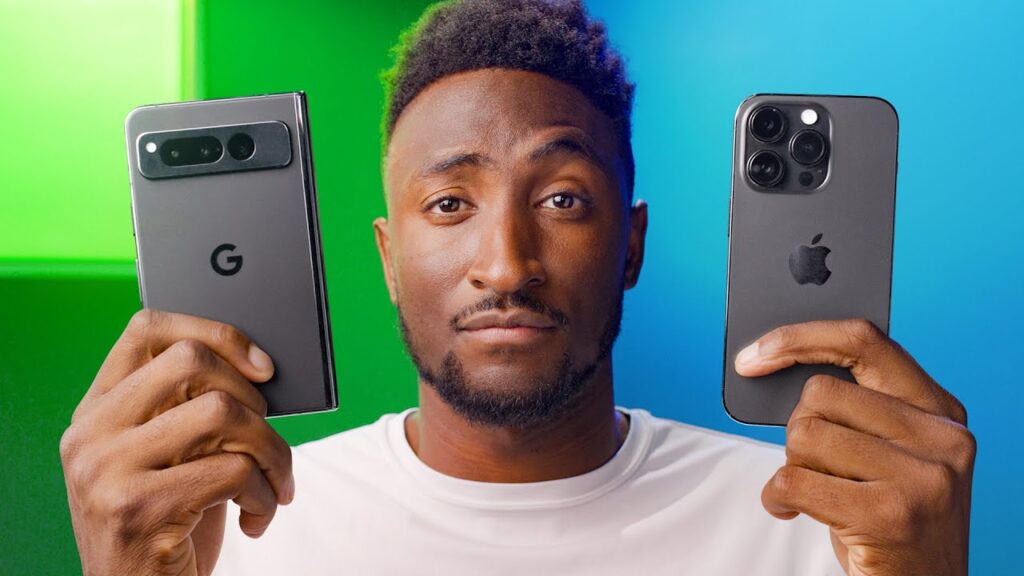
iPhones sell for more on the secondary market than competitors from the same year
Apple opposes a unified percentage-based method of calculating residual value for all brands. The company’s logic is simple: if an iPhone is actually worth more on the secondary market after two years than a comparable competitor, then an averaged formula artificially lowers its price while simultaneously inflating the price of devices that depreciate faster. Apple believes this is unfair to its products and to the customers who chose them.
Why Apple Defends the High Value of iPhone
This isn’t the first time Apple has addressed the Japanese regulator. The company regularly participates in discussions about rules for Japan’s mobile market — from restrictions on 5G smartphone discounts to topics related to user data. The stakes are the same now: residual value calculation rules affect how competitive iPhone will be in carrier offerings.
Apple explicitly writes that the averaged formula “discriminates” against the company and its customers, and insists that residual value should be determined by the market — objectively and for each specific model. In other words, Apple wants its devices to be valued at their actual secondary market price, rather than some one-size-fits-all average.
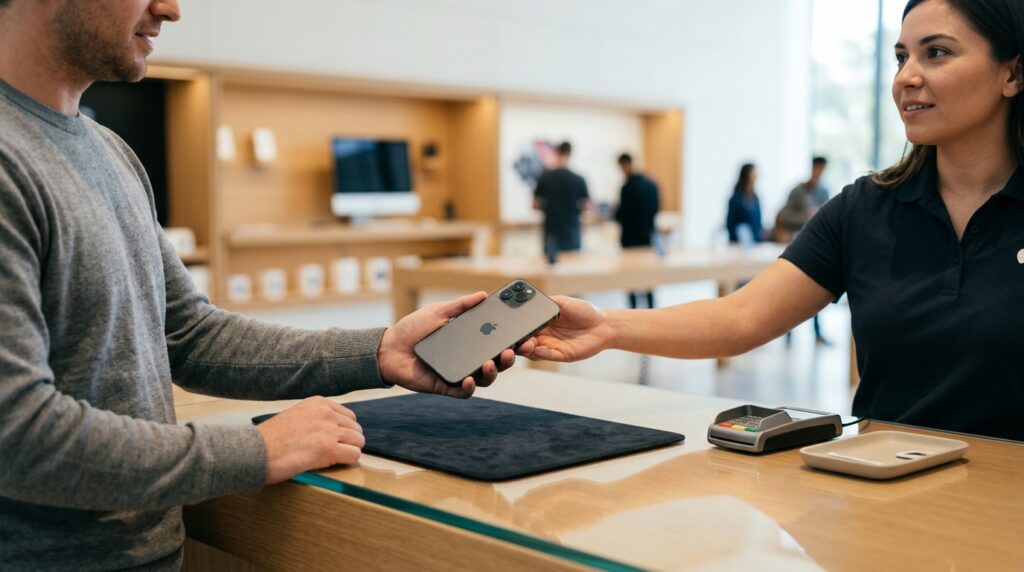
Trade-in conditions and carrier discounts depend on the residual value calculation method
Used iPhones Cost More Than Android: What’s the Reason
An important point: this is not an independent study, but Apple’s argument in a regulatory dispute. The claim about competitors’ “inferior quality” is the assessment of a company with a vested interest in the outcome of the discussion, not a conclusion from the commission or data on breakdowns or service life.
What is actually confirmed by the market and is undisputed:
iPhone’s support lifespan is much longer — that’s hard to argue with
- iPhones on average depreciate more slowly on the secondary market than most Android smartphones of a comparable class.
- Apple supports its devices with iOS updates for longer — this affects the perception of “obsolescence.”
- Some Android manufacturers do update older models less frequently and for shorter periods.
But the wording about “low manufacturing quality” is rhetoric aimed at the regulator, not an objective fact. Many competing flagships match or even surpass the iPhone in build quality and materials.
What’s More Cost-Effective: iPhone or Android
iPhone traditionally holds its value better on the secondary market, and this affects the real cost of ownership: if after two to three years you sell an iPhone for more than a comparable Android with the same starting price, the difference in the initial premium is partially offset. This is an argument in favor of iPhone if you plan to change smartphones every 2–3 years and sell the old one.
On the flip side — Apple’s words shouldn’t be taken as universal truth. Specific Android flagships can also have high residual value, especially top models from well-known brands. But Apple’s position itself serves as a useful reminder: residual value is a real factor when choosing a smartphone, and when buying, you should look not only at the store price tag but also at how much the device will be worth in a couple of years. In this regard, iPhone remains one of the most predictable options.