The State Radio Frequency Commission plans to allocate a 5G frequency band to four major carriers by the end of June. On paper, this sounds like the long-awaited launch of next-generation networks, but in practice, internet speed for users won’t change. We’re still waiting for the iPhone 18 Pro with new features, and now there’s hope that 5G in Russia will finally work on it. Let’s break down what’s really behind this news and why the 5G icon on your smartphone screen won’t do anything for you.
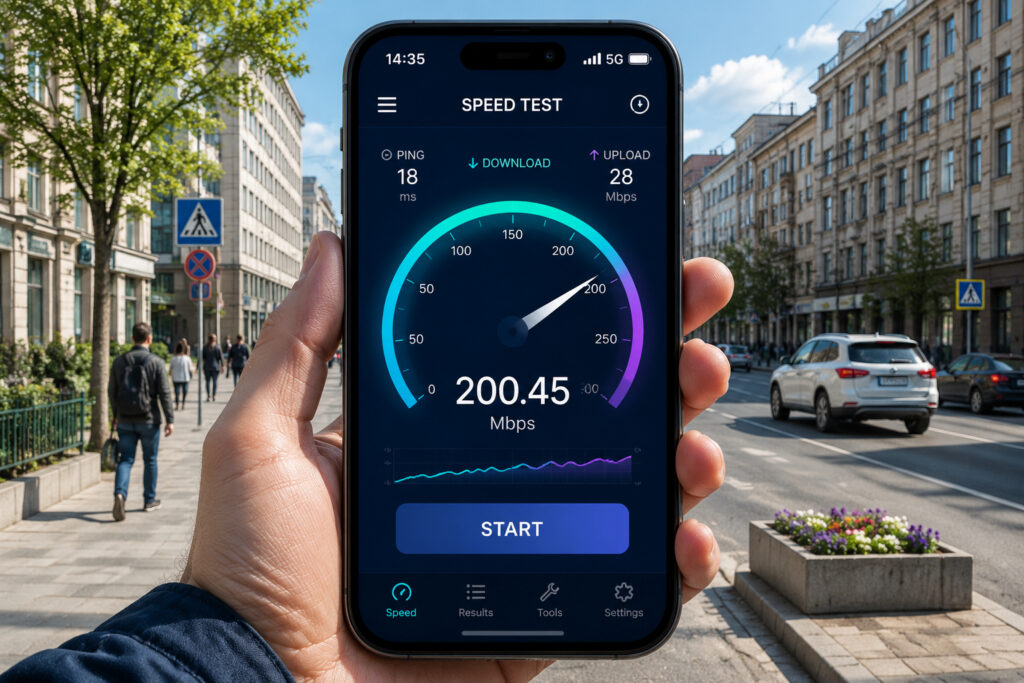
Soon 5G in Russia will become a reality
What Frequencies Were Allocated for 5G in Russia
The State Radio Frequency Commission (GRFC) plans to allocate the 4.63–4.99 GHz band for 5G to four major carriers — MTS, MegaFon, Beeline, and T2 — by the end of June. In parallel, operators will be allowed to use frequencies that previously served 2G, 3G, and LTE networks.
This decision is often called the launch of 5G in Russia, although it’s more accurate to describe it as the allocation of frequencies for future networks. Frequencies by themselves are merely permission to operate in a certain band, not ready-made infrastructure.
5G in Russia: How Internet Speed Will Change
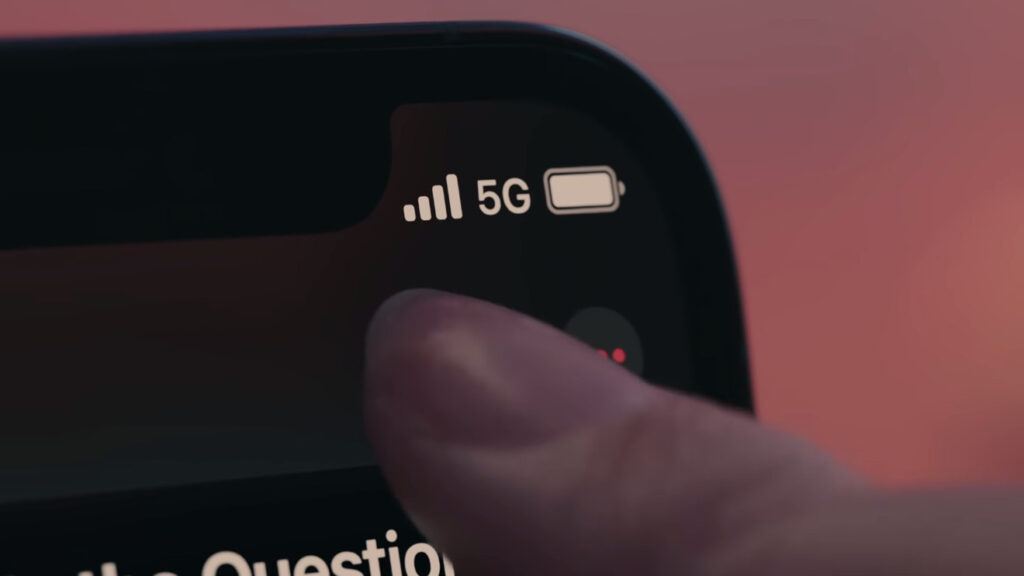
Unfortunately, having 5G doesn’t yet mean record speeds
The main nuance of this news is that frequency allocation doesn’t equal fast internet. Smartphone users may see the 5G icon next to their signal bars, but speeds will remain the same. In other words, the transition from 4G to 5G won’t affect speeds, at least initially. Where your smartphone was delivering 100 Mbps over LTE, it will deliver roughly the same.
The reason is simple — operators don’t yet have the necessary equipment for full-fledged operation of such networks. Moreover, Russia plans to launch a version of 5G that isn’t quite what we’ve been expecting — this technology has its own nuances.
For iPhone owners, this means the following: even if “5G” appears in the status bar, it won’t make loading pages, videos, or files noticeably faster. Essentially, this is more of a technical and formal step than a real improvement in connectivity here and now.
5G Launch Timeline in Russia
The GRFC project describes a phased network rollout plan. According to it:
- by the end of 2026, 5G should be operational in four regional centers
- in 2027, networks are planned to launch in 16 cities
- by 2030, the number of such cities should grow to 40
- by 2035 — up to 84 cities
This means mass 5G coverage is stretched out over years. Even if you live in a major city, real access to fast networks may not appear right away, and in smaller towns, the wait will be even longer.
What Requirements Were Introduced for 5G Equipment
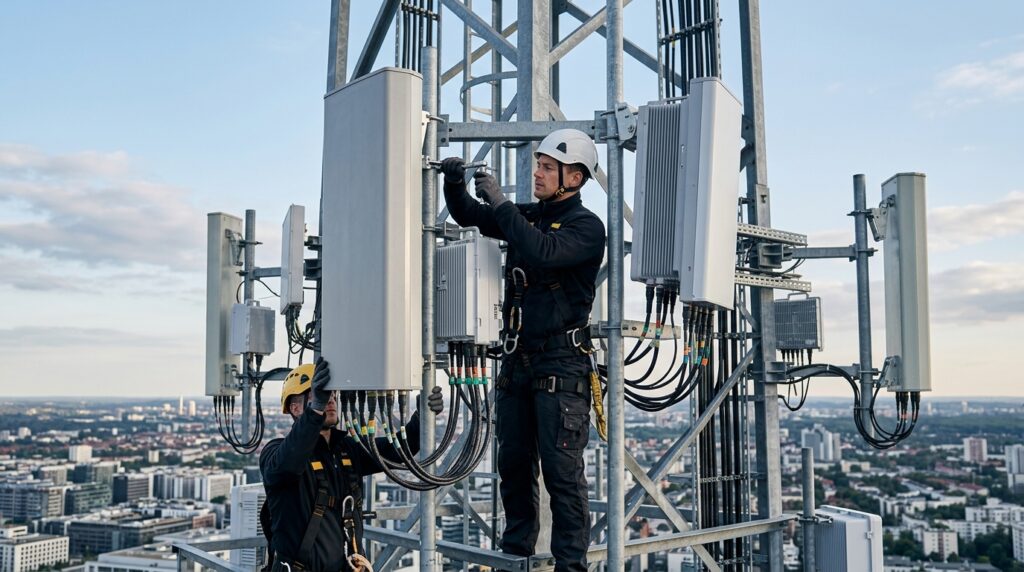
5G base station: real network speed depends on the installation of such equipment
There’s another factor affecting timelines. Operators are required to use equipment with Russian-made components, with an increasing share:
- by the end of 2027 — at least 1%
- by 2030 — at least 50%
- full transition to Russian components — by the end of 2031
Dependence on domestic equipment adds uncertainty. The stricter the requirements for local components, the more time it may take to procure and install base stations that will actually deliver speed improvements.
Will 5G Work on iPhone in Russia
For everyday use, nothing changes in the near term. The appearance of the 5G icon doesn’t equal fast internet, and real high-speed networks are a matter of years, not months. However, what will almost certainly change is the price. 5G needs funding for development, and carriers will clearly raise tariff prices. Probably not dramatically, but some increase can be safely predicted.
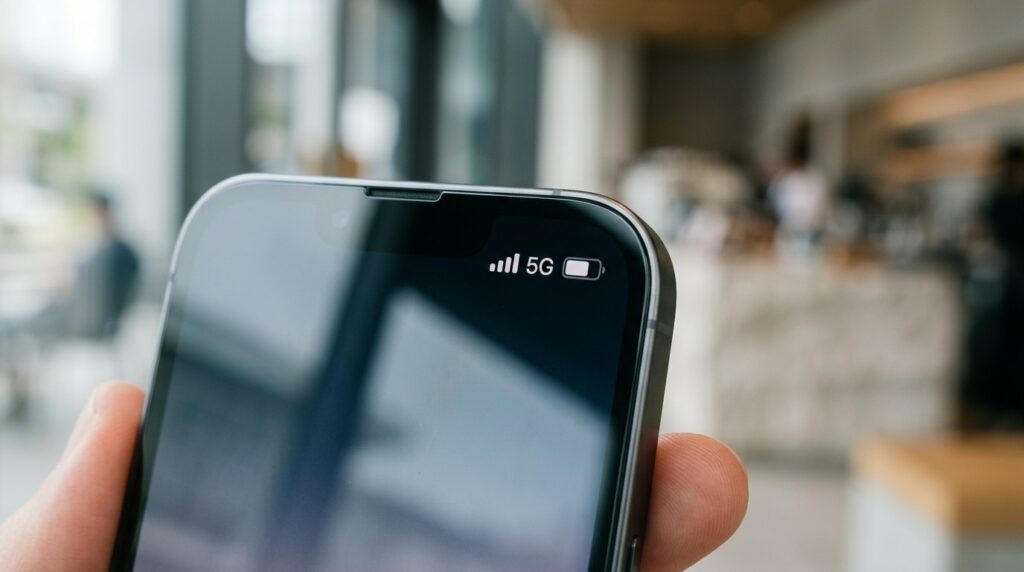
Waiting for 5G on your iPhone?
If you’re choosing a new iPhone, it’s too early to use 5G support as a deciding factor: in Russia, there’s simply nowhere for this feature to shine yet. Those living in major cities who want to know when fast networks will actually reach their region should keep an eye on this story. Everyone else can safely skip it — it won’t affect your connectivity quality right now in any way.