New 2026 smartphones cost noticeably more but offer minimal real improvements compared to their predecessors. The reason is a global shortage of RAM and flash storage, already dubbed RAMageddon. Under these conditions, last year’s flagships with big discounts look far more sensible than the latest releases. Let’s break down why this happened and which smartphone is worth buying in 2026 if you don’t want to overpay.
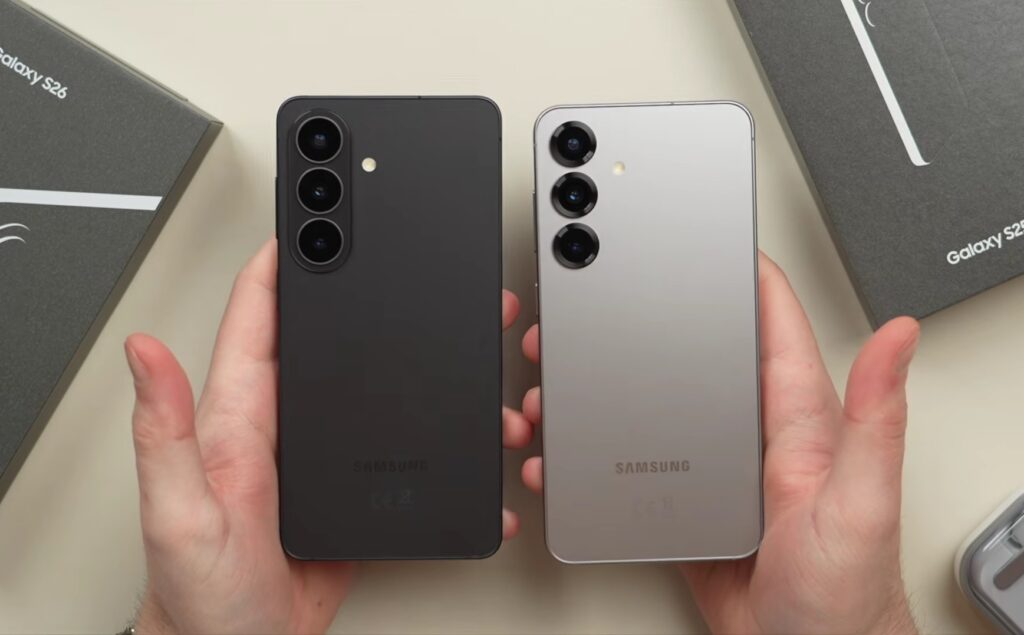
In 2026, it’s better to get last year’s flagship. Image: Dion Schuddeboom
Why New Smartphones Got More Expensive in 2026
The global shortage of memory components hit all electronics: laptops, tablets, gaming consoles, and of course, smartphones. PC and console manufacturers like Sony simply raised prices on existing devices. But in the mobile industry, the situation is trickier.
New smartphone models come out every year, and this gives manufacturers the opportunity to raise prices inconspicuously (for example, under the guise of an “updated generation”). The problem is that the update itself in 2026 is mostly cosmetic: a slightly bigger battery, a slightly faster processor, and otherwise — the same phone, just more expensive.
Galaxy S26 Price in 2026
The Galaxy S26 went up by $100 (~7,500 ₽) compared to the Galaxy S25. For this difference, the buyer gets a slightly faster processor, a bigger battery, and a larger screen. Sounds decent, until you look at the Galaxy S25 price, which is now selling for 44,000 ₽ instead of the 100,000 rubles at launch in Russia.
The difference between generations is so small that overpaying for the new model loses its meaning. If previously the price gap between last year’s flagship and the new one was about $200 (~15,000 ₽), now it has grown to $300 (~22,500 ₽) and more. At the same time, the Galaxy S25 still receives Android updates and security patches (Samsung promises seven years of support).
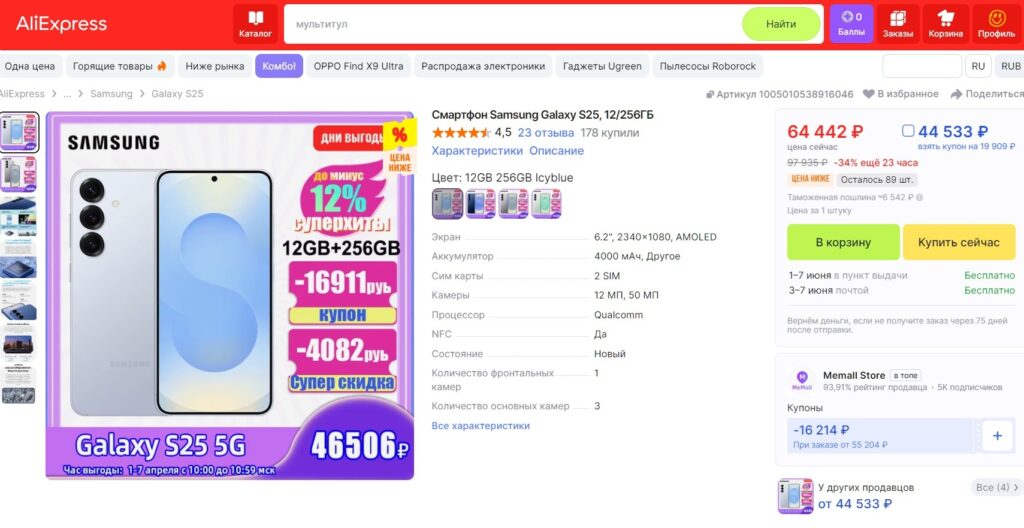
Galaxy S25 is currently an extremely good deal
A separate story involves foldable devices. Samsung kept the base Galaxy Z Fold 7 price, but raised the cost of higher-tier versions with more storage. And the Galaxy Z TriFold was pulled from sale just weeks after launch — likely to avoid raising the price on a device that already cost over $3,000 (approximately from 323,000 ₽ in Russia).
New Motorola Smartphone Prices
Motorola, according to the source, behaved the worst of all. The new Razr 2026 lineup went up by $200 with virtually zero changes — only battery capacities increased. The base model even got a downgrade in storage: 128 GB instead of 256 GB. And the top-tier Razr Ultra at $1,500 (approximately from 162,000 ₽ in Russia) lost the 1 TB option, which last year’s version is now selling for almost half price.
At the same time, Motorola raised prices on already-selling budget Moto G models — apparently so the new Moto G Stylus wouldn’t look overpriced compared to the old one. The G Stylus itself changed minimally: faster storage (UFS 3.1) and a battery 200 mAh larger. The situation is made worse by Motorola’s update policy. Even at $1,500, the company promises only three Android updates and five years of security patches. For comparison, Samsung and Google offer seven years of full support. The exception is the Razr Fold at $1,900 (approximately from 205,000 ₽ in Russia), which received a promise of seven years of updates, but with patches every two months instead of monthly.
How Long Do Android Smartphones Get Updates
Previously, the main argument for buying a new flagship was the length of update support. A newer model meant longer access to new Android versions and security patches. But since Google and Samsung switched to a seven-year support cycle, this argument has almost disappeared.
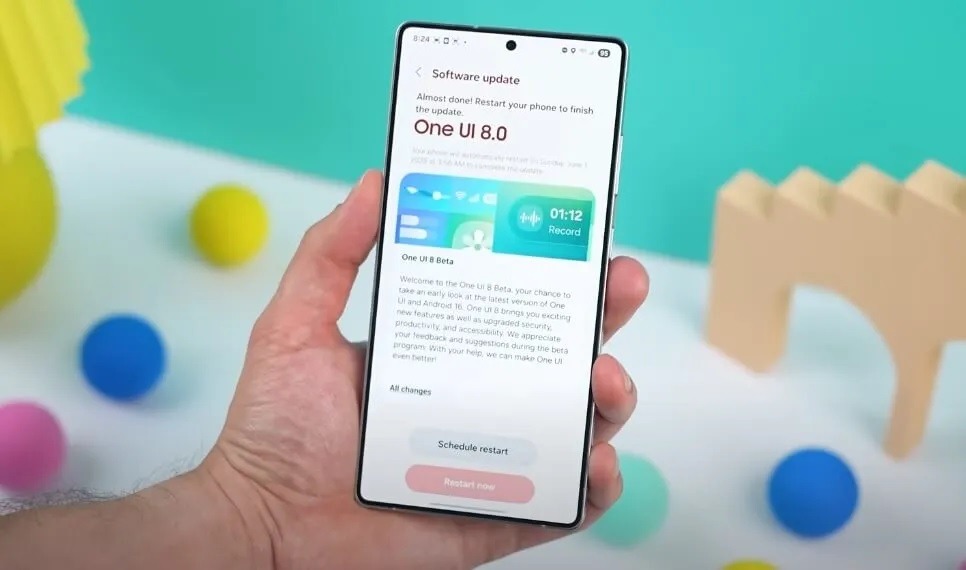
Flagships from recent years receive 7 major Android updates. Image:
The Galaxy S25 will receive updates until 2032, the Galaxy S26 — until 2033. That’s a one-year difference, and for most people it doesn’t matter. What matters more is the price gap: for last year’s discounted model, you can pay $300 less and get virtually the same user experience.
For Motorola devices, the situation is reversed. If support is already short and updates arrive with delays, why pay more for a new model? It makes more sense to save money and buy last year’s model at a discount — the update experience will be roughly equally mediocre.
Is It Worth Buying an Android Flagship in 2026
The source warns: current high smartphone prices are forming a new baseline for future discounts. That means 2027 sales will likely look like regular full prices from 2025. The component shortage is setting a new price ceiling, and a return to previous levels shouldn’t be expected. But right now there’s a window of opportunity on the market. Last year’s flagships are still selling at prices formed before RAMageddon. When those stocks run out, there will be fewer good deals.
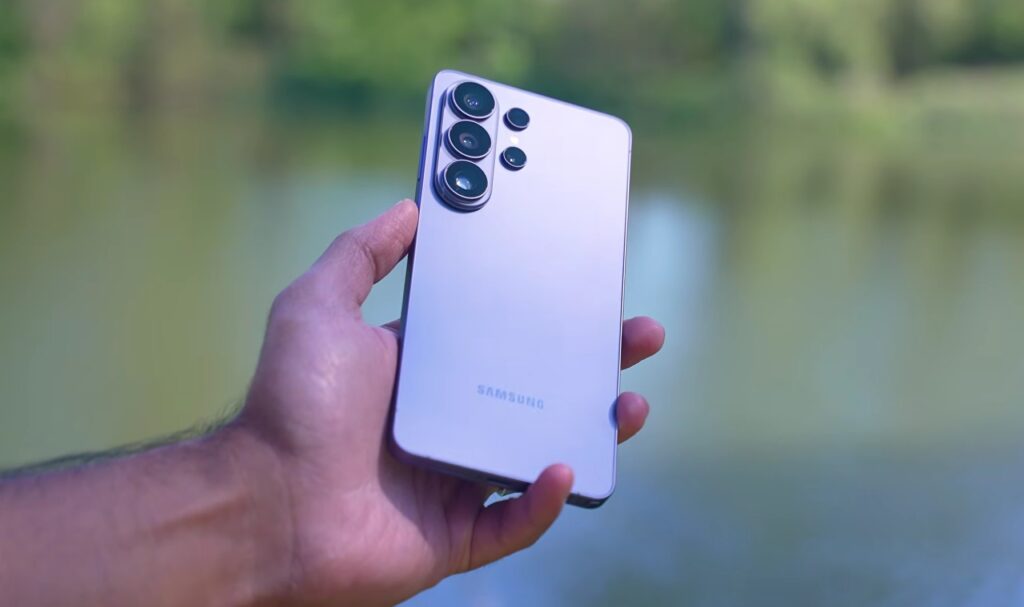
You can buy a flagship. The question is — which one. Image: SuperSaf
Here’s what to pay attention to when choosing a new device under current conditions:
- Compare not just the new model with its predecessor, but their actual prices in stores. Last year’s flagship is cheaper with minimal differences from the new device.
- Consider the support period. Samsung and Google offer seven years of updates, meaning the difference between generations is just one year. Motorola’s support is significantly shorter, and that’s a reason to think twice about overpaying for the new model.
- Don’t chase the “latest model” just for the sake of it. In 2026, the difference between generations is at a record low — bigger batteries and slightly faster processors aren’t worth a 15–20% markup.
- Watch for sales on last year’s models. Current discounts still reflect older, lower component purchase prices, and such offers are limited.