Like it or not, the national messenger has its advantages. I wrote about them honestly when I broke down what makes the MAX messenger better than Telegram. Digital ID, doctor appointments, Sferum, unrestricted operation. All of this is genuinely important. But the drawbacks overshadow these advantages so much that every time I open the MAX app, I find myself asking: why was this even made this way? I’m breaking it down with facts, no emotions — well, almost.
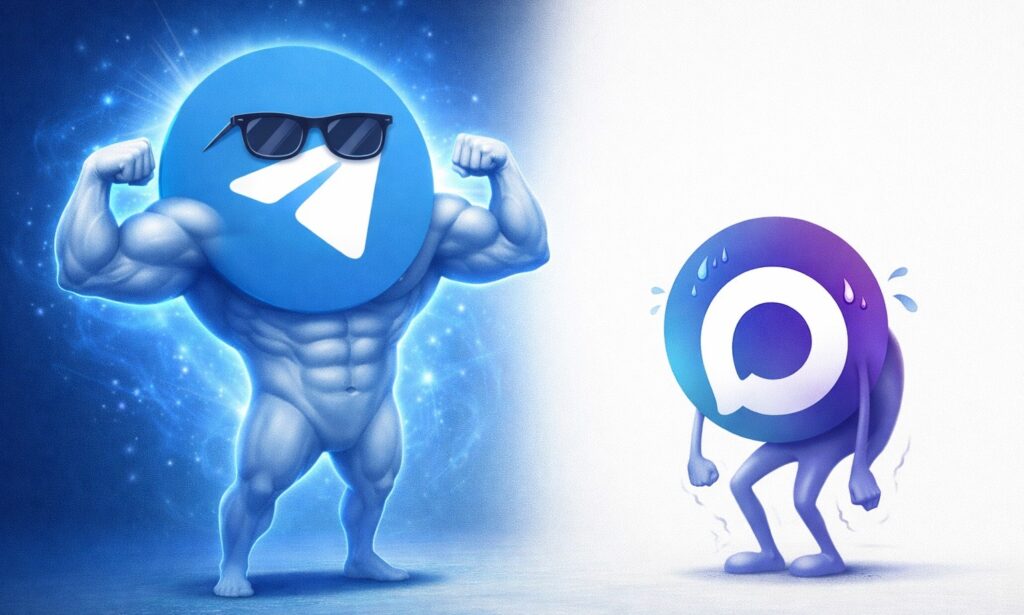
Telegram is much cooler than MAX even after the ban
The Difference Between MAX and Telegram
On the surface, both are messengers. Chats, channels, messages. But under the hood, these are fundamentally different products with different goals. Telegram was created by Pavel Durov’s independent team. The main priority is confidentiality and freedom from external pressure. Durov has refused to cooperate with authorities of various countries for years, which is why Telegram was blocked in Russia.
The MAX messenger was created based on federal law. This isn’t an enthusiast startup — it’s a government project that by definition cannot conflict with the interests of the authorities. MAX instead of Telegram is promoted precisely because Durov’s project refuses to play by Russian rules, while the national messenger accepted them from the start. This isn’t a value judgment. These are simply different models. The question is what matters more to a specific user.
MAX Messenger Features
Honestly about the pros: Digital ID on your phone — convenient. Integration with Gosuslugi (Government Services) — useful. Sferum for schoolchildren — needed. Booking a doctor’s appointment right from the messenger — that’s something Telegram doesn’t have and never will.
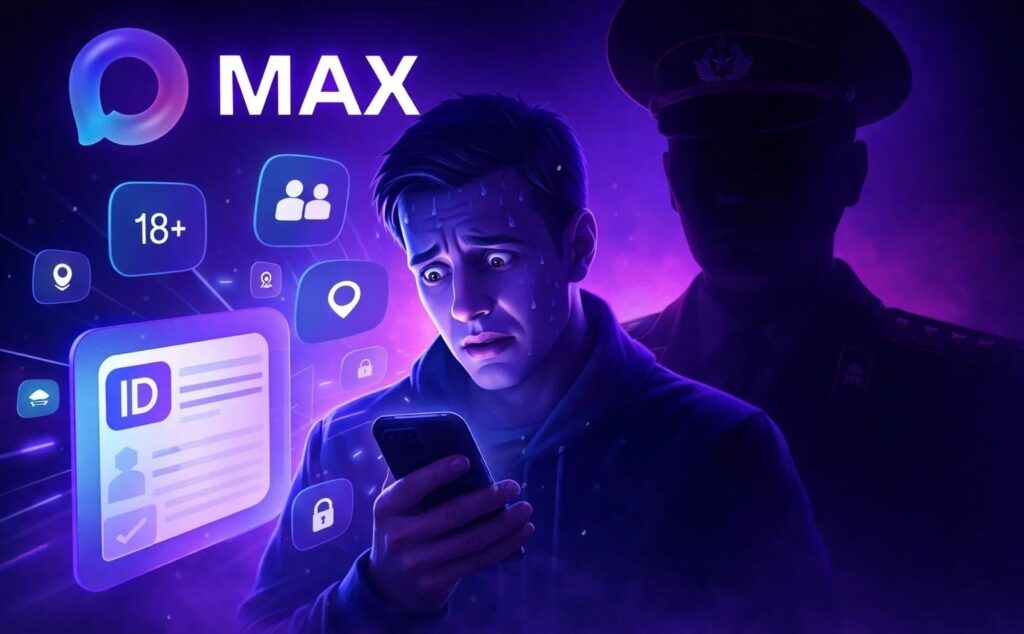
I already created a Digital ID, but at what cost…
But this doesn’t make the MAX app a full replacement for Telegram. The Russian messenger’s features are so limited that the list of what’s missing ends up longer than the list of what’s there:
- no proper channel search (finding something new through search is virtually impossible);
- practically no bots (the entire Telegram bot ecosystem for tasks, purchases, and services is simply absent);
- no chat folders (all conversations in one pile);
- no multiple accounts in one app;
- no custom themes;
- no editing messages after a long time;
- no full notification management by category.
Channels in MAX exist, chats exist — basic functionality works. But everything that made Telegram a convenient tool for daily work is either absent in MAX or implemented worse. Channels from Telegram to MAX are migrating out of necessity, not because it’s better there.
How the MAX Messenger Works
MAX has existed for over a year. In that time, the interface could have been polished, bugs removed, and stability established. But every time you open the app, it feels like you’re looking at a beta version of a third-party Telegram client that was rolled out too early.
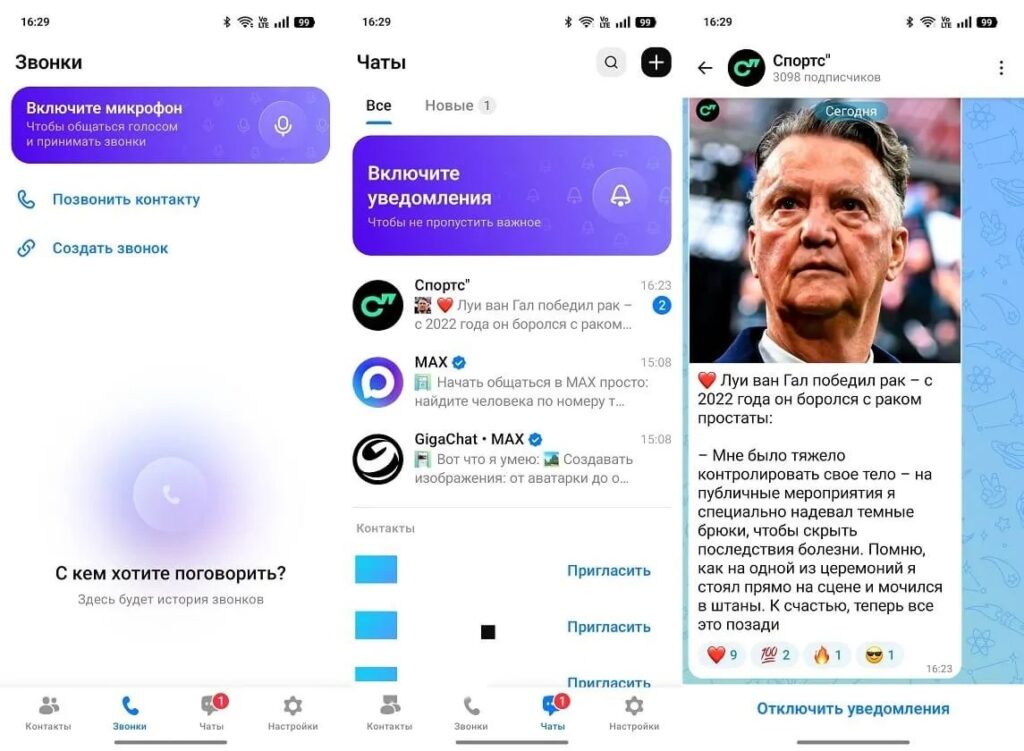
It all looks very similar, but works much worse
Specific complaints:
- Janky animations. Transitions between screens stutter, opening chats lags, scrolling through contacts isn’t smooth. Compared to how Telegram works, this is immediately noticeable.
- No haptic feedback. Basic tactile feedback when pressing buttons is absent. A small thing, but it’s exactly these small things that distinguish a finished product from a rough draft.
- Crashes happen regularly. And not just for me. Complaints about MAX’s unstable performance are systemic. And this is despite the fact that the national messenger doesn’t have blocking issues, unlike Telegram. The server infrastructure is government-backed, there are enough resources, but the app still crashes.
- The interface is overloaded. Government services, Digital ID, Sferum — all of this is added on top of the messenger and visually feels exactly like an add-on rather than a thought-out part of the product.
These aren’t nitpicks for the sake of nitpicking. This is a product used by over 100 million people that still looks less polished than Telegram did in 2015.
How Secure Is MAX
In short: not very. And this isn’t speculation. It’s a consequence of how the messenger is built by law. MAX security is fundamentally limited. There’s no end-to-end encryption in private conversations, unlike Telegram’s secret chats. This means the content of your messages is technically accessible to the server. Additionally, MAX is legally obligated to hand over user data upon request from law enforcement. This isn’t a vulnerability — it’s an architectural decision built in from the start.
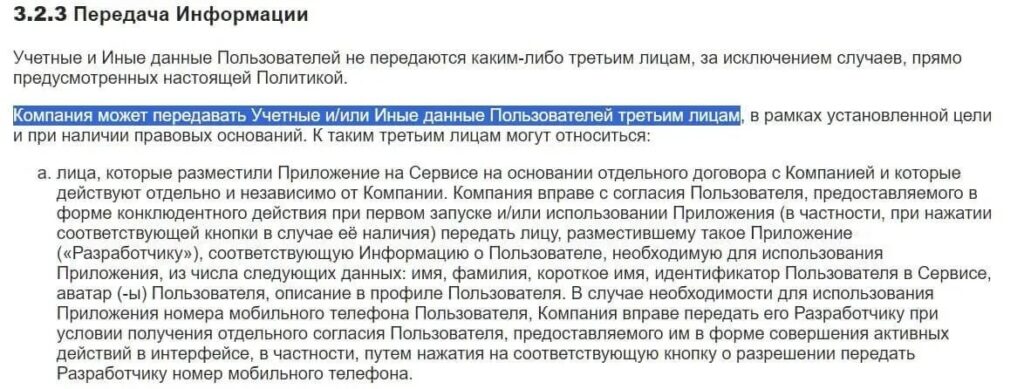
MAX proudly states it shares data with third parties. Source: legal.max.ru
Researchers from RKS Global analyzed MAX’s code and found that the app tracks whether you’re using a VPN and transmits this information to servers. The code includes SDKs from VK with telemetry that collects data about user behavior.
The differences between MAX and Telegram in terms of security are fundamental: Durov’s project was built around the idea of data protection, while the national messenger is built around the idea of compliance with Russian legislation. These are two incompatible priorities.
Is It Worth Using MAX in 2026
Like it or not, you’ll have to. The Telegram ban in Russia did its job: MAX’s audience has surpassed 100 million, and most work chats, school groups, and government services have moved there. Ignoring MAX in 2026 means dropping out of a significant portion of communication.