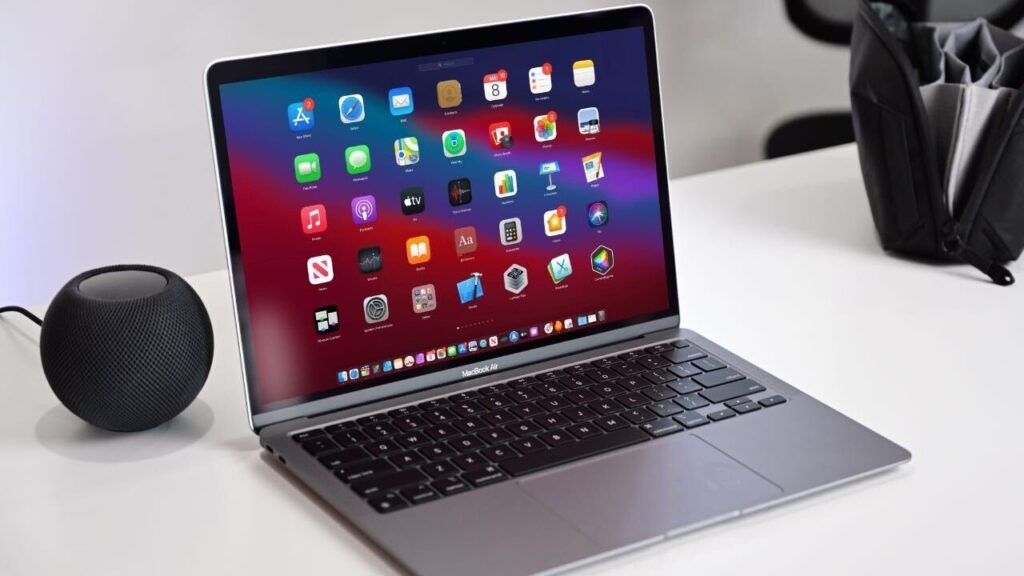
There are only a few days left until WWDC 2026, and most of the new iOS 27 features have already leaked online. But along with fresh capabilities, every fall comes a sad tradition: some devices are left on the old version forever. This year, the list of devices being dropped is particularly notable, and if you’re holding an iPhone 11 or working on a Mac with an Intel processor, this article is for you.
Let’s see which Apple devices will update to the new OS
Apple has supported older devices longer than competitors for years. But sooner or later, new features require more powerful hardware — and that’s when the oldest models are retired. Let’s note right away: the lists for iPhone and iPad are still based on leaks and calculations, while the Mac list is already official. Let’s go through them in order.
iPhones That Will Update to iOS 27
According to Chinese insider Instant Digital from Weibo, who published a full list of compatible models, four smartphones will be left without iOS 27:
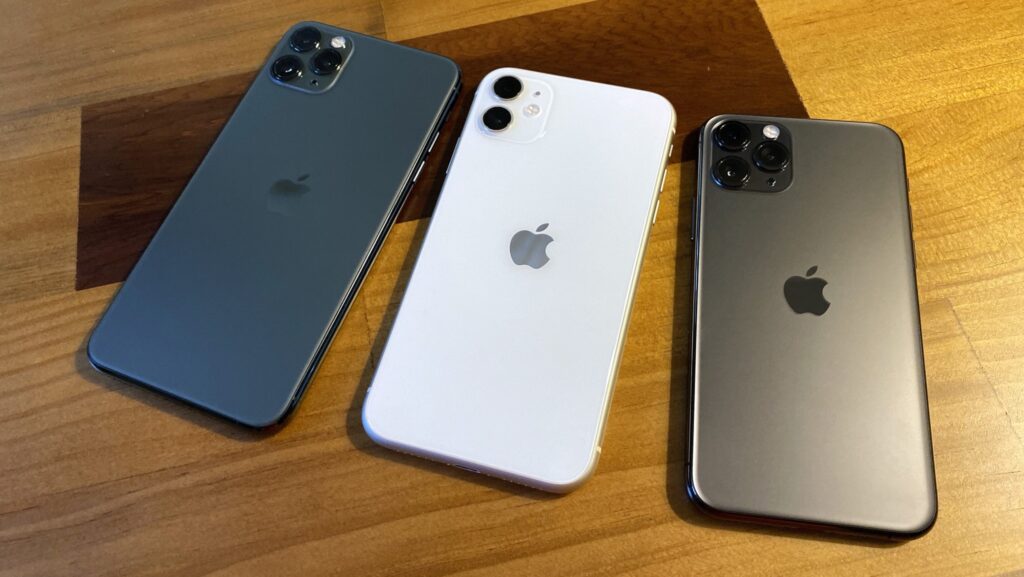
The iPhone 11 lineup is being left behind. It’s about time
- iPhone 11 Pro Max
- iPhone 11 Pro
- iPhone 11
- iPhone SE (2nd generation)
The logic is obvious: all four devices are built on the A13 Bionic chip, which debuted back in 2019. A year ago, iOS 26 already said goodbye to the iPhone XR, XS, and XS Max — now it’s the next generation’s turn. It’s important to remember that this is still just a leak, and Apple will announce the final list at the presentation.
Thus, the list of supported devices looks like this:
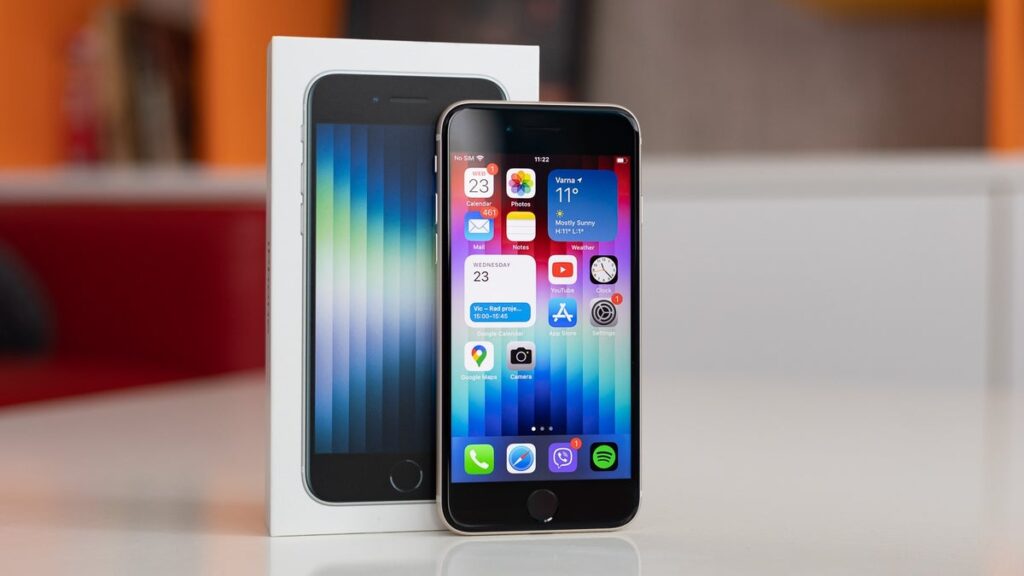
iPhone SE 3 will be the last iPhone with a Home button to receive the update
- iPhone Air
- iPhone 17, 17 Pro, 17 Pro Max
- iPhone 16e, 17e
- iPhone 16, 16 Plus, 16 Pro, 16 Pro Max
- iPhone 15, 15 Plus, 15 Pro, 15 Pro Max
- iPhone 14, 14 Plus, 14 Pro, 14 Pro Max
- iPhone SE (3rd generation)
- iPhone 13, 13 mini, 13 Pro, 13 Pro Max
- iPhone 12, 12 mini, 12 Pro, 12 Pro Max
Even if your smartphone is on the list, there’s plenty of reason to update. On iPhone, for example, multitasking like on iPad will finally arrive — two apps on one screen simultaneously.
List of iPads with iPadOS 27 Support
There haven’t been separate leaks for tablets yet, so the list below is our forecast, built by analogy with iPhone. If Apple does indeed cut off another generation, the following will be affected:
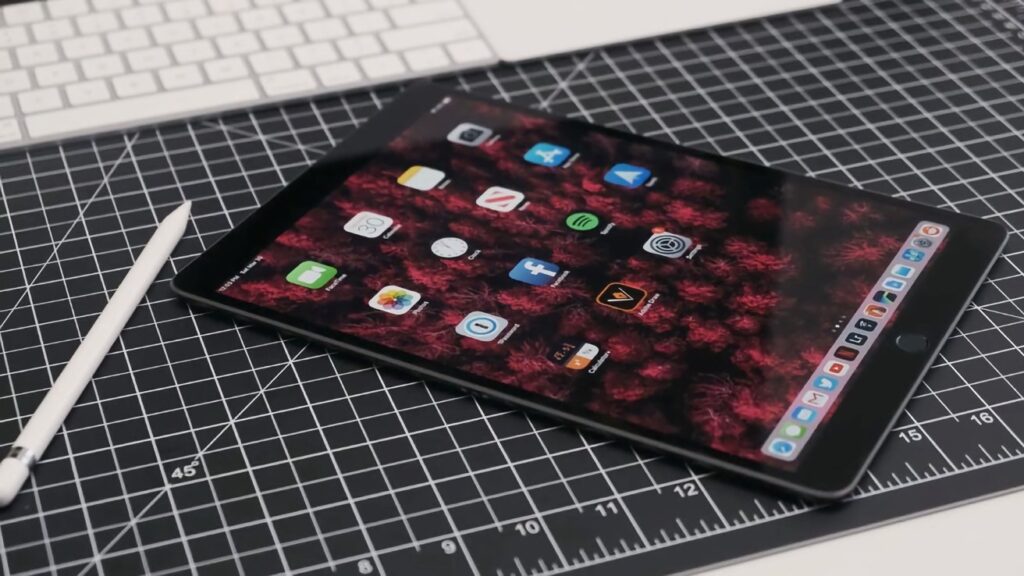
The old iPad Air 3 is also being retired
- iPad (8th generation)
- iPad Air 3
- iPad mini 5
All three have the A12 Bionic chip inside — a generation that Apple is gradually phasing out in new firmware. So if these models do lose support, it shouldn’t come as a surprise.
Thus, the list of supported devices looks like this:
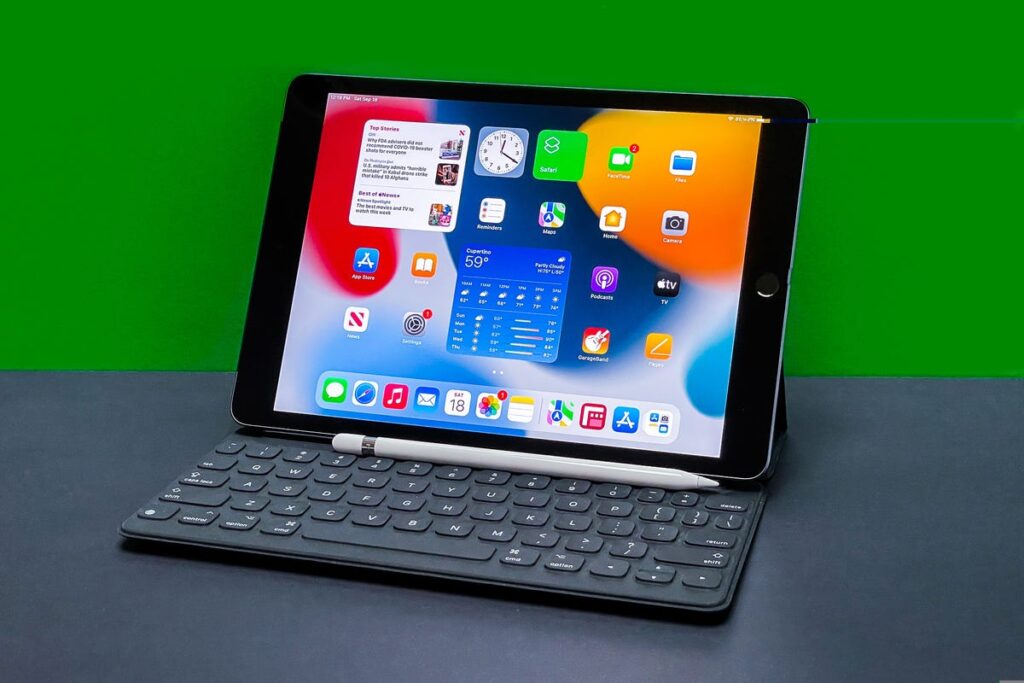
iPad 9 will be the last iPad with Touch ID on the new OS
- iPad Pro 11-inch (1st generation, 2018)
- iPad Pro 12.9-inch (3rd generation, 2018)
- iPad Pro 11-inch (2nd generation, 2020)
- iPad Pro 12.9-inch (4th generation, 2020)
- iPad Pro 11-inch (3rd generation, M1, 2021)
- iPad Pro 12.9-inch (5th generation, M1, 2021)
- iPad Pro 11-inch (4th generation, M2, 2022)
- iPad Pro 12.9-inch (6th generation, M2, 2022)
- iPad Pro 11 and 13-inch (M4, 2024)
- iPad Pro 11 and 13-inch (M5, 2025)
- iPad Air (4th generation, 2020)
- iPad Air (5th generation, M1, 2022)
- iPad Air 11 and 13-inch (M2, 2024)
- iPad Air 11 and 13-inch (M3, 2025)
- iPad Air 11 and 13-inch (M4, 2026)
- iPad (9th generation, 2021)
- iPad (10th generation, 2022)
- iPad (A16, 11th generation, 2025)
- iPad mini (6th generation, 2021)
- iPad mini (A17 Pro, 7th generation, 2024)
Separately, keep in mind the 2018 iPad Pro: it runs on the A12X chip — a close relative of that same A12 that Apple is phasing out. Essentially, this generation is in the same boat as the tablets being dropped, which is why the 2018 Pro is the most likely candidate for removal if the company draws the line strictly based on hardware.
Which Macs Will Update to macOS 27
Here there’s no guesswork — Apple confirmed everything itself. Back in June 2025, the company explained in detail why it’s abandoning Intel processors. The four last Intel computers that still have access to macOS 26 will go no further:

The last iMac in the classic design won’t receive the latest update
- MacBook Pro (16-inch, 2019)
- MacBook Pro (13-inch, 2020, four Thunderbolt 3 ports)
- iMac (2020)
- Mac Pro (2019)
macOS 26 Tahoe became the last version with Intel support. Now macOS 27 will run only on Apple Silicon — this is the logical conclusion of the transition that began in 2020 with the M1 chip. If you have one of these Macs, there’s no need to panic just yet: the computer will continue to work and will receive security updates for some time.
Thus, the list of supported devices looks like this: