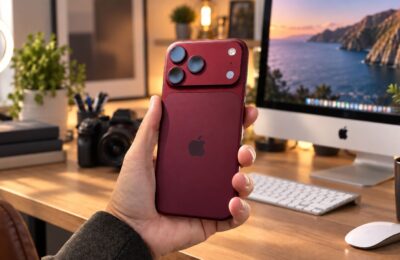
Every time Apple reveals new iPhone colors, social media explodes with excitement. Orange, blue, purple — you want to grab the brightest one and stand out. But after a couple of months, a completely different story begins: the paint peels off, the body fades, and every scratch catches the eye. I recently talked about how a case ruined my iPhone 16 Plus, and now I’ve decided to reflect on the practicality of buying colorful iPhones and even chose the most practical color just for you.
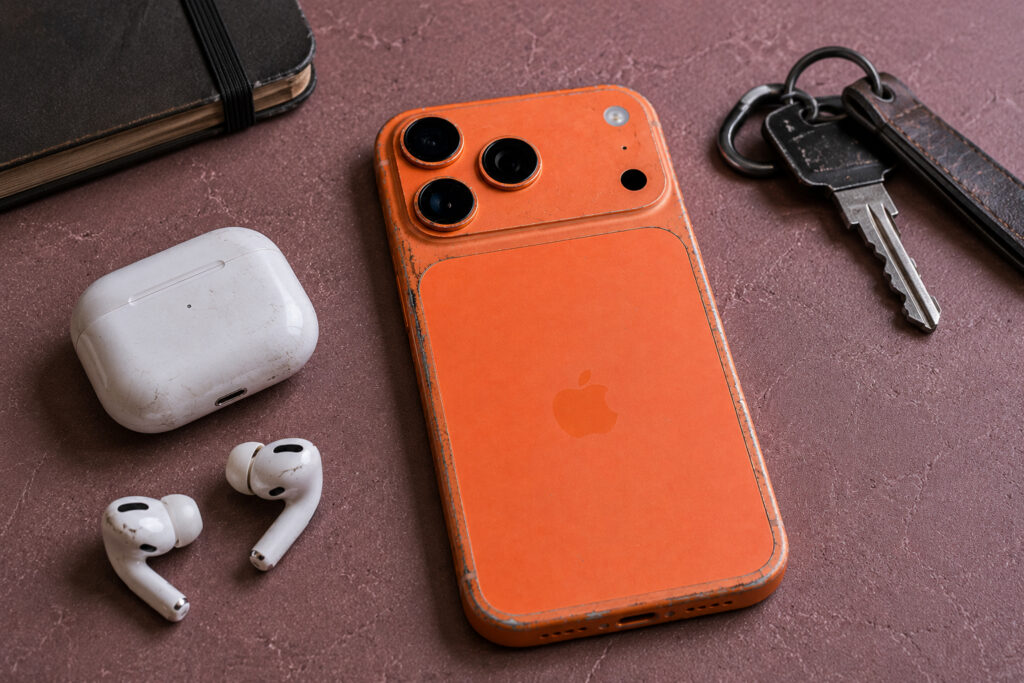
Wear is more noticeable on a colorful iPhone
Problems with iPhone 17 Pro Color After Purchase
When Apple introduced the iPhone 17 Pro in Cosmic Orange in 2025, it was a real event. The bright orange shade appeared in the Pro lineup for the first time, and everyone rushed to buy it. But the joy was short-lived. Just a few weeks after sales began, photos started appearing on Reddit and TikTok showing the orange body turning pink. It was specifically the aluminum that changed — the edges, the frame around the cameras, the buttons. The glass back panel retained its original color, which looked even stranger.
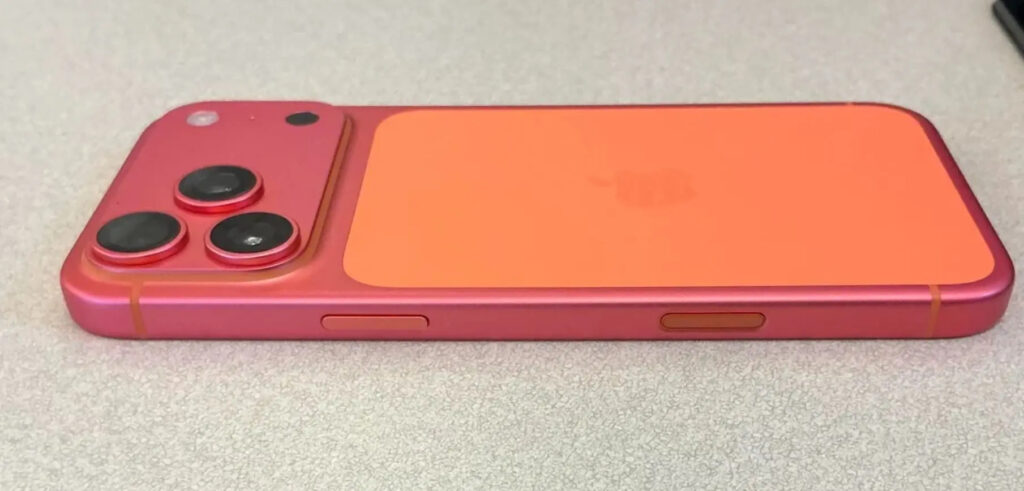
First the orange started to fade
The problem was quickly dubbed Colorgate. Users claimed they hadn’t done anything special with the smartphone — they just carried it in their pocket and used it as usual. Experts linked the fading to the effect of ultraviolet light on organic dyes used in aluminum anodization. The orange pigment turned out to be unstable under sunlight, and just a couple of weeks of active outdoor use was enough for the body to start changing shade. The problem affected not only the orange but also the Deep Blue version, although changes were less noticeable on it.
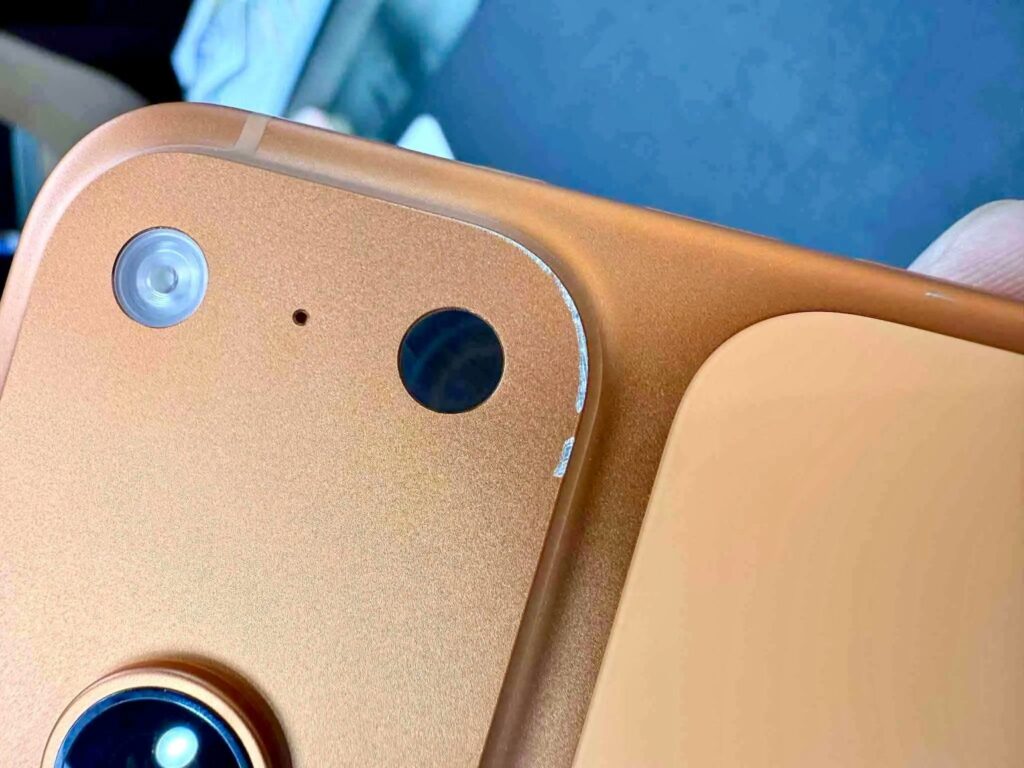
Then scratches like these appeared
But fading was only half the trouble. A second scandal erupted in parallel — Scratchgate. Specialists from iFixit examined the iPhone 17 Pro body under a microscope and found that the anodized coating easily chips off on sharp edges, exposing the shiny silver aluminum underneath. Independent tests confirmed this: problems began at level 6-7 on the Mohs scale. In everyday terms — the body got scratched from contact with sand and even regular keys in a pocket. In a Hong Kong Apple Store, demo blue iPhone 17 Pro units became covered in scratches within just a few hours, and Apple had to make excuses for Scratchgate.
Apple tried to explain some of the issues as material transfer from worn MagSafe stands in stores. But user experience told a different story: colorful iPhone 17 Pro models turned out to be more vulnerable than their predecessors with titanium bodies.
Which iPhone Shows Scratches Less
Simple physics is at work here. When you scratch colored anodized aluminum, you remove a thin layer of paint and expose the metal underneath. And the metal under the coating is always the same color — silver. On an orange, blue, or purple body, such a scratch creates maximum contrast. A bright surface and a silver streak — it’s like a white thread on a black jacket, impossible to miss.
I experienced this firsthand. My iPhone 16 Plus in purple got a scratch on the side edge, even though it was always in a case. A tiny piece of debris got between the case and the body and worked like an abrasive with every touch. On the purple background, the damage was instantly visible — a small dot that now catches my eye every day.
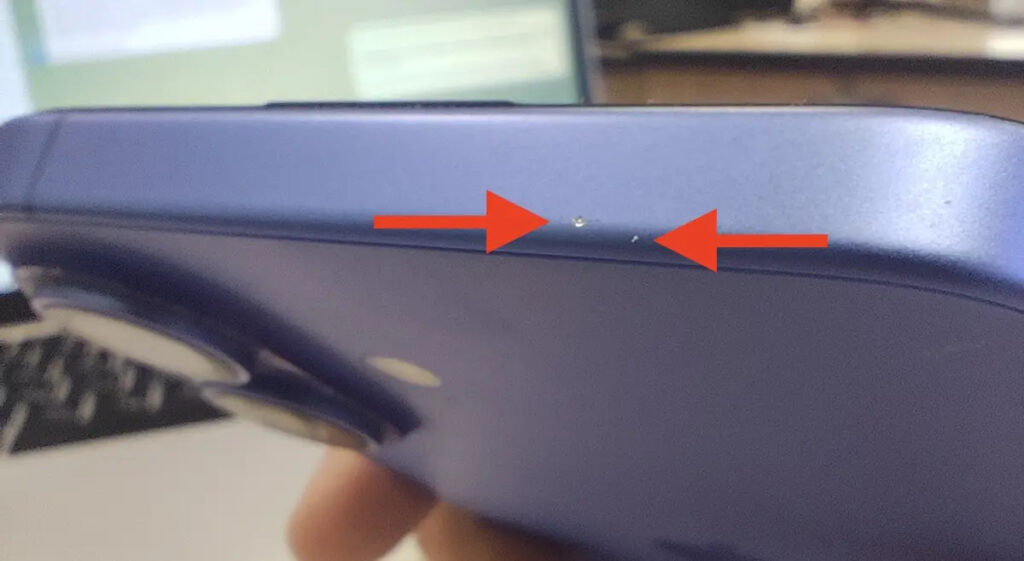
I also caught a flaw on my ultramarine 16 Plus and now I’m sad about it
Now imagine that same scratch on a silver body. Under the silver coating — the same silver aluminum. Even if the coating gets damaged, the contrast will be minimal. The scratch simply blends in with the overall tone of the body, and without close inspection, you won’t notice it. The same goes for scuffs, micro-chips, and marks from keys. On a silver model, all of this is practically invisible, while on a colored one — it’s right there in plain sight.
By the way, it turned out that the aluminum body can be restored almost like a car after an accident. But matching a complex shade like purple or orange during repair will be extremely difficult. With silver, there’s no such problem.
Downsides of Bright iPhone Colors During Use
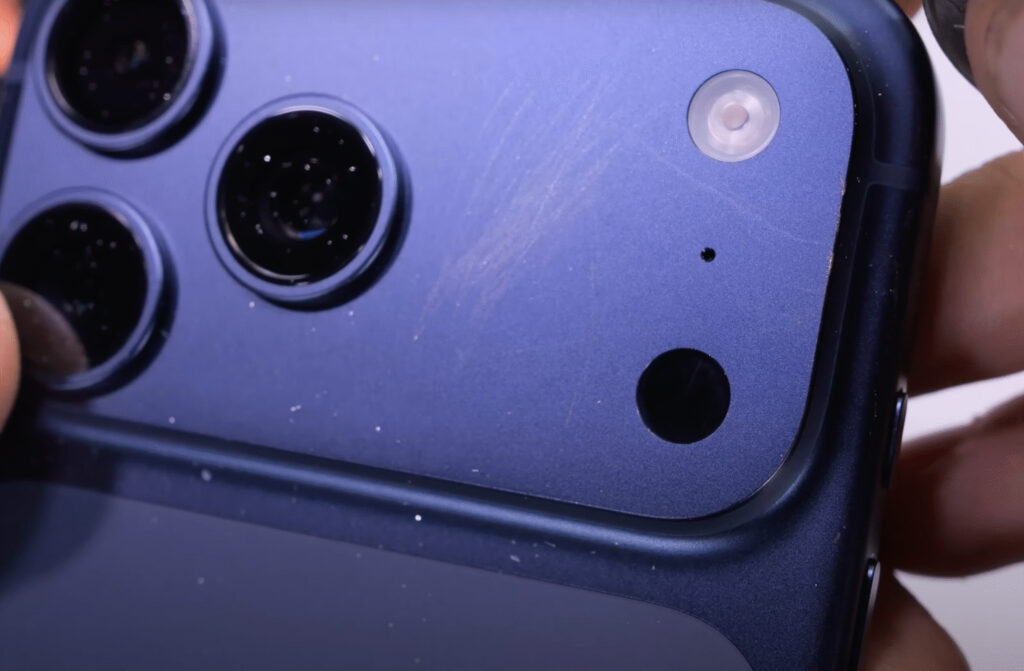
These aren’t scratches, it’s dirt. You can wipe it off, but it really catches the eye
Besides scratches and fading, colorful iPhones have several other non-obvious downsides that are rarely discussed.
First — fingerprints. On rich dark and bright finishes, oily smudges are far more visible than on a light silver body. If you use your iPhone without a case, a dark blue or black smartphone will need constant wiping to look neat. Silver is much less demanding in this regard.
Second — difficulty of restoration. If you do seriously damage the body of a colorful iPhone, matching the exact shade during repair will be extremely difficult. Purple, orange, green — all these colors are achieved through complex anodization with specific pigments. At a service center, they’ll most likely replace the part with a new one, and it may slightly differ in tone from the rest of the body. With silver, there’s no such problem — it’s the base color of aluminum.
Third — loss of value at resale. When you sell a used iPhone, the buyer first looks at the appearance. A colorful body with noticeable scratches and scuffs looks significantly worse than a silver one with the same damage. This means you’ll either have to lower the price or spend longer finding a buyer.
Which iPhone Color Looks New the Longest
Many consider silver a boring choice. Why get the “plain” one when there are so many bright options? But let’s look at it from a different angle. The silver iPhone 17 Pro is the only version that doesn’t suffer from fading. There’s nothing to fade: the base aluminum shade doesn’t contain unstable pigments that break down.