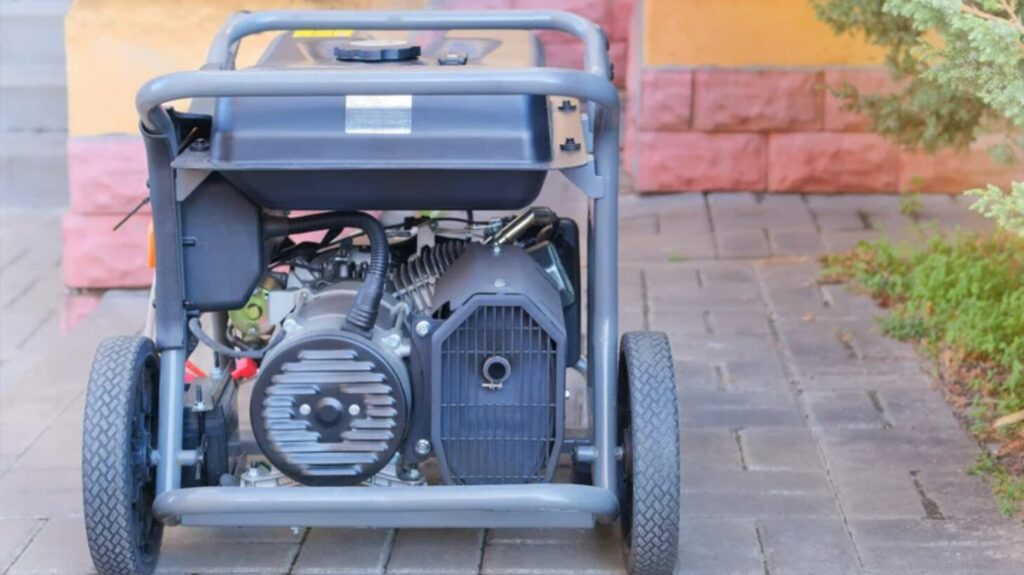
5 things you should never plug into a generator.
When the power goes out at home, a generator seems like a real lifesaver. You want to plug literally everything into it — from the refrigerator to the washing machine. But a portable generator is not a replacement for the power grid, and some appliances are simply dangerous to connect to it. Here’s what you should be especially careful about.
Can You Charge a Phone and Laptop From a Generator
A generator is an emergency solution. It’s designed to meet minimal needs, not to reproduce all the comfort you’re used to. If you don’t account for its limitations, you can damage both your devices and the generator itself, and in the worst case — cause a fire.
The first thing that comes to mind when the power goes out is to charge your phone and turn on the TV. But it’s precisely these kinds of devices that a portable generator gets along with the worst. Smartphones, tablets, laptops, gaming consoles — any electronics with a circuit board require stable, “clean” electricity. A regular gasoline generator produces so-called “dirty power”: the voltage surges and dips along with engine RPM.
For a light bulb or a fan, such fluctuations aren’t a problem, but for microchips — they’re critical. Voltage spikes can damage board components, shorten the device’s lifespan, or destroy it immediately. Plugging a smartphone or laptop directly into a generator is a gamble.

Portable generators are not always compatible with electronics.
If you can’t do without a phone or laptop, you still shouldn’t take the risk. The most reliable option is to use an inverter generator, which produces stable power with a “pure sine wave,” safe even for the most sensitive devices. Additional protection for your electronics can be provided by a quality surge protector or an uninterruptible power supply (UPS), which offer protection against voltage spikes.
Which Household Appliances Overload a Generator the Fastest: Oven, Washing Machine, Dryer
Ovens, washing machines, dryers, full-size refrigerators — all of these appliances consume enormous amounts of energy. The moment of startup is especially dangerous: the starting current can be many times higher than the operating current. For example, a refrigerator draws far more watts when the compressor kicks in than during normal operation. For a small portable generator, such a surge is a serious challenge.
If the load exceeds the generator’s capacity, the voltage drops or the unit simply shuts off. In the worst case, overloading will cause the windings to overheat and the generator to fail. Connecting multiple large appliances to a single generator simultaneously is almost a guaranteed overload.
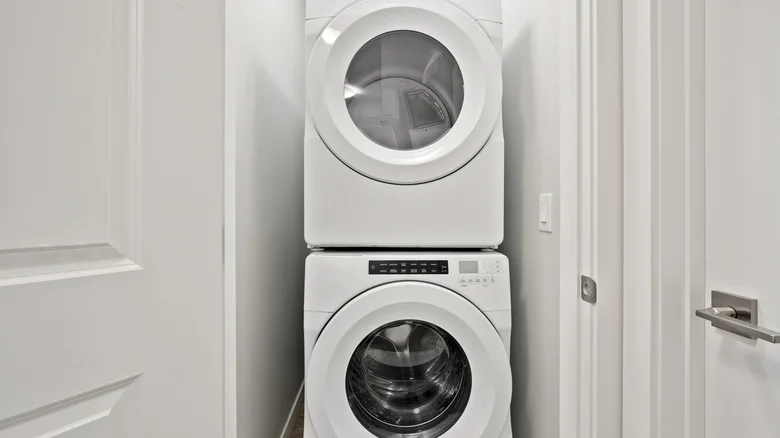
The main rule — don’t connect major household appliances to a generator: ovens, washing machines, dryers, and refrigerators consume far more energy than many generators can safely deliver.
Before turning on any high-power appliance, check the generator’s rated power output and compare it with the power consumption of the device (usually listed on the back panel or in the manual). Some generators can handle one large appliance, but never assume this by default — always check the manufacturer’s recommendations.
Can You Run a Space Heater From a Generator During a Power Outage
During a winter power outage, the instinct is to turn on a heater. The problem is that appliances with heating elements consume enormous power, especially at startup. This sudden energy “surge” can overload the generator and cause it to shut down.
But there’s an even more serious issue. Heating elements operate at high temperatures and need stable power to avoid overheating. If the voltage from the generator fluctuates, the heater can overheat or, worse, become a fire hazard. The combination of unstable power and a red-hot appliance is a dangerous mix.

Space heaters consume a lot of energy and require stable current — they are poorly compatible with portable generators.
If you absolutely cannot do without a heater, be sure to check the generator’s manual and never leave a heating appliance running unattended. At the first signs of overheating — disconnect immediately.
Can You Connect a Well Pump to a Generator
In private homes with their own well, a power outage also raises the question of water supply. It would seem that a generator is the ideal solution. But a well pump draws an enormous starting current at startup, needed to push the water through. This brief surge can overload the generator, causing it to stall or shut off.
After startup, the pump needs stable, steady power to maintain pressure. A generator, especially a low-power one, can’t always provide this — voltage fluctuations can cause the pump to shut off or its motor to overheat. Replacing a well pump is not cheap, and you’ll be left without water even longer than without electricity.
If you need the pump regularly, it’s better to select a generator with a good power margin in advance. And don’t connect other appliances to it at the same time — this usually ends in overload.
Why You Shouldn’t Connect a Generator Through a Cheap Extension Cord or Power Strip
This point is easy to overlook. The generator is outside, but you need outlets inside the house — so an extension cord seems necessary. But a cheap extension cord with thin wires and flimsy contacts can become the weakest link in the entire chain.
Thin wiring is not designed for serious loads. Under load, the wire heats up (if you notice a burning plastic smell, it’s no longer a minor issue — it’s a reason to disconnect everything immediately), the insulation melts, and the contacts start sparking. This is exactly how fires start — not from the generator itself, but from what’s connected to it. Low-quality extension cords can’t handle the constant power fluctuations typical of generators.
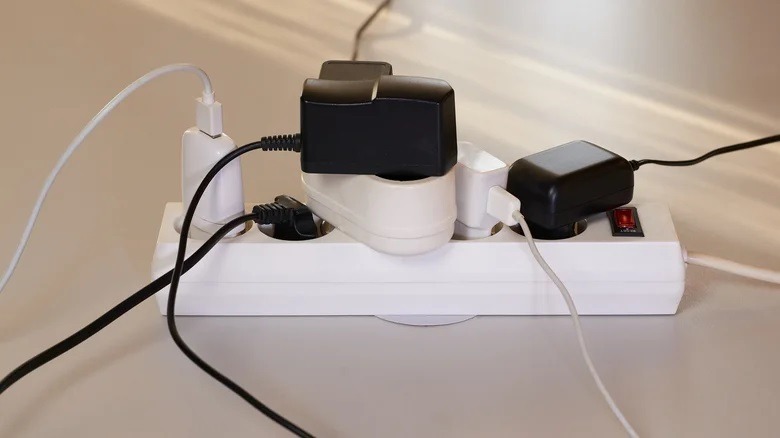
Cheap extension cords with thin wires can’t handle the load from a generator and may melt.
To avoid problems, follow a few rules:
- Use only extension cords rated for outdoor use if the generator is placed outside
- Choose cables with sufficient wire gauge — the thicker, the better
- Use quality surge protectors designed for the appropriate load