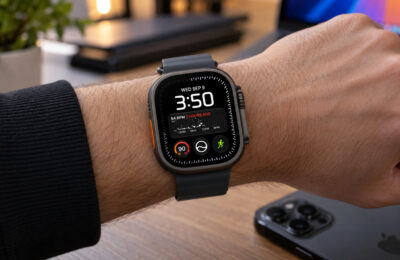
Bloomberg columnist Mark Gurman claims in his column that the Apple Watch lineup has slowed down, and users are increasingly choosing Whoop bands, Oura rings, and the new Fitbit Air from Google. Apple itself understands this and is discussing how to expand its wearable device lineup. This isn’t an announcement or a leak about a specific product, but rather analysis — yet it helps understand where the market is headed and whether Apple Watch owners should expect changes. While we await new Apple Watch models that the company will unveil in September alongside the iPhone 18 Pro, now is the perfect time to examine the situation.
People are increasingly choosing not Apple Watch, but other gadgets more focused on health metrics
What’s Happening with Apple Watch Sales and Competitors
Apple Watch has been produced since 2015, and during that time it changed the smartwatch market: it made health sensors a mandatory part of such devices and brought OLED screens to a niche that was previously considered experimental. According to Bloomberg’s estimates, total Apple Watch revenue is approximately $100 billion.
But over 11 years, the lineup’s development has slowed down. The watches have started losing relevance: buyers are increasingly abandoning devices with large screens in favor of bands and rings that last longer on a single charge and collect more health data.
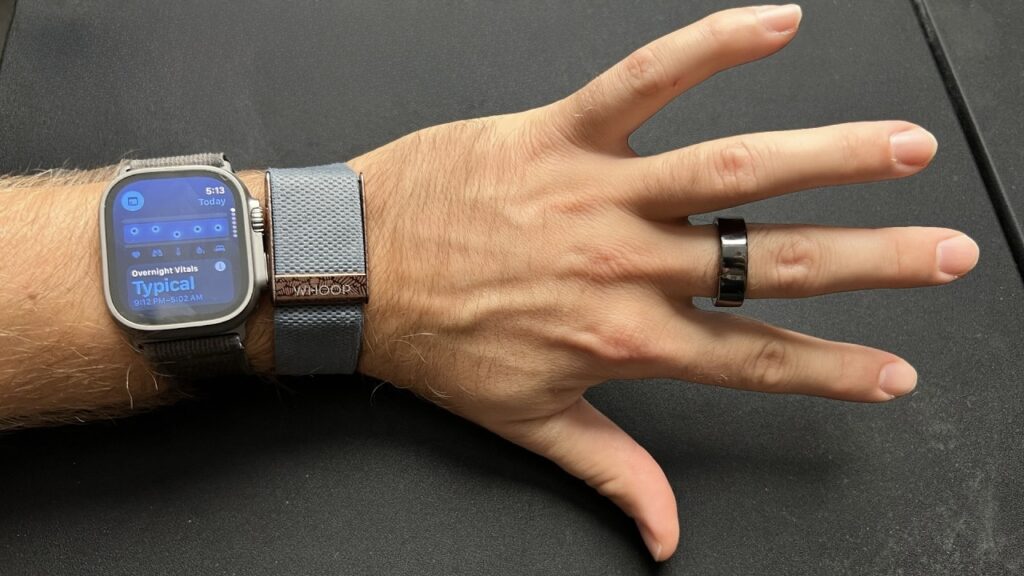
Bands and rings also have an important advantage: they don’t distract you with their screen
The numbers Bloomberg cites speak for themselves. Sales of Finland’s Oura grew from 2.5 to 5.5 million in one year — from October 2024 to September 2025. American Whoop doubled its sales in 2025. In May 2026, Google released its own screenless Fitbit Air band, which has already attracted user attention.
The main advantages of such devices for users are simple:
- longer battery life on a single charge because there’s no power-hungry display
- less distracting: no notifications and bright screen on your wrist
- collect more sleep and recovery data thanks to continuous wearing
Apple Watch, on the other hand, is still built around the screen: notifications, watch faces, apps. This is a strength for some scenarios and a weakness for those who need a quiet health tracker.
How Apple Health Differs from Whoop and Oura
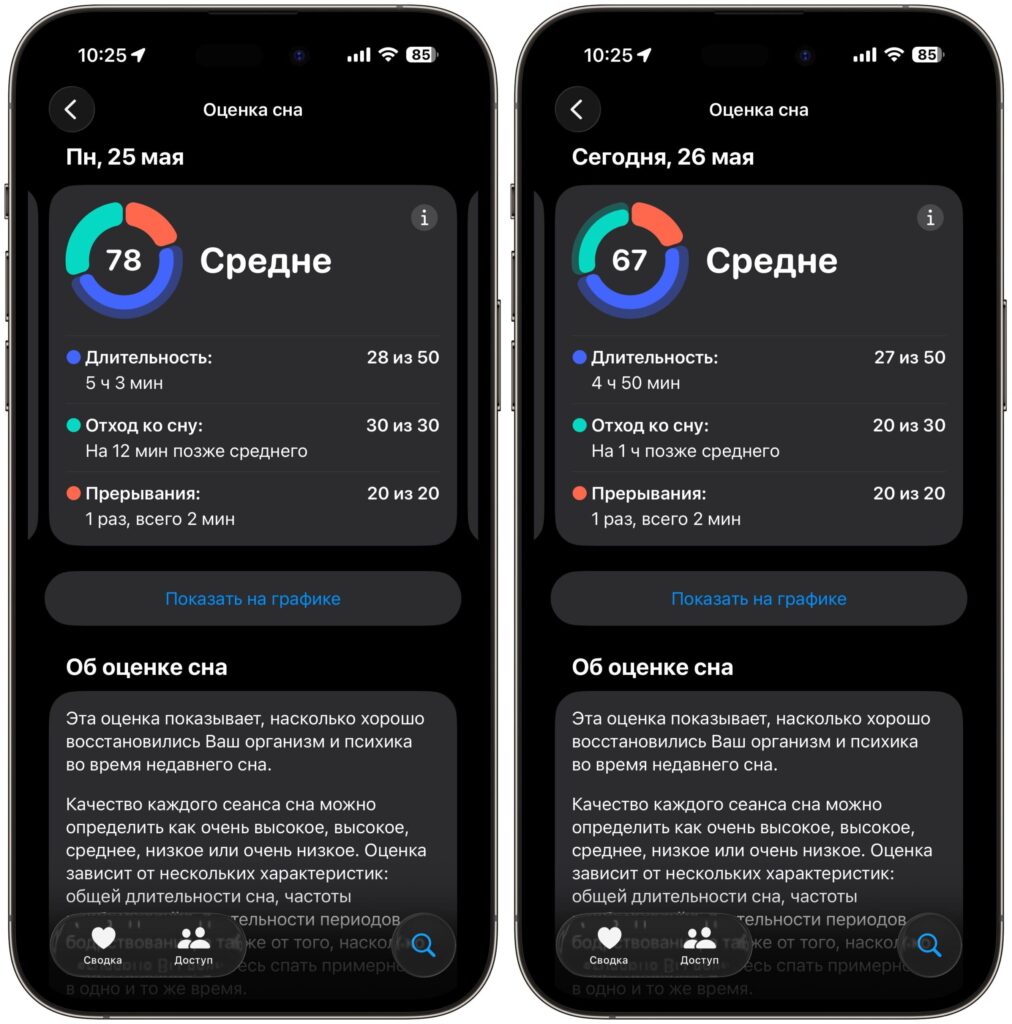
The Health app simply collects all data within itself
It’s important to highlight another key point: Apple Health is focused on clinical metrics rather than habit formation. Whoop and Oura have a different approach: recommendations, daily breakdowns, AI assistants that explain to users what to do with the collected data.
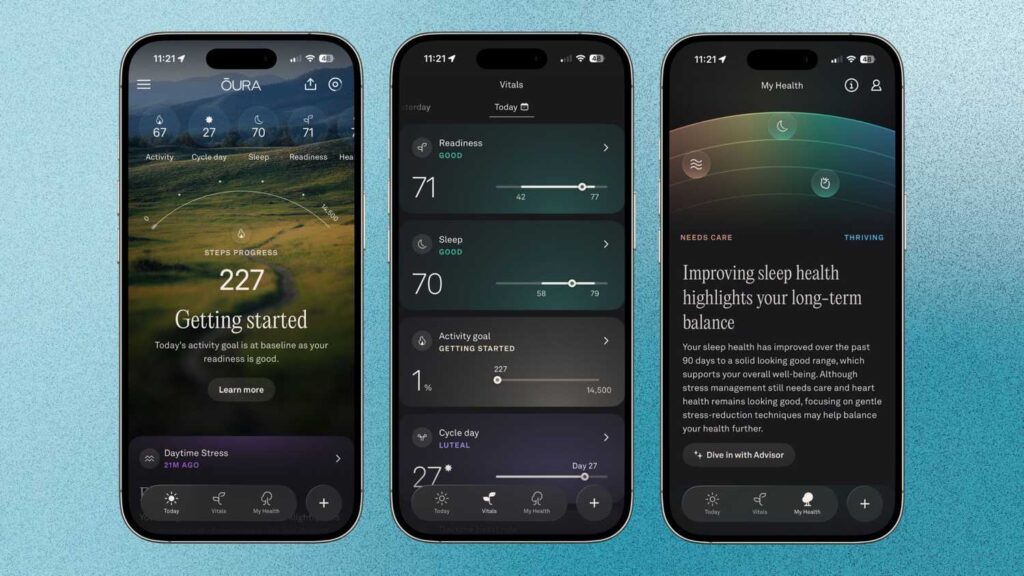
Oura doesn’t just show your metrics but also gives advice
Apple is not rushing to more actively implement neural networks for predictions and medical advice. The reason is risks of inaccurate diagnostics and lawsuits. This explains why Health remains more of a measurement archive than a personal trainer.
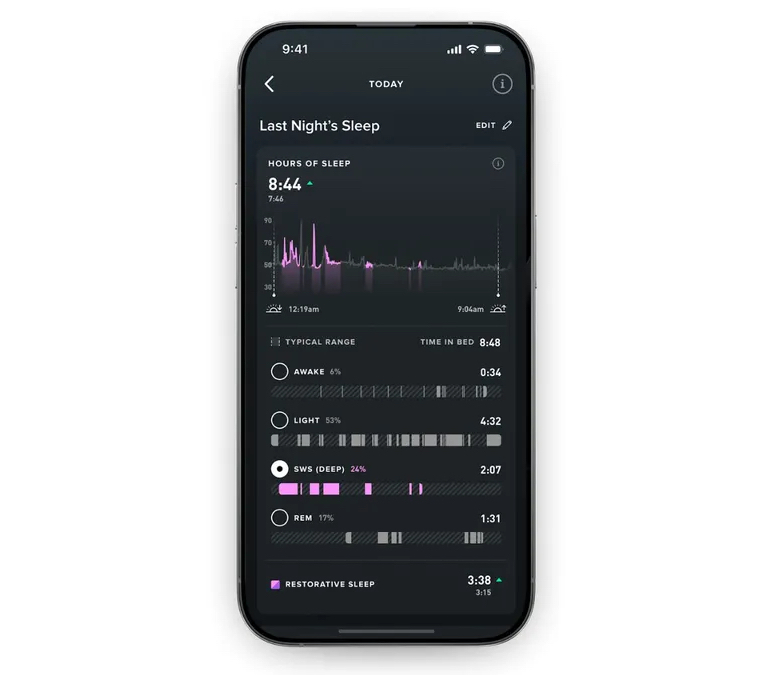
Whoop works similarly
An indirect indicator of internal sentiments: Senior Vice President of Internet Services Eddy Cue, according to Bloomberg, personally uses Oura and Whoop and insists on major changes to Apple’s strategy in the health tracker space.
What Is Known About the Non-Invasive Apple Watch Glucometer
There are two topics that could restore Apple Watch’s advantage. The first is non-invasive blood glucose monitoring, meaning measuring blood sugar without a finger prick. Steve Jobs himself once spoke about this technology. Control over the project was transferred to senior hardware engineer Zongjiang Chen. Bloomberg cautiously writes that the work may have moved forward.
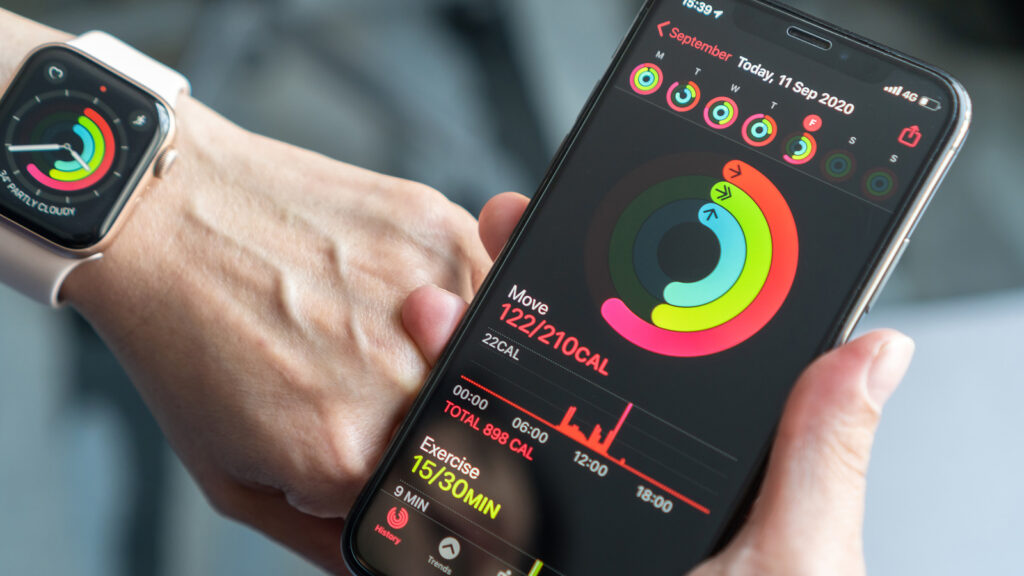
In wearable devices, people have become more interested in health than sports
The second topic is an AI health coach under the codename Mulberry. According to Bloomberg sources, Apple shelved plans to launch this service back in February 2026. This means Apple currently has no direct answer to the AI features of Whoop and Oura. The company is exploring other wearable device categories as well, but few of them are close to realization.
What’s Happening with the Apple Watch and Fitness+ Team
Another reason for the stalling is the turnover of people responsible for health and fitness:
- Chief Operating Officer in healthcare Jeff Williams retired in 2025
- On April 2, 2026, the departure of Fitness+ head Jay Blahnik was announced amid harassment allegations
- On April 16, Apple Watch marketing chief Stan Ng retired
- Watches and smart home devices are now handled by Kaiann Drance — head of iPhone marketing
Gurman also mentions that since 2025, several dozen company engineers have moved to competitors. For users, this means a simple thing: don’t expect quick revolutionary changes. Nevertheless, a number of new features are expected in watchOS 27 that could partially compensate for the lag.
What Health and AI Gadgets Apple Is Preparing
Bloomberg suggests that a lightweight wearable device with advanced AI features for health and fitness could become one of Apple’s most promising products in the next decade. But in the near-term plans, according to the agency, there are other things:
- smart glasses
- AI-powered AirPods with built-in cameras