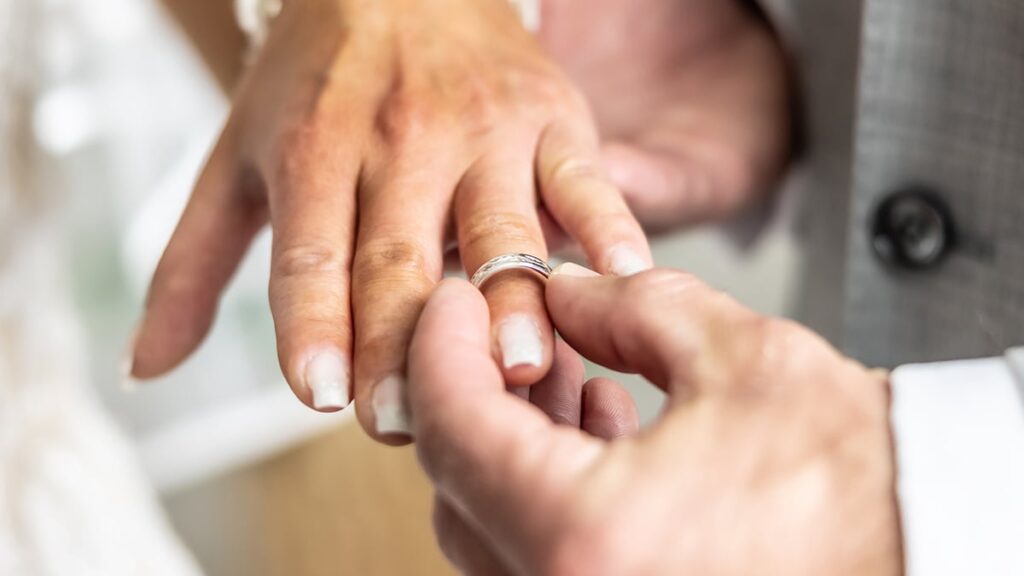
Statistics show that married people die from cancer less often
People who have never been married develop cancer 68–85% more often than those who are or have been married. This is the conclusion reached by scientists from the University of Miami after analyzing more than 4 million cancer cases. The numbers look impressive, but behind them lies a far more complex and interesting story than simply “get married and don’t get sick.”
Benefits of Starting a Family
The study was conducted by specialists from Miami and published in the journal Cancer Research Communications in April 2026. The scientists analyzed data from 12 U.S. states covering more than 100 million people and more than 4 million cases of malignant tumors diagnosed between 2015 and 2022 in people over 30 years old.
Participants were divided into two groups: those who had ever been married (including divorced and widowed individuals) and those who had never been married. The result was clear-cut: never-married men developed cancer approximately 68–70% more often, and women — 85% more often compared to those who had marriage experience.
This is one of the first large-scale studies to examine the connection between marital status and the likelihood of developing cancer, rather than just survival after diagnosis.
Which Types of Cancer Showed the Biggest Difference in Survival
Not all types of cancer were equally associated with marital status. The researchers found the most striking differences in two categories.
First, there were cancers linked to infections, smoking, and alcohol consumption. For instance, never-married men had anal cancer approximately five times more often than men with marriage experience. Never-married women had cervical cancer nearly three times more often. Both of these cancer types are closely linked to the human papillomavirus (HPV) — one of the most common sexually transmitted infections.
Second, women who had been married and had children showed a lower risk of ovarian cancer and endometrial cancer. This is likely explained by hormonal and biological changes associated with pregnancy and childbirth.
However, for cancer types with well-established screening programs — breast cancer, thyroid cancer, prostate cancer — the differences between groups were noticeably smaller. This already suggests that the effect is not about the magic of marriage but about lifestyle and access to healthcare.
Why Marriage Itself Doesn’t Protect Against Cancer
The study authors specifically emphasize: these data do not mean that marriage “cures” or prevents cancer. Tumors don’t check whether you have a ring on your finger. The reasons behind the association are far more mundane, and there are several of them.
First, married people more often have someone nearby who will push them to see a doctor, get screened, or quit a bad habit. A partner often acts as an informal health “reminder service,” and this genuinely affects early diagnosis and prevention.
Second, there is also a reverse relationship at work: people who lead healthier lifestyles, smoke less, drink less, and take better care of themselves are more likely to get married. It turns out that a healthy lifestyle can simultaneously influence both marital status and cancer risk.
Third, marriage is often associated with economic stability and access to health insurance, which in the American context directly determines whether a person undergoes regular cancer screenings.
It’s also important that this was a “snapshot” study — the scientists did not follow the same people over decades but rather analyzed a statistical cross-section. Those who lived in a happy marriage for 30 years and those who were married for two years and then divorced ended up in the same group. This inevitably blurs the picture.
How Social Support Affects Cancer Survival
The topic of social support in the fight against cancer has been studied for a long time, and this research fits organically into a broader context. It was already known that married people are more likely to receive a diagnosis at an earlier stage and better adhere to prescribed treatment. The new study adds another layer: it turns out that marital status may also be linked to the likelihood of developing cancer in the first place.
Clinical psychologist Frank Penedo, one of the study’s authors, articulates the main practical takeaway: if you are not married, you should pay more attention to cancer risk factors, get screened on time, and not postpone visits to the doctor. This is not a call to urgently get married — it’s a call not to remain in an informational and medical vacuum.
For unmarried people, scientists recommend building strong social networks — friends, relatives, communities that can take on the same supportive role that a partner often fulfills: reminding about check-ups, helping navigate the healthcare system, and simply asking about how you’re feeling.

An elderly couple on a walk — social connections are important for health at any age
What Marital Status Means for Cancer Prognosis
It would be wrong to present marriage as a universal “health shield.” Other studies show that single people have their own advantages: a wider circle of close friends, more opportunities for personal growth and independence. And some research links marriage to an increased risk of dementia, so the picture is far from clear-cut.
The authors of the new study acknowledge this and call for further investigation. Future research could divide the “ever-married” group into subcategories — married, divorced, widowed — and follow people over decades to understand how changes in marital status affect cancer risk over time. Additionally, the study covered only the United States, where marital status is closely tied to health insurance, and results may differ in countries with different healthcare systems.
The main takeaway of this work is not that you need to urgently find a partner for the sake of your health. Rather, it’s that marital status is a marker of an entire set of social factors that genuinely affect cancer risk: access to healthcare, lifestyle, and having an attentive person nearby. And if at least some of these factors can be ensured without a marriage certificate — for example, through regular check-ups and strong social connections — that’s already a step toward reducing risk.