Samsung is actively working on a new version of its shell, and there are already first details about the capabilities of One UI 9. But now it turns out that this shell may appear not only on smartphones and tablets. According to SamMobile, Samsung laptops from the Galaxy Book series are preparing to receive a fundamentally new software foundation: instead of Windows — Android with the One UI shell. If this happens, Samsung will for the first time unite the platform of all its key devices under a single interface.
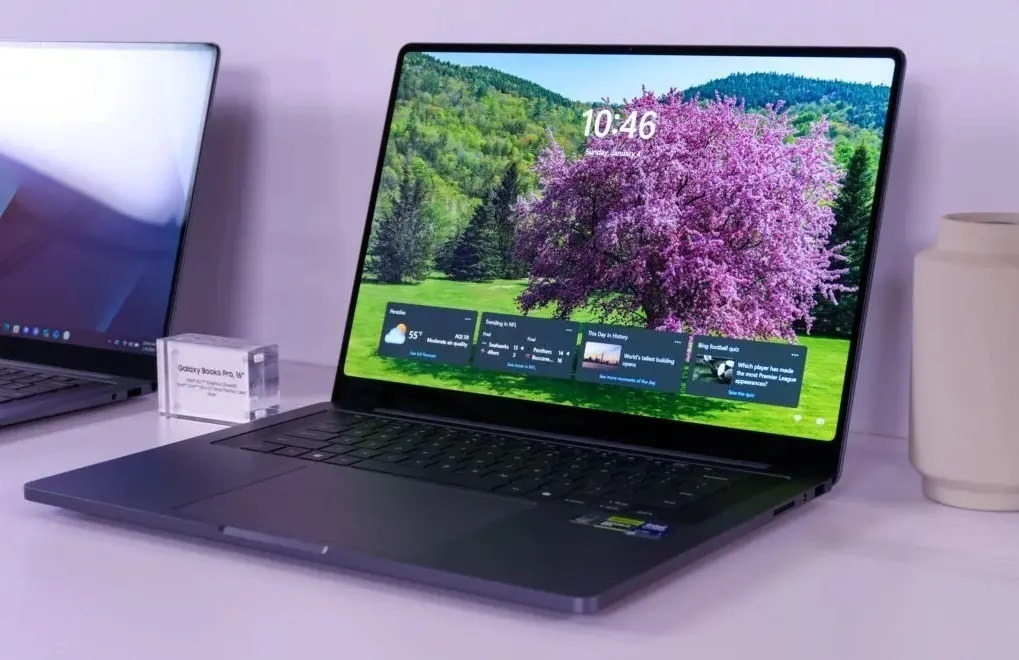
Samsung plans to switch its laptops to One UI. Image: sammobile.com
Galaxy Book on Android 17 and One UI 9 — What’s Known
According to exclusive data from SamMobile, the new laptops with One UI will run on Android 17 with the One UI 9 shell — the same platform that will come to Samsung smartphones and tablets in the near future. An important nuance: this is not about pure Android in its mobile form. Samsung already produces laptops on ChromeOS — the Galaxy Chromebook series. The new devices will apparently use an updated version of ChromeOS under the codename Aluminium OS, built on an Android kernel with the One UI shell on top. Essentially, it’s a reworked ChromeOS with an Android foundation and a familiar Samsung interface.
This is not Android, but a new ChromeOS with an Android kernel and One UI on top.
The company is developing three variants of such devices at once: budget, mid-range, and flagship. The flagship version is reported to feature a very thin body, as Samsung is clearly looking toward the MacBook when designing it.
Why Is an Android Laptop Needed
To understand the logic of this decision, just look at the current state of the Samsung ecosystem. Smartphones and tablets run on Android, watches on Wear OS with One UI, TVs on Tizen, laptops on Windows or ChromeOS. Each device has its own operating system, its own interface, its own apps. There is no unified ecosystem in the full sense.
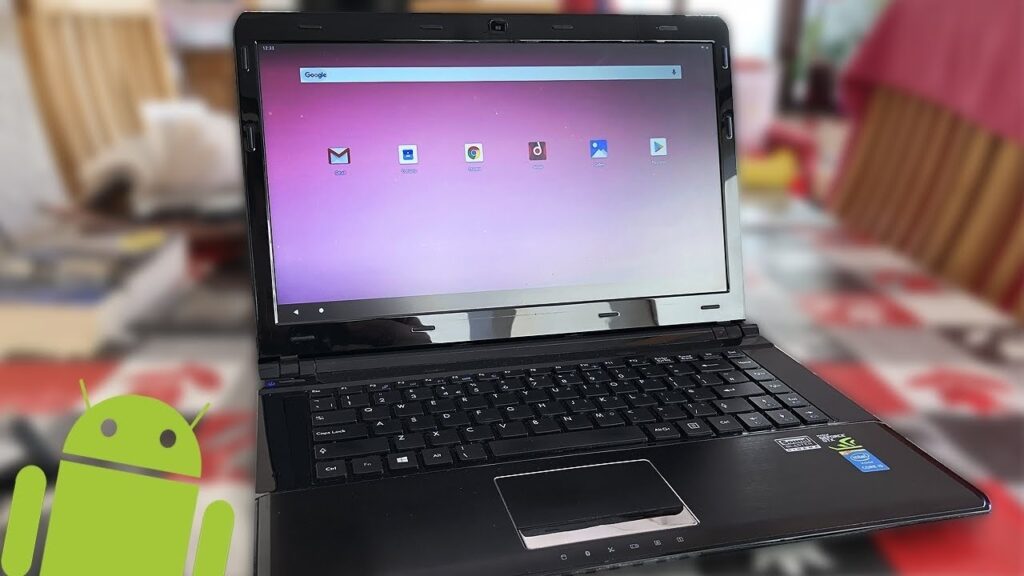
Android laptops already exist, but Samsung hasn’t made them yet. Image: gorelka-optimus.ru
The transition of laptops to Android with One UI changes this picture. Samsung’s interface, apps, and services will look and work the same on a phone, tablet, and laptop. For a user of the Samsung Galaxy ecosystem, this provides several specific advantages:
- a unified set of apps from Google Play across all devices without the need to buy separate versions for different platforms;
- a common design of the Samsung shell;
- an improved version of Samsung DeX for productive work on a large screen;
- Galaxy AI neural network features, which currently only work on smartphones and tablets, will appear on laptops;
- deep integration between laptop, phone, and tablet through a unified platform.
There’s already a precedent. Several years ago, Samsung switched Galaxy Watch from its own Tizen to Wear OS based on Android. That transition turned out to be generally successful: the watches gained access to more apps and integrated better with smartphones. With laptops, Samsung is trying to repeat the same path, only on a larger scale.
When Will the Samsung Android Laptop Be Released
There are no exact dates yet. However, Google may introduce Android 17 and the new version of ChromeOS at the Google I/O conference in May 2026. If this happens, Android laptops from Samsung with One UI 9 could theoretically appear by the end of 2026.
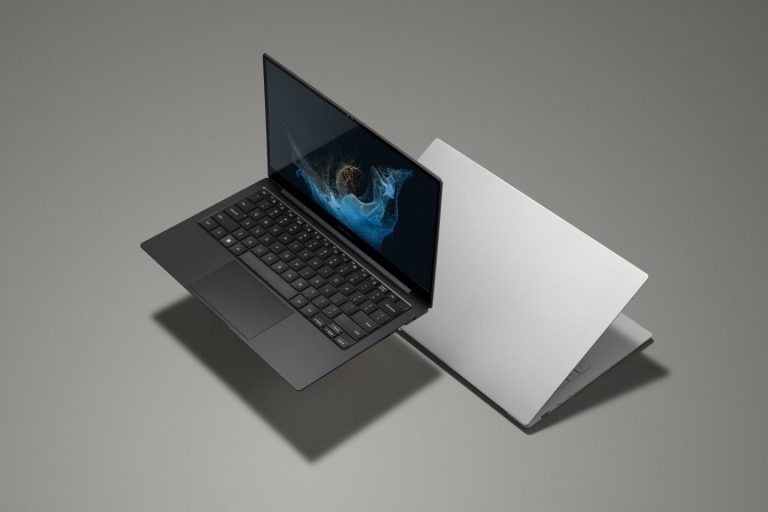
Laptops with One UI are expected as early as this year. Image: Samsung
An important caveat: at this point, this is insider information, not an official announcement. Samsung has not confirmed or commented on these plans. Timelines, specifications, and even the very fact of such devices being released may change.
Who Would an Android Samsung Laptop Suit
If you’re deeply invested in the Samsung Galaxy ecosystem (using a Galaxy smartphone, tablet, and watch), a Samsung laptop on One UI could become a logical addition. A unified platform will simplify switching between devices, and a familiar interface will reduce the time needed to get used to it.
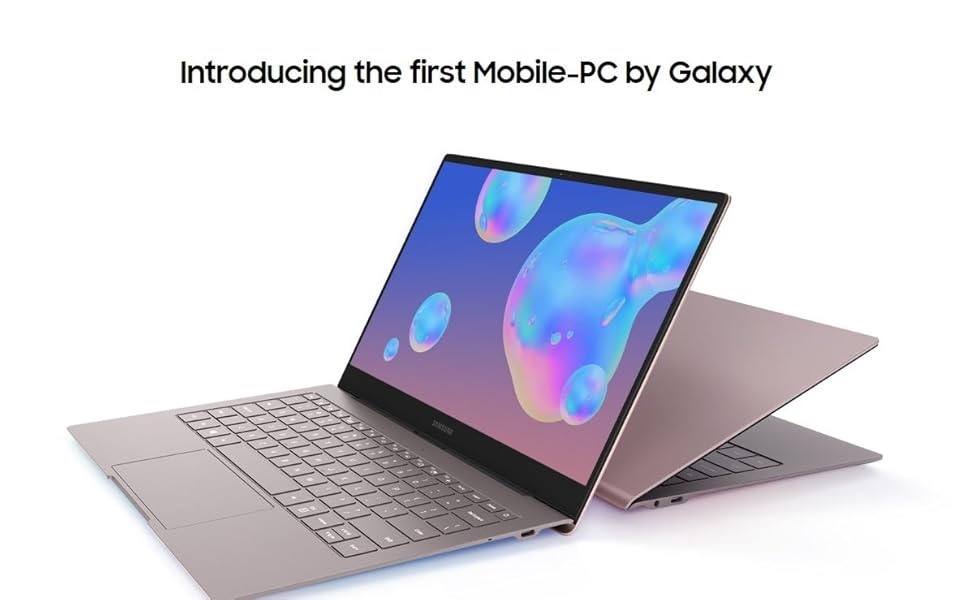
These will be lightweight laptops for office work. Image: Samsung
For those who work with professional Windows software (AutoCAD, Visual Studio, specialized accounting and engineering programs), such a laptop is unlikely to replace a main machine. Samsung’s operating system on an Android kernel, even in laptop form, doesn’t yet cover these tasks. For everyday scenarios (browser, email, messengers, documents, video, social media), a laptop with One UI could turn out to be a perfectly viable option. Chromebooks already handle these tasks, but with their own shell and a full-fledged Android ecosystem, the integration promises to be deeper.
Is It Worth Buying a Galaxy Book on Android
It’s too early to draw conclusions about the success of this transition. There are several questions whose answers will only appear closer to release:
- how well Android apps will adapt to a laptop’s large screen — the tablet experience and laptop experience differ significantly;
- whether desktop web apps will be supported at the ChromeOS level;
- what processors will be used (ARM or x86, as compatibility with familiar software depends on this);
- whether these devices will appear on the Russian market and at what prices;
- how updates and support will compare to Windows versions of Galaxy Book.
The trend itself is clear: Google is gradually bringing ChromeOS and Android closer together, and Samsung wants a unified ecosystem of devices with a common One UI shell. If the implementation turns out to be successful, this could seriously challenge Windows in the everyday laptop segment. But for now, these are plans. It’s worth waiting for official announcements and first reviews before making any bets.