Counterpoint Research has published a preliminary report on smartphone sales for the first quarter of 2026. And the leader of the global ranking turned out to be not some outrageously expensive flagship, but the regular iPhone 17. That’s right — the base model. It surpassed both the iPhone 17 Pro Max and the iPhone 17 Pro, taking first place with a 6% share of all global sales. You might wonder why anyone would buy the “regular” iPhone when there’s a Pro version available. But once you look at how much an iPhone costs and what you get for your money, everything becomes obvious. Let’s break it down.
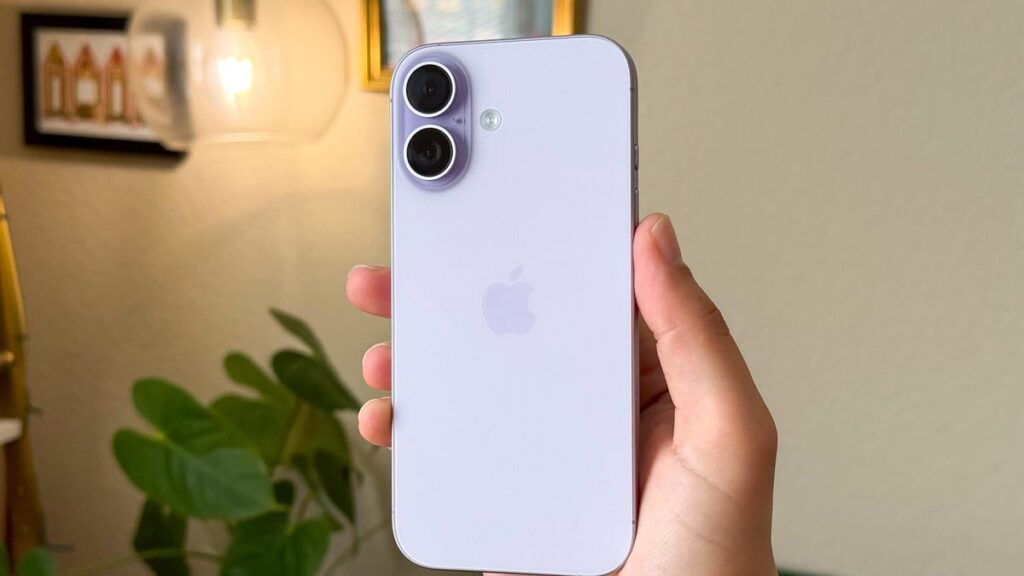
This year’s sales leader is unexpected
Best-Selling Smartphones of 2026: Where iPhone 17 Ranks
According to Counterpoint Research, in the first quarter of 2026 the iPhone 17 became the best-selling smartphone in the world. It took first place with a 6% share of global sales — more than any other smartphone on the planet. In second place — the iPhone 17 Pro Max, in third — the iPhone 17 Pro.
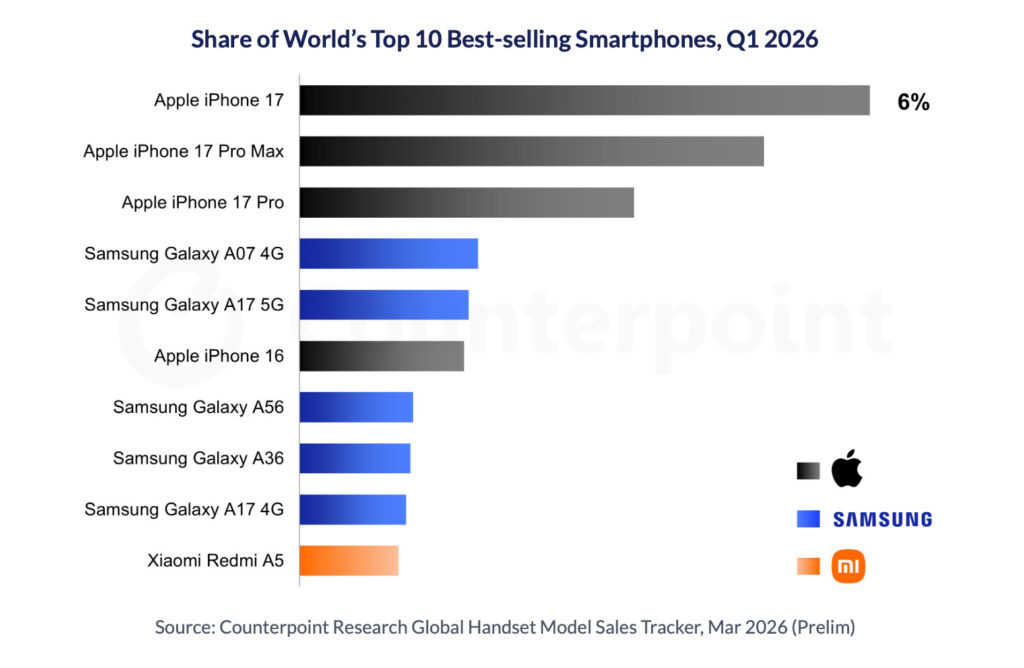
This is how the chart turned out. People choose the base version for its excellent specs
Analysts note that the iPhone 17 showed double-digit sales growth in key markets: China, the US, and especially South Korea, where sales tripled compared to the previous year. The reason is simple — the base model received so many flagship improvements that the difference from the Pro version became minimal.
Interestingly, four iPhone models made it into the top 10: in addition to the leading trio, the iPhone 16 took sixth place. However, the iPhone Air didn’t make the ranking — apparently, the ultra-thin body wasn’t a decisive argument for buyers. The Samsung Galaxy S26 Ultra also didn’t make the top ten, although it did show growth compared to its predecessor.
Differences Between iPhone 17 and iPhone 17 Pro
The most important thing that happened with the iPhone 17 is that Apple finally stopped artificially limiting the base model. Previously, the standard iPhone always got a worse screen, lower refresh rate, and weaker camera. With the seventeenth generation, everything changed.
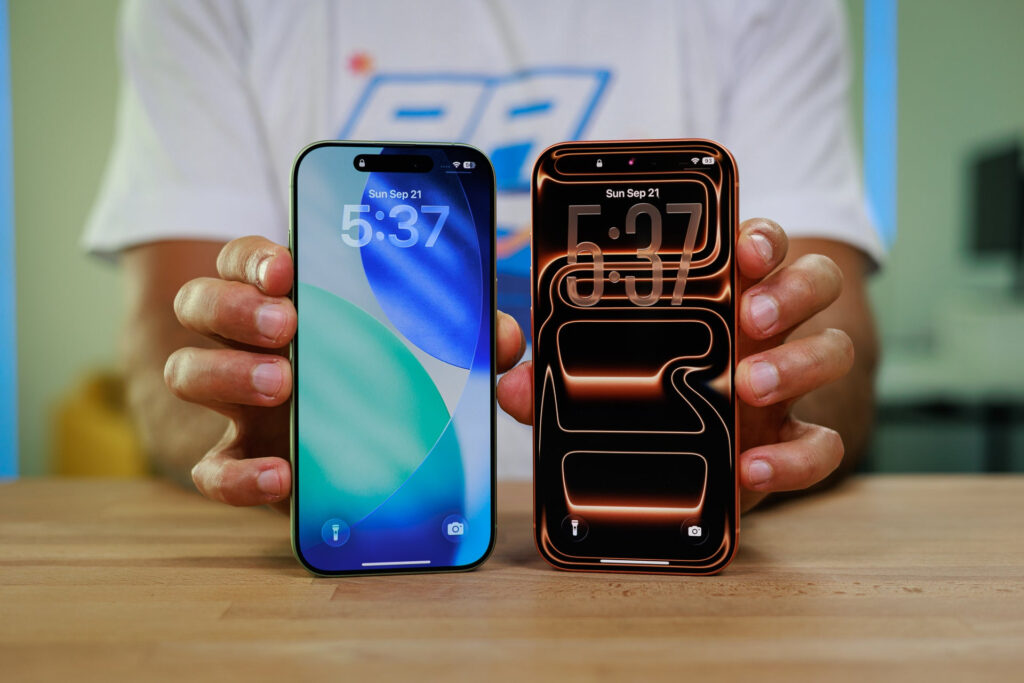
The base model now also has a top-tier display
The iPhone 17 and iPhone 17 Pro have absolutely identical displays: 6.3 inches, OLED Super Retina XDR, 1206 × 2622 pixel resolution, refresh rate up to 120 Hz with ProMotion technology, peak brightness of 3000 nits, and Always-On Display support. Previously, ProMotion was exclusive to the Pro lineup — now it’s available across the board. And this is arguably one of the main reasons to buy the iPhone 17 rather than wait for the next generation.
The A19 chip in the base model features a 6-core CPU and 5-core GPU, built on a 3-nanometer process. Yes, the Pro has the A19 Pro with a slight advantage in graphics and 12 GB of RAM instead of 8 GB. But for everyday tasks, gaming, Apple Intelligence, and multitasking, the difference is virtually imperceptible. Both chips support the next-generation Neural Engine, hardware ray tracing, and all artificial intelligence features.
The design has also converged. Both smartphones feature an aluminum body, Ceramic Shield 2 protective glass on the front, IP68 water resistance, and identical dimensions. The only difference is that the Pro has Ceramic Shield on the back as well, while the regular iPhone 17 has glass on the back. In terms of how they feel in hand — the differences are minimal.
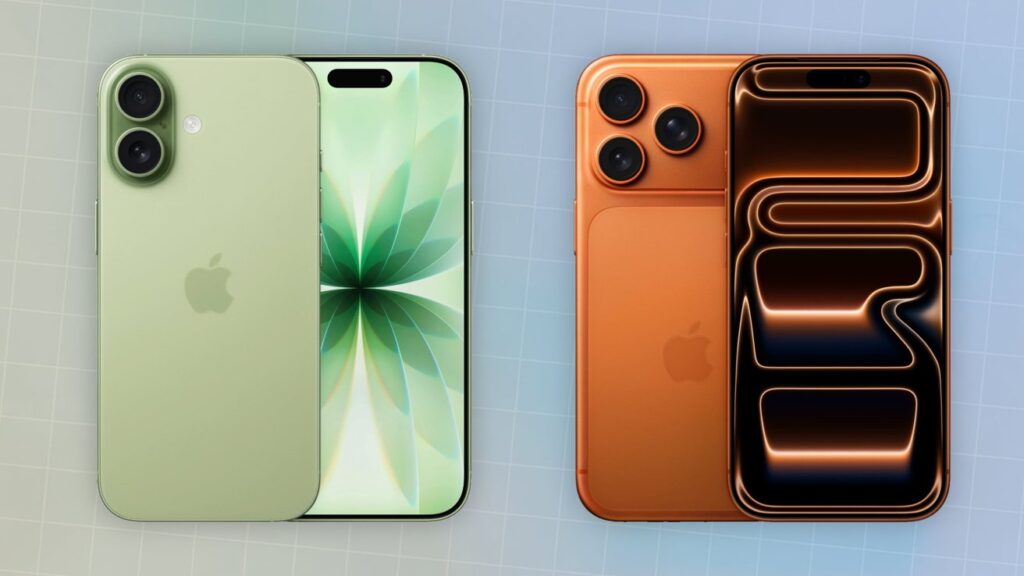
Both devices feature an aluminum body
The iPhone 17 lasts up to 30 hours of video playback, the iPhone 17 Pro — up to 33 hours. The three-hour difference is explained by the Pro’s 4252 mAh battery versus 3692 mAh in the base model. In real life, both smartphones easily last until the evening, and often longer.
Charging is identical: up to 50% in 20 minutes via wired charging with a 40W+ adapter, wireless MagSafe and Qi2 charging at 25W. No compromises — the base model charges just as fast as the Pro.
iPhone 17 vs iPhone 17 Pro Camera: Who Needs a Telephoto Lens
This is where the only significant difference begins. The iPhone 17 has two 48 MP cameras: the main Fusion and the ultra-wide Fusion. The iPhone 17 Pro has three 48 MP cameras, including a telephoto lens with 4x and 8x optical zoom.
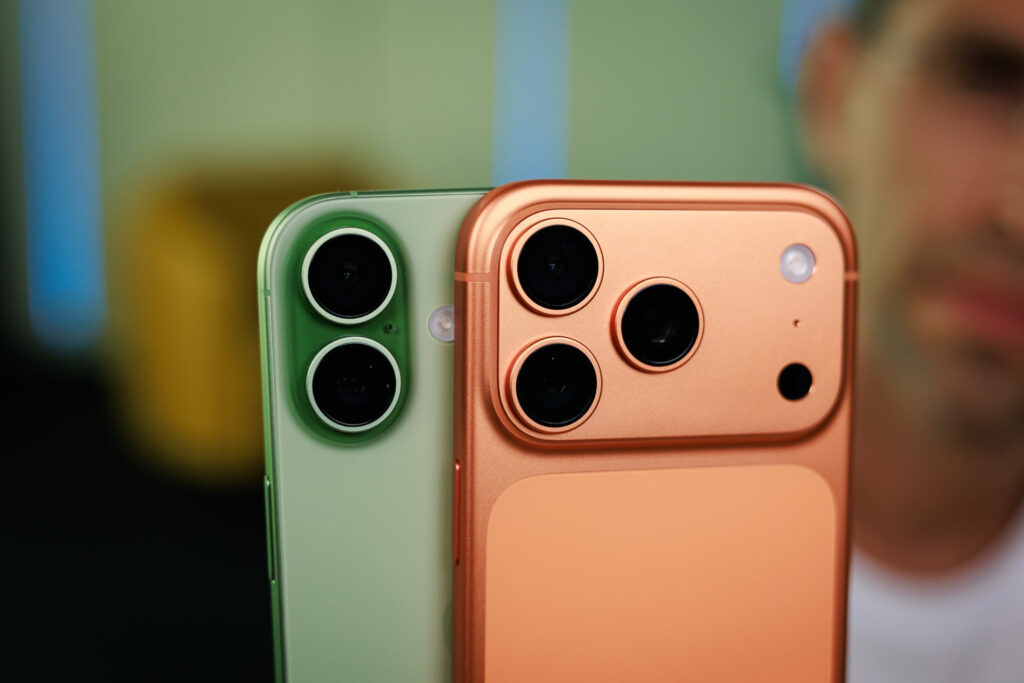
The 17 Pro has one extra camera and LiDAR, but does the majority really need it?
But let’s be honest: most users don’t need a telephoto lens. The two cameras on the iPhone 17 take gorgeous photos and 4K video. Macro photography, night mode, portraits — everything works excellently. The 18 MP front camera with Center Stage is absolutely identical on both smartphones, as is the new Dual Capture mode for simultaneous front and rear camera shooting.
The Pro additionally offers 4K recording at 120 fps (versus 60 fps on the base model), ProRes RAW support, and a LiDAR scanner for more accurate depth sensing. These are tools for professional videographers and content creators. If you’re not editing videos for film festivals, these capabilities simply won’t be needed.
Which iPhone to Choose in 2026
Now for the most interesting part. The official price of the iPhone 17 in the US is $799, while the iPhone 17 Pro is $1,099. That’s a $300 difference — and that’s just the beginning. In Russia, the situation is even more telling. The iPhone 17 in May 2026 can be found starting from 62,000–65,000 rubles, while the iPhone 17 Pro starts from 93,000–103,000 rubles. The difference reaches 40,000 rubles and more. For that money, you could buy a decent Android smartphone or a great pair of headphones.
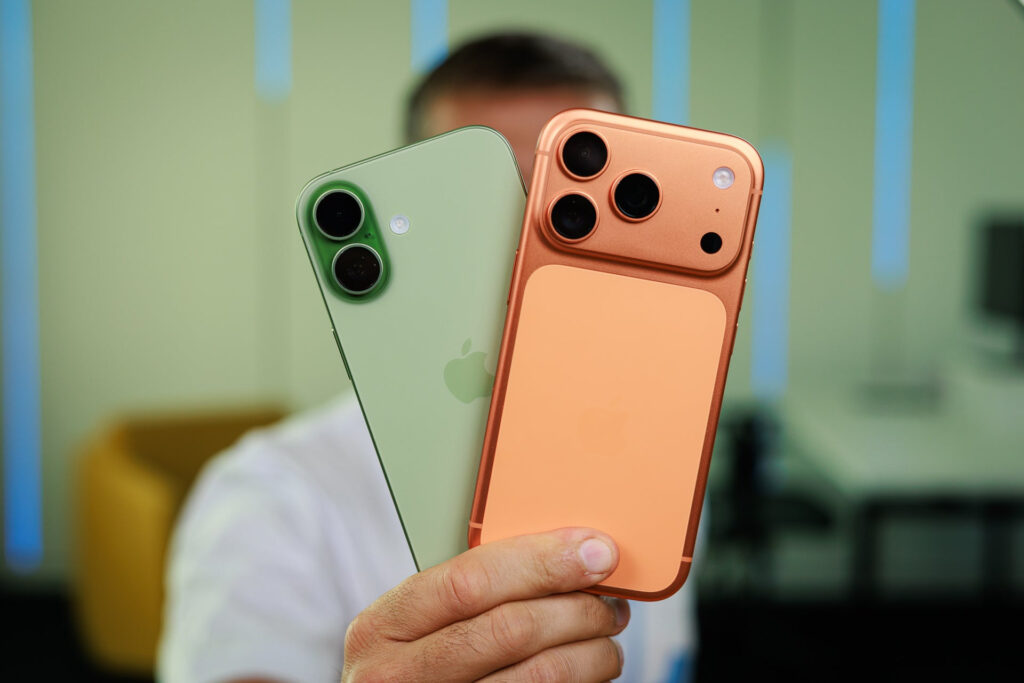
Of these devices, I’d also choose the base model. The ideal option in terms of price-to-features ratio