
WHO shocked the world: nearly all fatal cases from this killer could have been prevented
Since 2022, heat caused by global warming has claimed more than 200,000 lives in Europe, and nearly all of these deaths could have been prevented. This was stated by the World Health Organization. The announcement came after several countries recorded the highest May temperatures in history. Heat is rightly called a “silent killer”: it rarely makes headlines, but in terms of victims it surpasses many far more visible disasters.
Why Heat Is Called the “Silent Killer”
The head of WHO’s European branch, Hans Kluge, directly called extreme heat the most immediate and deadly manifestation of climate change. What’s worse is that heat kills invisibly. It doesn’t destroy homes like a hurricane and doesn’t sweep away cities like a flood. A person simply feels weakness, dehydration, their chronic illnesses worsen — and this is far from always recorded as a “heat-related death.”
This is precisely why Kluge called the official 200,000 deaths merely the “tip of the iceberg”: millions more people suffer physically and psychologically without appearing in any statistics. Heat strikes the heart, kidneys, and nervous system, but death certificates more often list their failure rather than the root cause.
How High Temperature Kills a Person
To understand why heat is so dangerous, it’s enough to remember that the human body is designed to function within a narrow temperature range. When it gets hot, the body tries to cool itself through sweating, but this mechanism has its limits.
The most at-risk groups are the very elderly, young children, and patients with heart and kidney diseases. Heat affects them through several pathways simultaneously:
- dehydration — the body loses water faster than a person can replenish it
- heatstroke — the thermoregulation system stops coping, and body temperature rises dangerously
- exacerbation of chronic diseases — the strain on the heart and kidneys increases sharply
In elderly people, the sense of thirst becomes dulled, so they often become dehydrated without even noticing. And for those with heart conditions, heat places an additional burden precisely when their bodies are least prepared for it.
Why Europe Is Warming Faster Than Other Continents
Kluge emphasized that Europe is warming faster than any other continent. Scientists link the growing number of such tragedies to climate change caused by human activity: heat waves, droughts, and floods are becoming more frequent and more intense.
The specific reason for WHO’s statement was the abnormally early heat at the end of May that blanketed a significant part of Western Europe. The head of the UN’s climate division, Simon Stiell, called it a “cruel reminder of the escalating consequences of the climate crisis.”
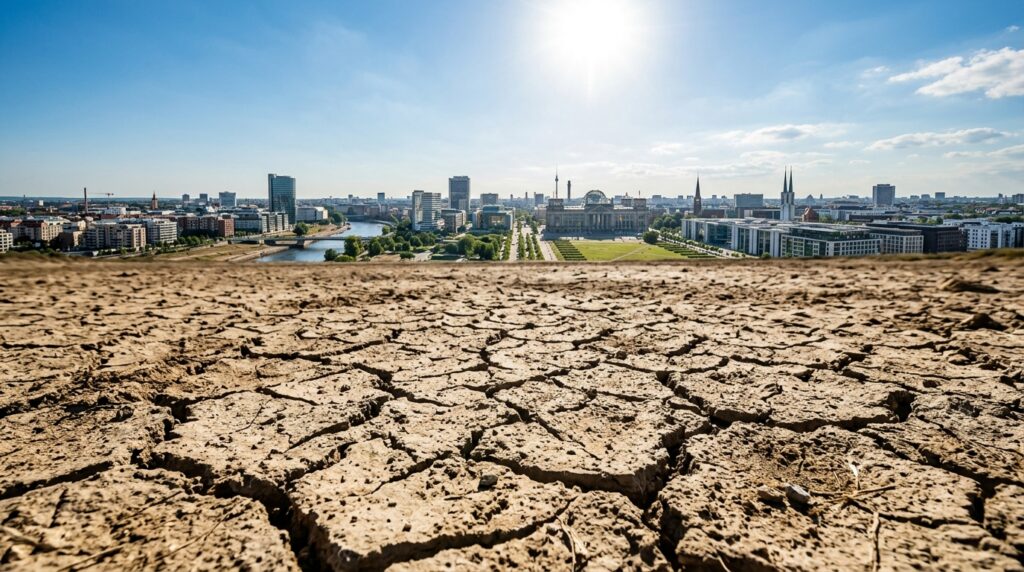
Scientists link increasing heat waves to climate change
The numbers confirm the alarm: Spanish authorities reported that this year they recorded the highest number of heat-related deaths for May since 2015. And this is a month traditionally considered still spring, not the peak of summer.
What WHO Proposes to Protect People From Heat
WHO’s main message is optimistic: heat is a silent killer, but not an inevitable one. Most deaths could have been prevented, and this requires not miracles but systematic measures. In its new guidance, the organization lists what authorities should do:
- create early warning systems for heat waves and alert vulnerable population groups
- develop urban greening — more parks and green zones that reduce temperatures in cities
- use social services to ensure elderly people drink water on time
- shift work schedules so people don’t work under the midday sun
Kluge separately noted an important point: personal measures like “don’t go out in the heat” are necessary, but they are not enough to combat a systemic crisis. Heat is not an individual person’s problem but society’s as a whole, and it needs to be addressed in a coordinated manner at the level of institutions and cities.
What WHO’s Heat Recommendations Mean for an Ordinary Person
For each of us, WHO’s conclusion means a simple thing: heat should be taken just as seriously as frost or a storm. Especially if there are elderly relatives or people with heart disease nearby — they are the ones heat threatens first, and they are the least likely to ask for help.
Practical steps during severe heat are straightforward:
- drink water regularly, without waiting for intense thirst
- avoid being outside and physical exertion during the hottest hours
- check on the well-being of elderly relatives and neighbors
- create cool zones at home — shade windows, ventilate at night
This doesn’t eliminate the need for major systemic measures but helps survive a specific heat wave without health consequences.
The main takeaway from WHO’s statement is not in the frightening number but in the word “preventable.” Two hundred thousand deaths are not an unavoidable natural disaster but the result of society not yet learning to perceive heat as a real threat. And the sooner this changes — at the level of cities, services, and every family — the fewer people will be lost next summer.