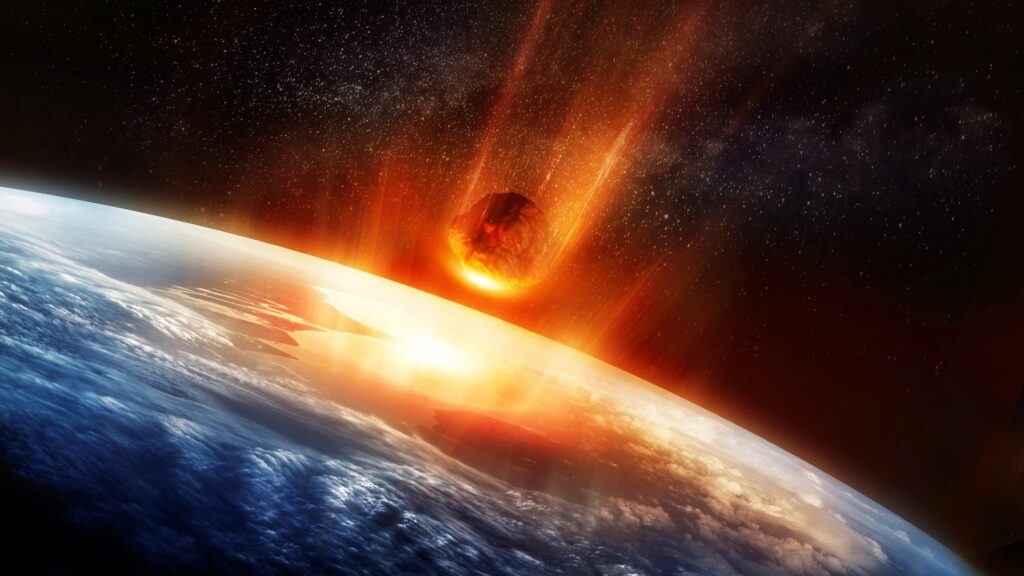
After the asteroid impact, only those creatures ready for hardship survived
The Chicxulub asteroid wiped out three-quarters of species on Earth 66 million years ago, but some animals still survived. What exactly distinguished the survivors from the extinct — size, diet, habitat? Modern research shows there is no simple answer, and some findings even contradict conventional theories.
What Happened After the Chicxulub Asteroid Impact
When the asteroid, approximately 12 kilometers in diameter, slammed into what is now the Yucatán Peninsula, the consequences were global. The impact launched enormous volumes of dust and soot into the atmosphere, blocking sunlight for months and possibly years. Temperatures plummeted, photosynthesis virtually ceased, and food chains began collapsing one after another.
All non-avian dinosaurs perished. But along with them, ammonites, many marine reptiles, and a significant portion of plankton and plants also disappeared. Yet some mammals, birds, reptiles, and aquatic organisms survived the catastrophe. How exactly? This is a question that paleontologists are still piecing together to this day.
What Affects Animal Survivability
One of the most persistent hypotheses states that those who survived were the ones that did not depend on a single food source. Those that could switch between different types of food were in a better position when familiar ecosystems collapsed.
A good example is the small mammal Purgatorius coracis, which fed on insects, fruits, and seeds simultaneously. When some food sources disappeared, others remained available. Seeds and insects proved to be an especially valuable resource in a world without sunlight, because seeds do not depend on photosynthesis directly, and insects can feed on decomposing organic matter.
The same principle works today: crows and raccoons, capable of eating practically anything, adapt to climate change better than other species.
How Aquatic Creatures Survived the Chicxulub Catastrophe
On land, the catastrophe destroyed vegetation and everything that depended on it. But in water, there was an alternative pathway for obtaining energy — through dead organic matter settling on the bottom.
Animals that fed on this debris gained a serious advantage. Nautiluses, relatives of the extinct ammonites, survived precisely because of this strategy. Some aquatic turtles specialized in eating hard-shelled mollusks, which in turn lived off dead organic matter.
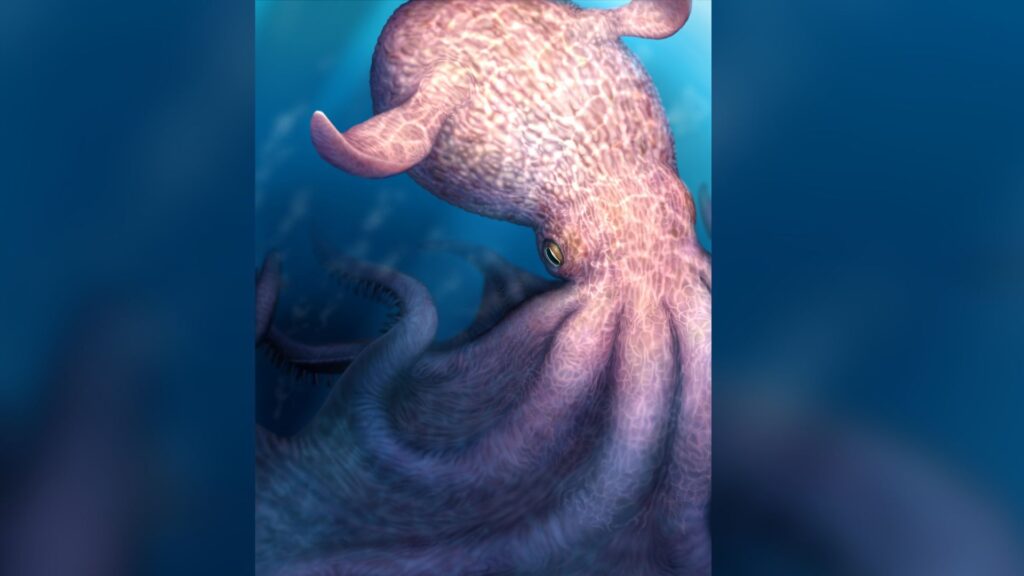
The nautilus — one of the few cephalopods that survived the mass extinction
A 2026 study showed that the ability to crush shells was linked to increased survival rates during the Cretaceous extinction. Those that could access food inside protective shells gained access to a resource that did not run out even in the darkest times.
How Birds Outlived the Dinosaurs
Of all the dinosaurs, only one group survived — birds. More precisely, the ancestors of modern birds, which differed from their extinct relatives in several key traits. They were small, had powerful chest muscles and wings for flight, and their chicks grew quickly. And, most importantly, they ate seeds.
All of this together gave them survival advantages. Small size meant lower food requirements, the ability to fly allowed them to search for resources across vast territories, and a seed-based diet did not depend on sunlight directly. Scientists still debate why mammals survived the asteroid impact while giant reptiles did not, but body size and dietary flexibility remain the leading candidates for explanation.
The Age of Fungi After the Dinosaur Extinction
After the extinction, the planet was temporarily taken over by fungi. Without sunlight, plants could not grow, but fungi thrived on mountains of decomposing dinosaurs.
One hypothesis explains why mammals specifically emerged from the catastrophe as the dominant group. It is believed that they are more resistant to fungal infections than reptiles. The high body temperature of mammals creates an environment in which many fungi find it harder to reproduce. If this is true, then warm-bloodedness became an unexpected advantage — not in fighting the cold, but in fighting fungi.
However, we still do not know for certain why mammals specifically filled the ecological niches of the extinct dinosaurs. This is one of the greatest unsolved mysteries of paleontology.
The survival story after the Chicxulub asteroid is a story about how flexibility, small size, and the ability to eat whatever was available proved more important than strength and magnitude. It was precisely the animals that survived 66 million years ago that gave rise to the age of mammals, and thus made it possible for us, humans, to appear.