We’ve already written about how to choose a smartphone based on specs and analyzed specific parameters worth paying attention to. But before looking at the right specs, it’s a good idea to understand the ones that manufacturers intentionally distort. Some numbers in specifications aren’t a description of the real device but a marketing construct designed to make you buy. Let’s break down five specific examples of how Android phone specifications diverge from reality, and why this is frankly outrageous.
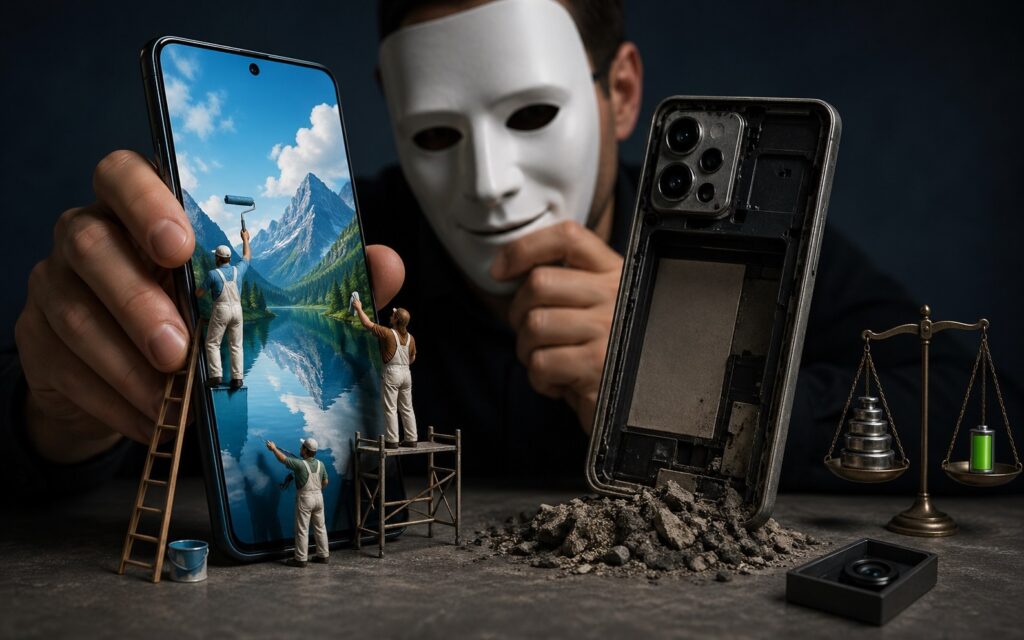
Talking about the most misleading smartphone specifications
Water Resistance on Android Phones
Let’s start with the most cynical one. A phone with IP68 water resistance — sounds like real water protection. In ads, the smartphone sits at the bottom of a pool. The specs page proudly states IP68. The buyer picks up the device and feels protected.
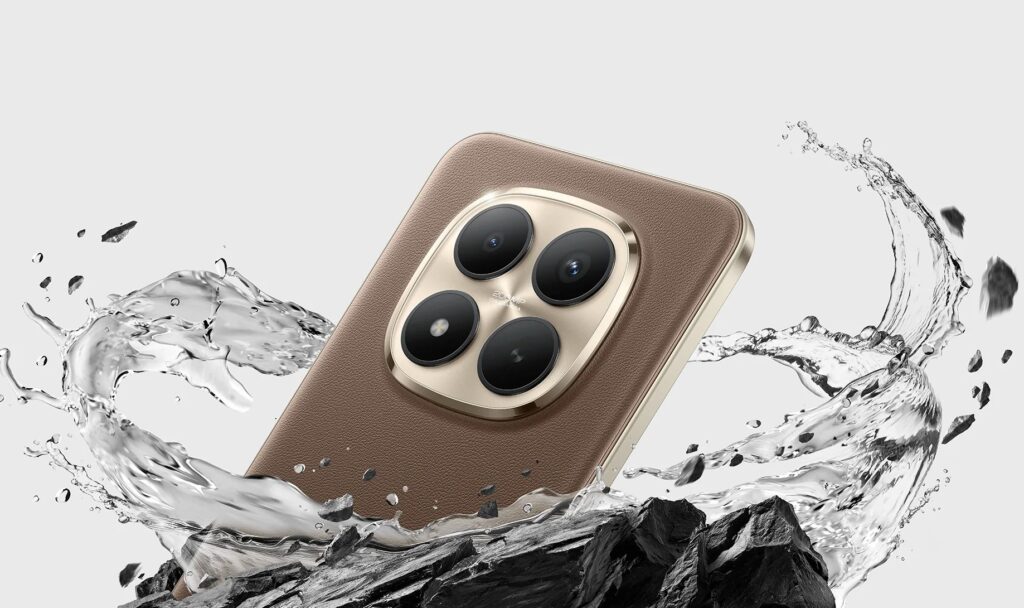
Don’t trust fancy words about full water protection. Image: Xiaomi
Now let’s open the service terms and read the fine print. All manufacturers without exception say the same thing: water damage is not covered by warranty. It doesn’t matter whether you have IP67, IP68, or IP69. If you drown your phone — repairs are at your own expense. Here’s how phone water resistance ratings actually work:
- testing is conducted in a lab, under ideal conditions, with a brand-new device;
- fresh water is used without pressure or impurities (not seawater, not chlorinated pool water);
- after a year of use, seals and sealant degrade, and nobody tells you about it;
- test results don’t imply any obligations from the manufacturer to the buyer.
Spoiler: almost never. The manufacturer has protected itself legally but left you with the illusion of waterproofness. This is called selling a sense of security without actually providing it.
IP68 does not guarantee water protection.
What this means in practice: water resistance will save you from accidental splashes, rain, and wet hands. Don’t count on anything more, even if the box says IP68. Shooting underwater, diving with your phone, and intentionally submerging it is a bad idea, no matter how beautiful the ad is.
Peak Screen Brightness on Smartphones
Manufacturers compete in numbers: 3,000, 4,500, 5,000, 6,500 nits. You look at these figures and think new smartphones shine like spotlights. You hold one outside on a sunny day and realize something’s off.
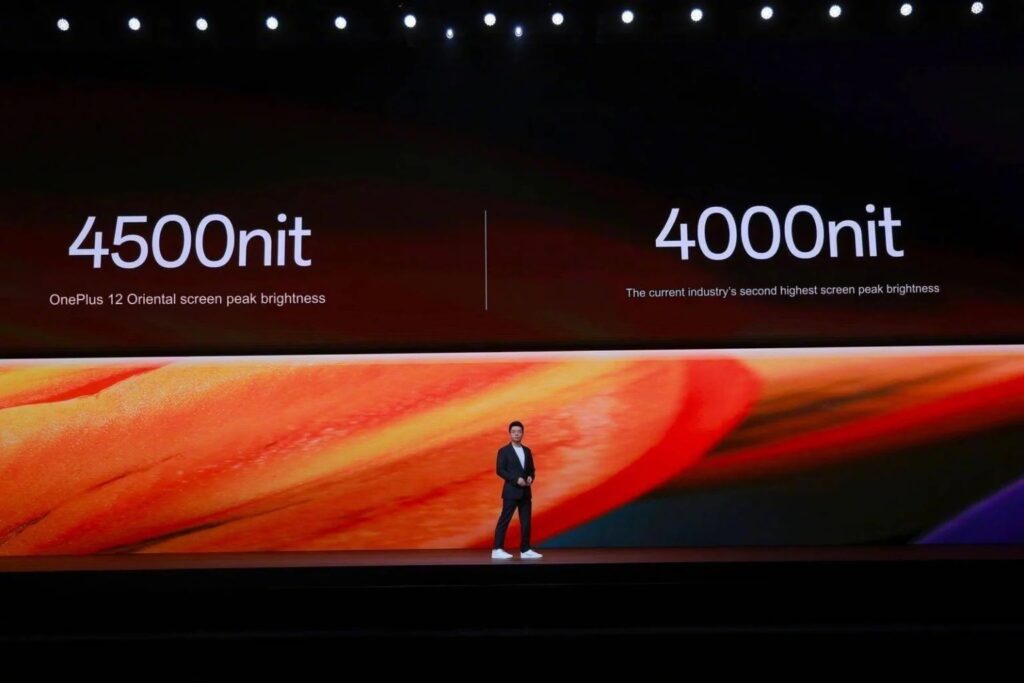
You’ll hardly ever notice peak brightness. Image: OnePlus
Peak screen brightness is achieved in one single scenario: when playing HDR content on 1-5% of the display area under ideal conditions. It’s literally a bright spot on the screen at a specific moment. Typical Android phone screen brightness during regular use is 2-3 times lower than the stated peak. A specific real-life example: HONOR listed a body thickness of 9.2 mm — but that value only applies to the thinnest corners of the device. The main body is 9.8 mm. The logic is the same: take the best measurement under the best conditions and put it in the specs.
Peak brightness of 5,000 nits is a result achieved under ideal conditions on a tiny portion of the screen.
How this works in practice:
- stated 5,000 nits — this is the peak value for a tiny screen area during HDR;
- typical brightness of the same smartphone in real use — 800-1,500 nits;
- auto-brightness outdoors is often lower than what’s needed for comfortable reading;
- a smartphone with “3,000 nits” from one manufacturer can be brighter in sunlight than “6,000 nits” from another, because their typical values differ.
What to actually look at: search for typical brightness in independent reviews, not peak brightness in specs. The difference between “peak 6,500 nits” and “typical 1,000 nits” is the difference between marketing and reality.
Photos from Android Smartphone Cameras
This is a separate story that irritates me more than anything else. You open a smartphone’s product page — there are beautiful photos of cityscapes, portraits, night scenes. In fine print it says “photo taken on [smartphone name].” You buy it and get a completely different result.
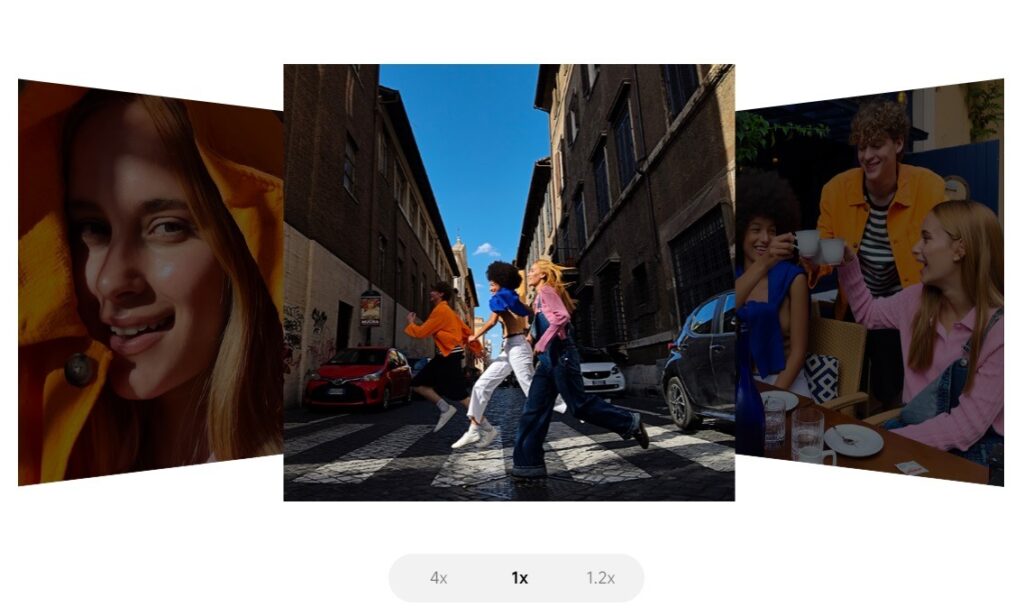
These photos are taken by professionals on tripods and heavily post-processed. Image: Xiaomi
First, promotional photos are shot by professional photographers under ideal lighting conditions with professional post-production. “Shot on smartphone” doesn’t mean that’s exactly how your photo will look. Second, marketing around smartphone cameras is full of specific lies:
- 108 MP — this is pixel binning: actual shooting happens at 12-27 MP by combining pixels. The resulting photo is softer than from a true 50 MP sensor.
- “10x optical zoom” on most smartphones is hybrid, meaning part of the magnification is digital. True optical zoom is rare and expensive.
- a sensor size of 1/1.55″ on a budget and a flagship smartphone is the same number, but the quality of the lens, processing, and algorithms is completely different.
- “professional portrait mode” is a background blur algorithm that often clips hair, ears, and collars.
The only way to evaluate photos from an Android phone camera is to look at samples in independent reviews under real conditions. Not studio shots from the manufacturer’s website, but photos taken indoors under normal lighting, outside on a cloudy day, at night without a tripod. That’s where you see the real picture.
How Many AnTuTu Points Smartphones Score
AnTuTu scores are a sport of their own. Chinese manufacturers long ago figured out how to boost results: they test smartphones in freezer conditions at sub-zero temperatures. The chip doesn’t overheat, doesn’t throttle frequencies, and scores significantly higher than in real life. It’s an open secret in the industry — everyone knows about it, but the numbers keep getting published.
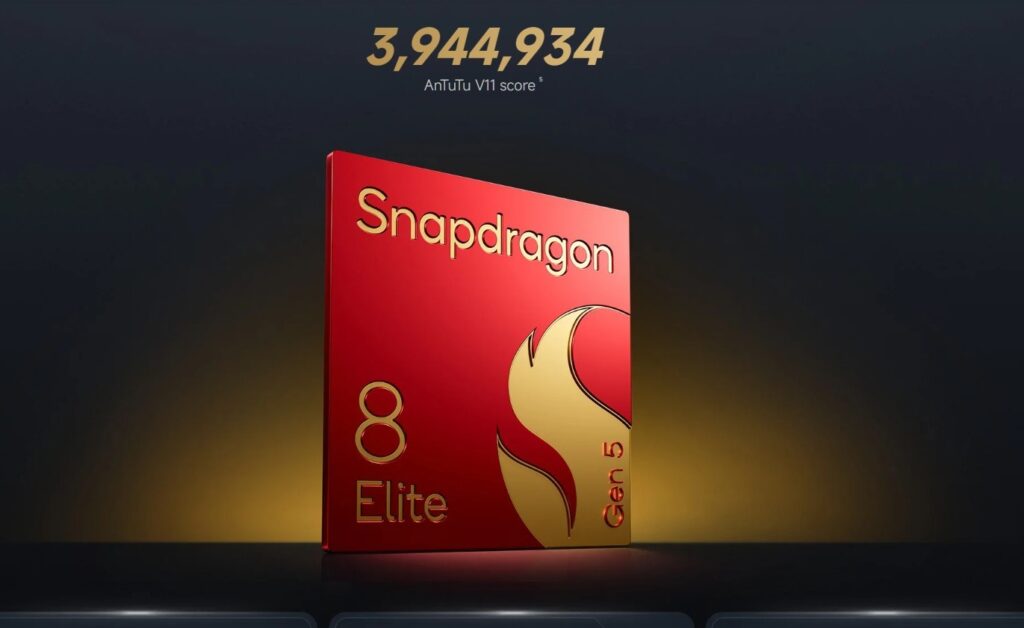
Don’t trust promised AnTuTu scores. Image: Xiaomi
The second problem: even with an honest test, the smartphone shows peak performance for only a few seconds or minutes. Then the chip heats up and throttling begins (forced frequency reduction for cooling). Real performance under sustained load can differ from the AnTuTu result by 20-40%.
What this looks like in numbers:
- a smartphone scores 1,600,000 AnTuTu points in an official test;
- in an actual gaming session after 10 minutes, performance drops to the level of a smartphone scoring 1,200,000;
- two smartphones with the same chip can behave completely differently depending on the quality of the cooling system.