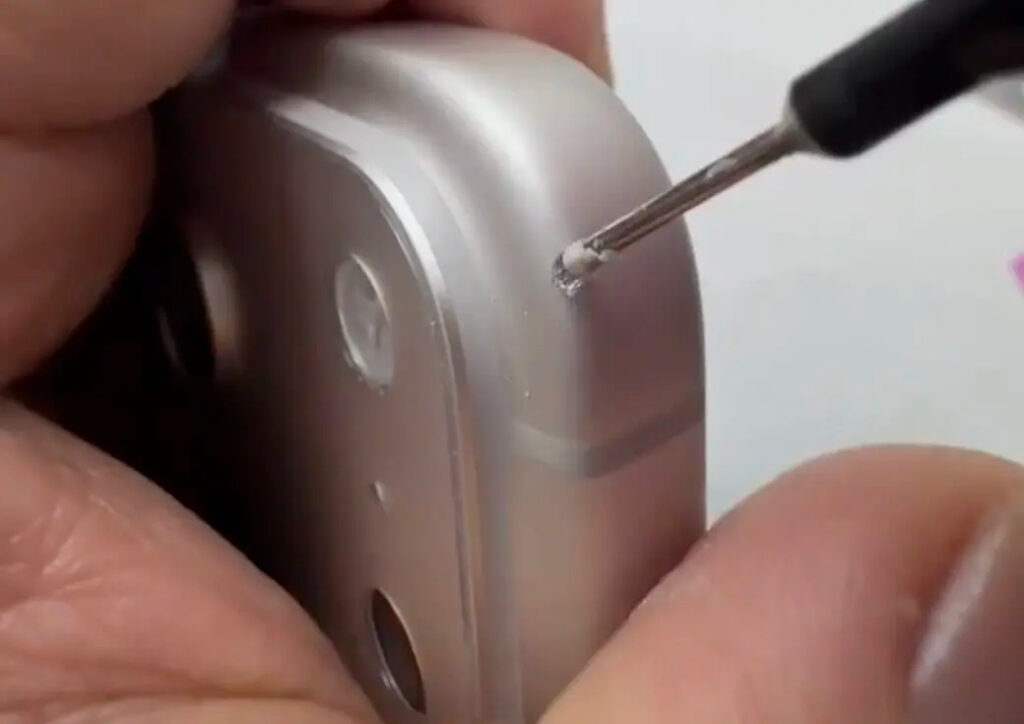
Many people are convinced: put your iPhone in a case — and that’s it, complete safety. In reality, things aren’t so rosy. I personally found out that even a quality case can not only fail to protect the side edge of a smartphone, but actually become the cause of damage. Here’s what happens with an iPhone 16 Plus even in a case. I’ll tell you how my smartphone got a noticeable scratch right inside the case — and what to do to prevent this from happening to your device.

This was my face when I took off the case
Why a Case Can Scratch Your iPhone
The situation is annoyingly simple. My iPhone 16 Plus in purple was always in a case. I never dropped it on asphalt, never placed it screen-down on concrete, and generally treated it quite carefully. But one fine day, inspecting the side edge, I discovered a noticeable mark on it — small, but very clearly visible scratch.
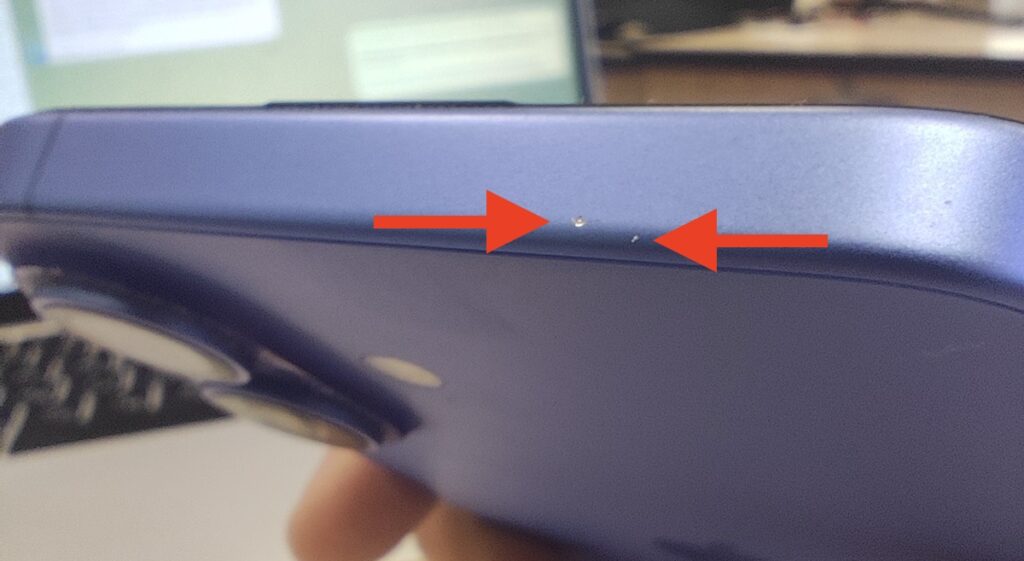
This is the surprise that awaited me under the case
How is this even possible? It’s simple. A tiny speck of debris got trapped between the case and the iPhone body. A tiny grain of sand or dust particle became wedged between the inner wall of the case and the aluminum edge of the smartphone. With every touch, every button press, every time I pulled it out of my pocket, this particle acted as an abrasive — rubbing against the surface and eventually leaving a mark.
I even know exactly when it happened. The smartphone fell onto a car floor mat — the impact was soft, practically unnoticeable. But during the fall, the case slightly separated from one corner. I didn’t think much of it, just adjusted the case and forgot about it. And that was a mistake. Apparently, that was the exact moment the fateful speck of debris got under the case and did its damage.
Which iPhone Colors Show Scratches More
Here it’s worth mentioning the color separately. The iPhone 16 Plus in purple looks stunning, but this shade has a characteristic — any damage is immediately noticeable. A scratch exposes the metal layer beneath the coating, and against the rich purple background, even a tiny dot becomes very visible.
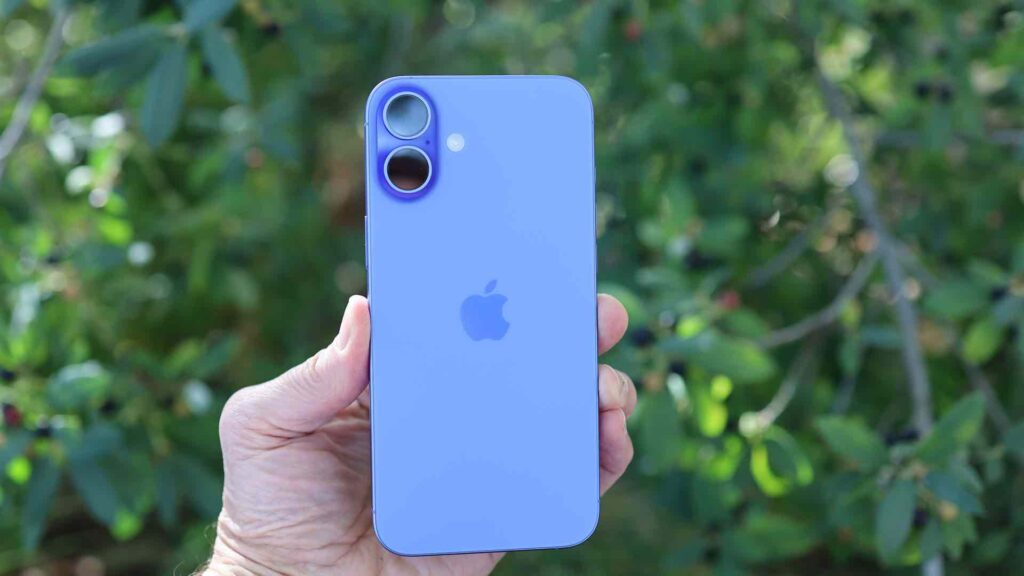
If the iPhone is colorful, scratches will be clearly visible on it
With darker colors like black, such micro-damage isn’t as critical — it blends with the overall tone. But on light and bright colors, every defect is plain to see. This applies not only to purple, but also to pink, green, and other vibrant options. Keep this in mind when choosing a color if a perfect appearance of the device is important to you.
Why Dust and Sand Appear Under an iPhone Case
It might seem like my case is an exception. But in reality, this is one of the most common causes of scratches on iPhones. If you Google the problem, you’ll find thousands of stories from users who encountered exactly the same thing. A case creates the illusion of complete protection, and the person relaxes. Meanwhile, dust, grains of sand, small crumbs, and other debris constantly get into the space between the case and the body.
This happens especially actively in several situations. First, when you place your phone on various surfaces — tables, shelves, windowsills. Small particles can get into the gap between the case and the body from the top or sides. Second, when the case slightly separates during a fall or impact — as in my case. And third, simply over time: dust penetrates through any gaps, and the longer you don’t remove the case, the more debris accumulates inside.
Those who use hard plastic cases are especially at risk. Hard material doesn’t cushion, and a grain of sand trapped underneath literally works like sandpaper. With every micro-movement, it scratches the coating. Silicone cases are slightly better in this regard — the soft material partially absorbs pressure. But they aren’t immune to the problem either.
How to Protect Your iPhone Body from Scratches in a Case
Completely eliminating the risk is unlikely, but reducing it to a minimum is entirely possible. Here are some practical recommendations.
- Regularly remove and clean the case. This is the simplest and most effective advice. Make it a habit to remove the case at least once a week, wipe the inside with a soft cloth, and also carefully wipe the side edges and back panel of the iPhone. This way you’ll remove all debris before it has a chance to cause damage. You can do this, for example, every time you charge overnight — remove the case, wipe it down, and put the phone to charge without the case.
- Choose cases with a soft lining. Some manufacturers add a layer of microfiber or other soft fabric inside the case. Such cases cost a bit more than regular silicone or plastic ones, but the difference in protection is huge. A soft lining acts as a buffer: even if a speck of debris gets under the case, the fabric won’t let it directly contact the body and scratch the coating. This is arguably the smartest investment for those who want to keep their iPhone in perfect condition.
- Wipe the side edges of your smartphone. Not just the back panel, but specifically the edges — the sides of the device. This is where the case fits most tightly, and it’s where debris causes the most damage. Use a soft lint-free cloth. Alcohol wipes also work — Apple officially allows wiping iPhones with isopropyl alcohol.
- Don’t ignore when the case comes loose. If the phone fell and you noticed the case separated from even one corner — remove it, inspect the inner surface and the iPhone body, remove any possible debris, and only then put it back on. This is exactly the mistake I made, and the result speaks for itself.
- Avoid cheap hard cases without lining. Thin plastic cases for a couple of dollars from AliExpress protect against minor scuffs from pocket contact at best. But when a grain of sand gets in, they turn into a scratch-making tool. It’s better to spend a little more and get a case with a well-designed interior lining.
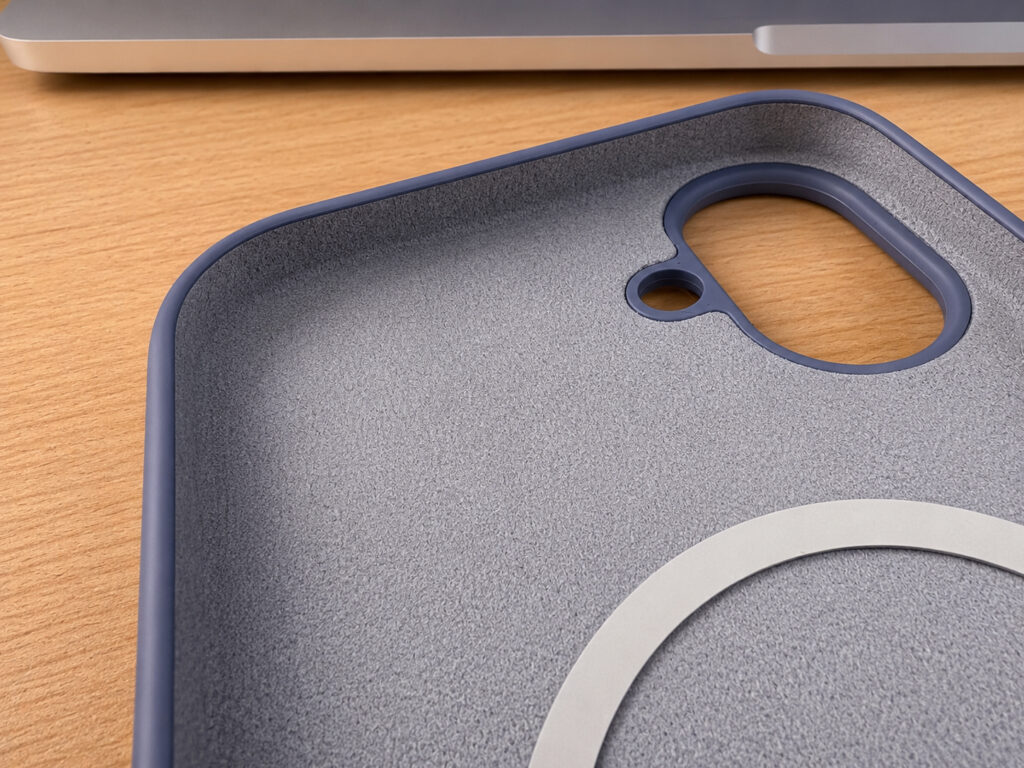
This kind of microfiber in a case will protect against scratches, but only with regular cleaning. I just switched to this kind of case
Can You Remove Scratches from an iPhone Body
Unfortunately, there aren’t many options. Minor scuffs can sometimes be masked with special polishing compounds, but a deep scratch that damaged the paint layer won’t be removed this way. You can apply a film to the side edges — it will hide the damage and protect against new ones. But restoring the factory finish at home is impossible.