The foldable iPhone, which Apple plans to unveil in fall 2026, has reportedly run into manufacturing difficulties. This time it’s not about the hinge, but an earlier stage of assembly. The launch isn’t under threat yet, but the number of alarming signals from the supply chain is growing. Some features of iOS 27, which the foldable iPhone will run on, are already known, but the device itself still has issues.
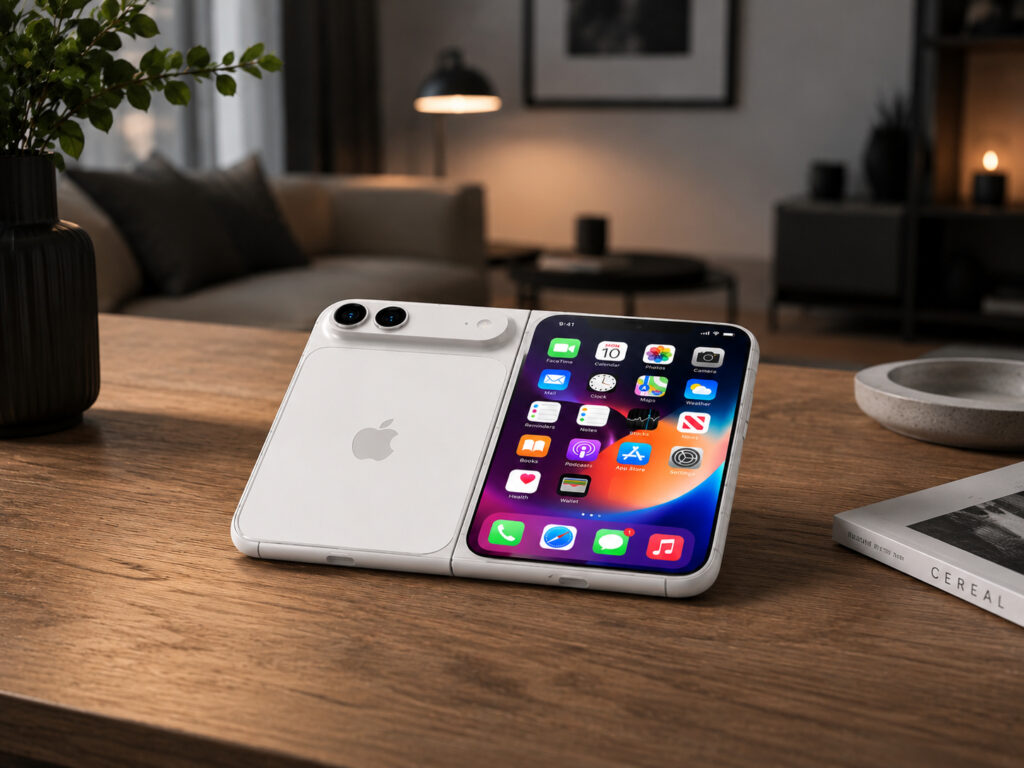
iPhone Ultra faced manufacturing problems
What Problems Were Found During Foldable iPhone Assembly
An insider under the nickname Fixed Focus Digital wrote on Weibo that Apple encountered problems at the so-called pre-assembly stage — when components are first being installed on the board. The yield rate isn’t rising to the required level: there’s too much defective product at the early assembly stage.

Apple can’t assemble the new iPhones
This is a separate issue from what was reported earlier. A few days ago, another insider, Instant Digital, reported that the foldable iPhone’s hinge wasn’t passing Apple’s tests for repeated opening and closing. He noted at the time that this problem “needs to be solved perfectly,” but it most likely won’t affect the release timeline.
It’s also worth recalling the April DigiTimes report: production was already behind schedule by about one to two months, and mass production was planned to begin in July. The same Fixed Focus Digital mentioned another risk factor in April — Apple’s negotiations with the assembly contractor over pricing.
Foldable iPhone Release Date
Despite the string of leaks, the release timeline is still holding. Mark Gurman from Bloomberg wrote in April that the foldable iPhone should launch in September 2026 alongside the iPhone 18 Pro lineup — simultaneously or slightly later. Gurman himself noted at the time: there are still six months until release, mass production hasn’t started, and the exact dates aren’t final.
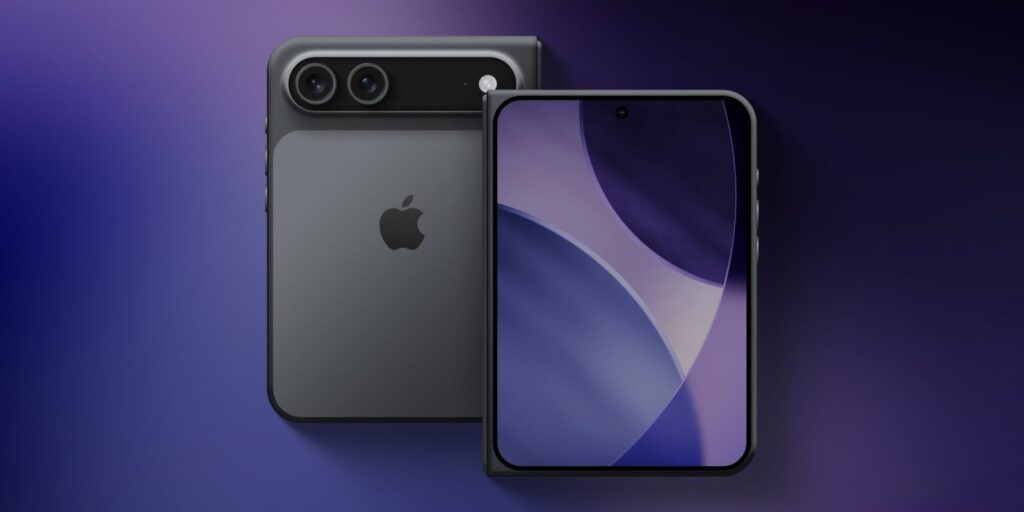
The smartphone should be unveiled in September, but when it will go on sale is a big question
What this means in practice:
- the fall launch formally remains on track
- problems are concentrated at the early assembly stages, not in final fine-tuning
- a shortage at the start of sales is possible — if yield rates don’t improve by July
- it’s too early to rule out a scenario with delayed shipments for certain batches or regions
For the buyer, this means a simple thing: even if the presentation takes place in September, the actual availability of the device in the first months may be limited.
What We Know About the First Foldable iPhone
Based on current leaks, the foldable iPhone will feature a set of specifications that explains both the manufacturing complexity and the record price tag for the lineup:
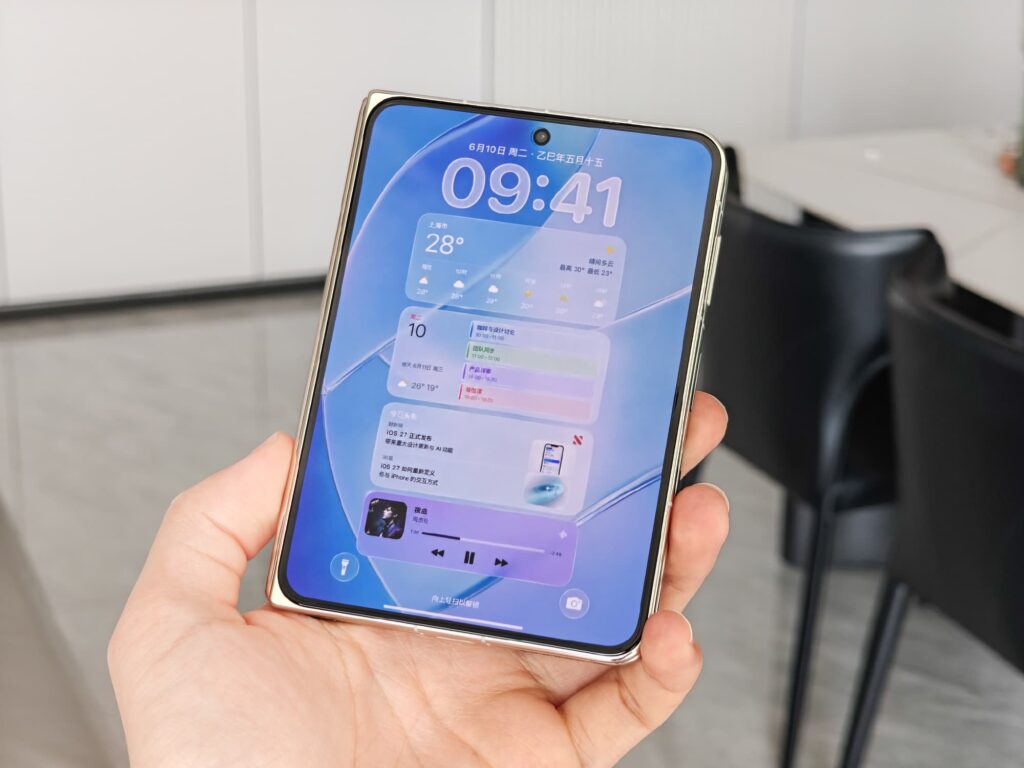
The outer screen will be small
- a 7.8-inch inner screen and a 5.5-inch outer screen
- A20 processor and Apple’s own C2 modem
- Touch ID built into the power button instead of Face ID
- two rear cameras
- estimated price around $2,000 — from 200,000 ₽ in Russia
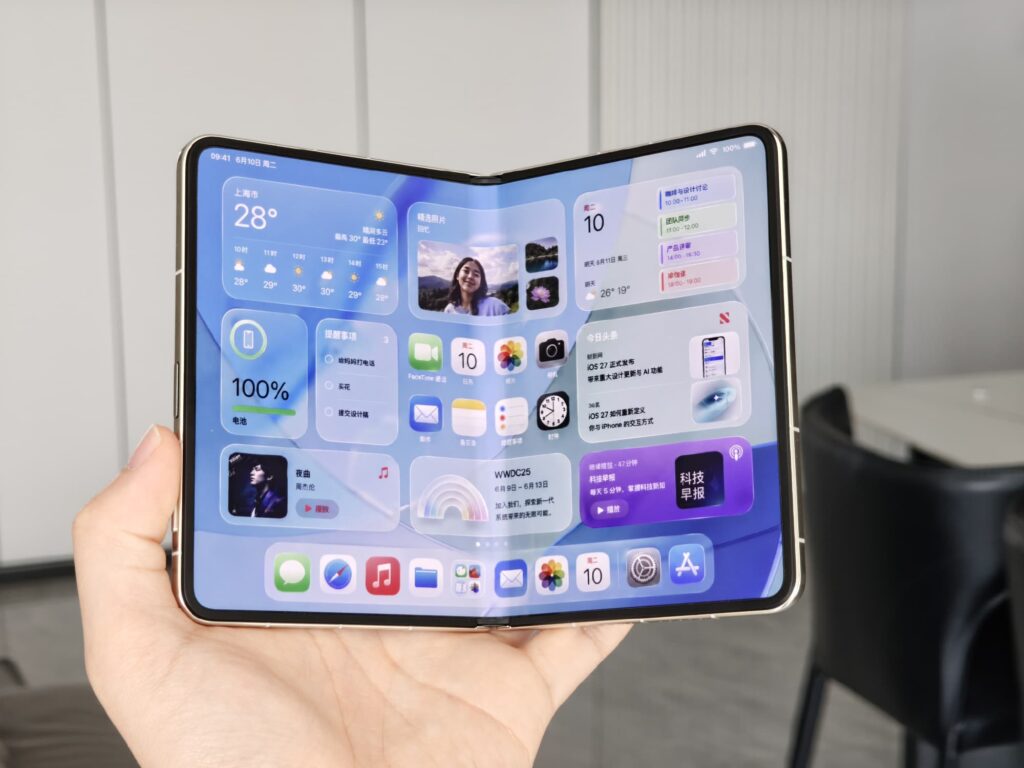
The inner screen will open up a tablet for you
Ditching Face ID in favor of Touch ID isn’t a step backward but a compromise due to body thickness: when folded, there’s simply no room for the Face ID module. Two cameras instead of three is also a consequence of the design, not cost-cutting.
How a Foldable iPhone Shortage Could Affect the Price in Russia
There’s no direct confirmation of a shortage yet, but the picture looks familiar. Low yield of working units at the pre-assembly stage, combined with hinge problems and schedule delays — this is a classic set of prerequisites for a limited first production run.
Apple already went through a similar story with the iPhone X in 2017, when the complex Face ID module couldn’t reach the required yield percentage for a long time. The device still launched on time, but in the first months it was hard to buy without waiting.
For the Russian market, this means an additional risk: parallel imports react to shortages with price increases, and the foldable iPhone in the first weeks could cost significantly more than the base estimate of 200,000 ₽. I’d bet that initially the device will reach 400,000–500,000 rubles.
Is It Worth Buying the First-Generation Foldable iPhone Ultra
In short — this is a typical case of a first attempt that will likely have rough edges. The foldable iPhone is a fundamentally new design for Apple, and similar first-generation devices from competitors almost always had weak points: hinges, screen creases, and water resistance limitations.
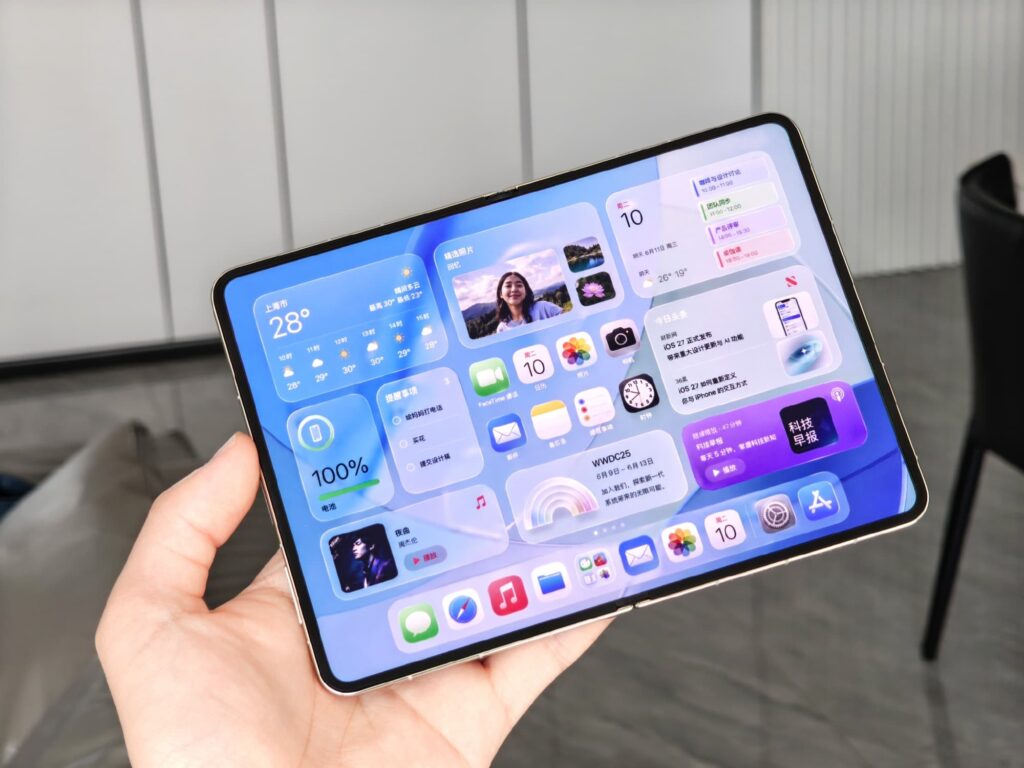
The inner screen will also be crease-free
Who should keep an eye on the release:
- those who have long wanted a foldable smartphone specifically within the Apple ecosystem
- those who are ready for a price of around 200,000 ₽ and above and aren’t afraid of a first-generation product