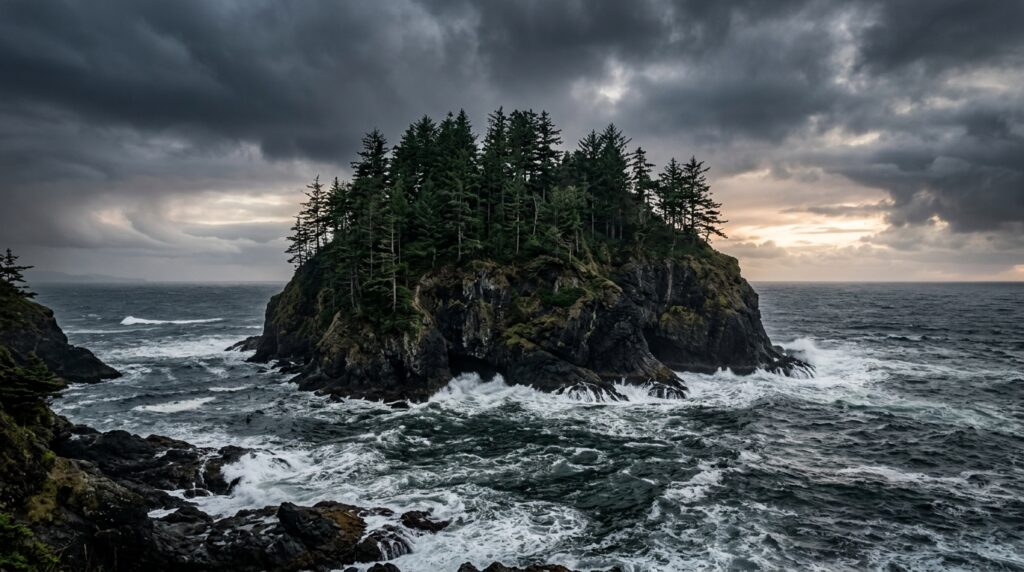
5 isolated islands where visits are strictly prohibited
Dreams of an island usually involve white sand, warm sea, and palm trees. But there are forbidden places on Earth where no amount of money will get you in, and it’s not about exclusive resort clubs. Some islands are strictly off-limits not only to tourists but even to citizens of their own countries. Some are secret facilities, others are nature reserves, and in some places, people will simply kill you with arrows. Let’s explore what these places are and why access to them is closed.
Bouvet Island in the Atlantic — the Most Remote Place on Earth
When you hear the word “island,” glaciers and snowy peaks are probably the last thing you imagine. But Bouvet Island in the southern Atlantic is exactly that. It lies approximately 1,600 kilometers from the nearest land and is considered the most remote scrap of land on the planet. For comparison, Point Nemo is even farther from land, but that’s a patch of ocean, not an island.
This shield volcano-formed island is covered in glaciers and lacks all the usual amenities: there’s no electricity, no airport, and no harbor — just icy water where it’s nearly impossible to dock a boat. However, Bouvet is regularly home to seals, penguins, and seabirds. That’s why Norway strictly limits access — to preserve the fragile ecosystem and wild animal populations. The island has been declared a nature reserve.
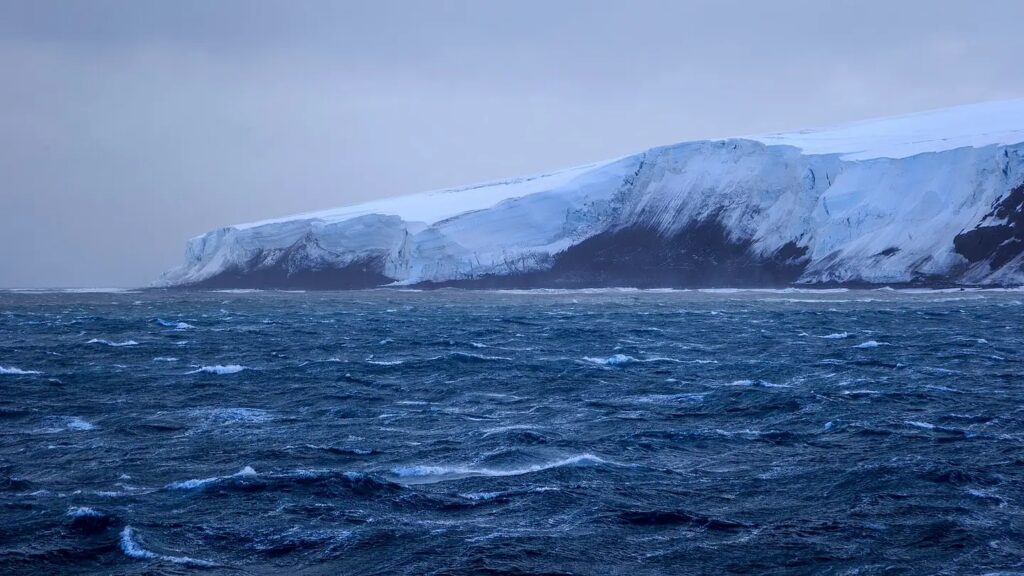
Bouvet Island, Norway
North Sentinel Island and a Tribe Isolated for 60,000 Years
You might not have known about the Andaman and Nicobar Islands in India, but you’ve probably heard the story of an American who tried to introduce an isolated tribe to a can of cola. The scene of this incident was North Sentinel Island, and it’s only about 30–50 kilometers from popular tourist spots like Port Blair.
The real isolation here isn’t about distance. The Sentinelese have been cut off from the rest of humanity for up to 60,000 years — so long that their culture and even genetics differ noticeably from modern humans. That’s why the island is closed: it’s a matter of survival. The Indian government has banned landing there to protect both the tribe and outsiders.
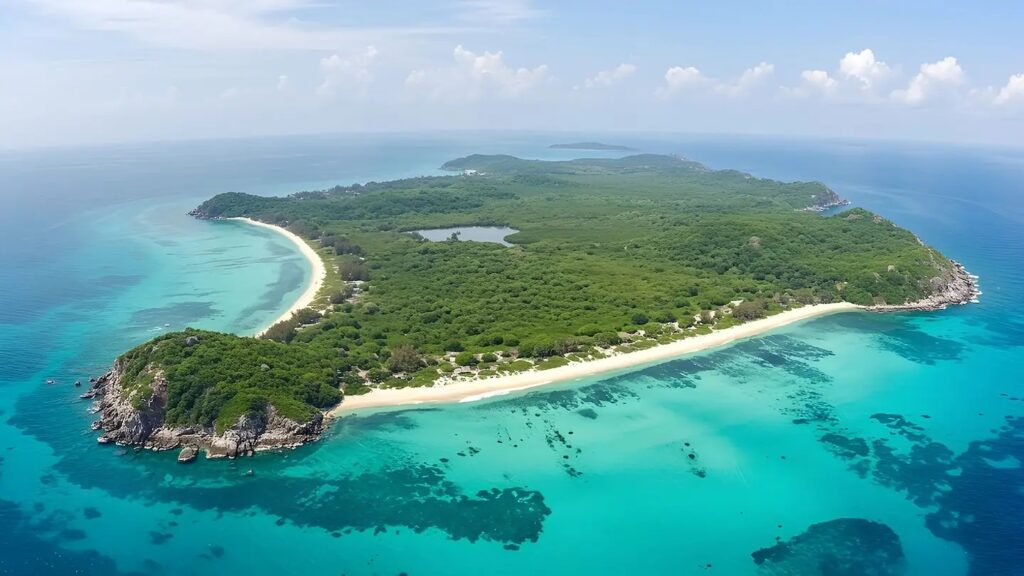
North Sentinel Island, India
There are two reasons for the ban, and both are serious. First, the Sentinelese fiercely defend their island with bows and arrows, greeting any outsider with hostility. Second, they have no immunity to our everyday viruses — a simple handshake or a sip from a shared bottle could accidentally wipe out the entire tribe.
Niihau — Hawaii’s “Forbidden Island” in Private Ownership
Hawaii has an island where you won’t find a single tourist on its shore — Niihau, nicknamed the “Forbidden Island.” It lies so close to Kauai that its silhouette is visible from boat tours along the Na Pali coast. And yet you still can’t get there.
Access is open only to residents, invited guests, and the owners — the Robinson family. When the Robinsons purchased Niihau in the 1860s, they made a promise to keep the island in seclusion and put the traditional Hawaiian way of life above outside influence. Here the reason for the ban isn’t a cultural taboo but a given word: no resorts, no outsiders, no tours — just untouched nature.
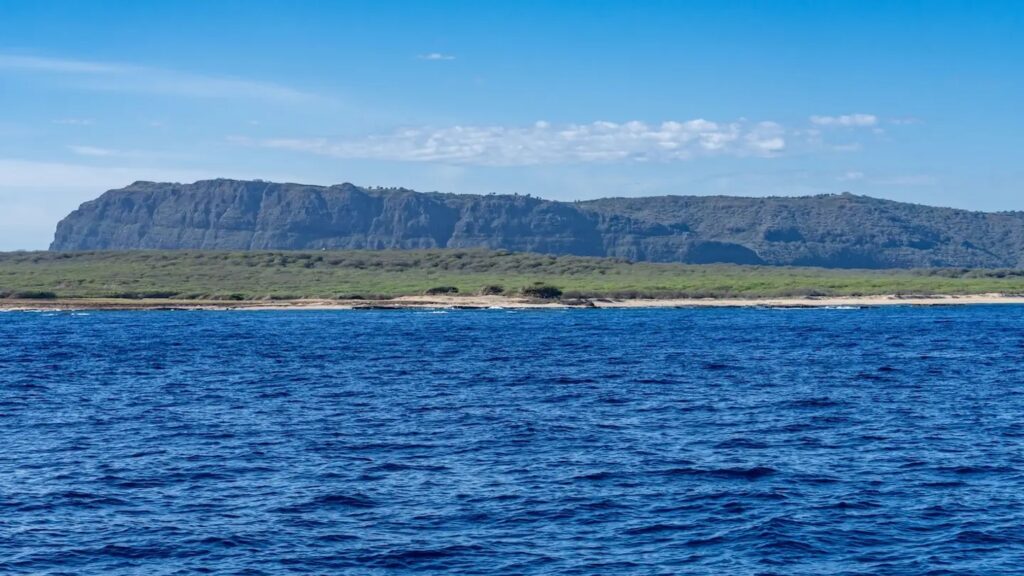
Niihau, Hawaii
Snake Island in Brazil — One of the Most Dangerous in the World
The word “remote” doesn’t always mean “dangerous,” but “snake” almost always does. The Brazilian island Ilha da Queimada Grande, which translates as Snake Island, is the only place on this list whose restricted status you’ll actually be glad about.
The island is located approximately 145 kilometers off the coast of São Paulo and harbors one of the highest concentrations of venomous snakes on the planet, including the infamous golden lancehead viper — the island bothrops. Snakes rule here, not people: Brazilian authorities keep the island locked down and allow only a few researchers in — with a special permit and always accompanied by a doctor.
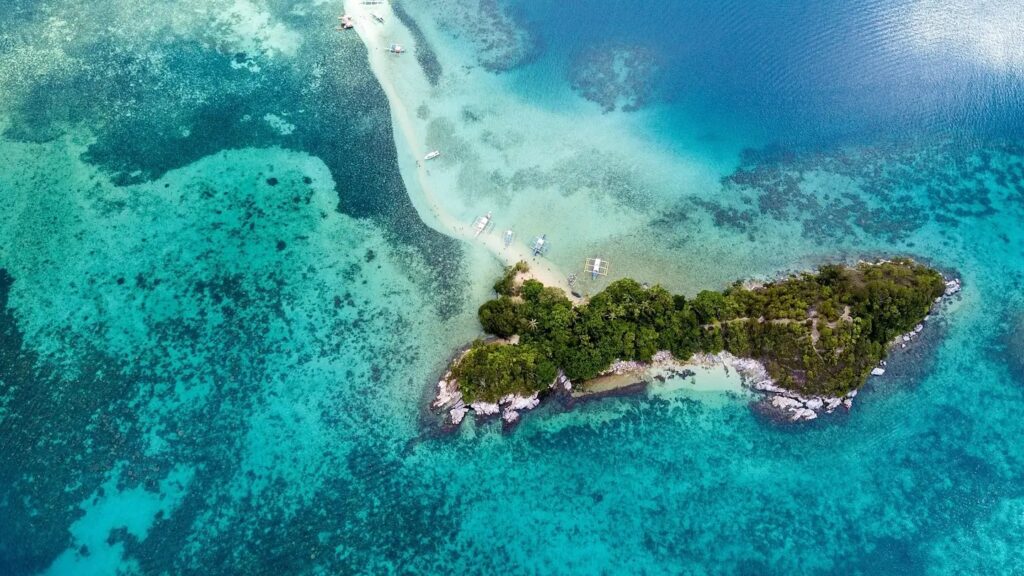
Snake Island, Brazil
North Brother in New York — an Abandoned Quarantine Island
Manhattan isn’t the only island in New York. Right in the East River strait lies a creepy abandoned patch of land that served as a hospital for patients with infectious diseases from the 1880s until the mid-20th century — North Brother Island. Today there isn’t a single living soul here, just crumbling buildings gradually being swallowed by the forest.
Officially the island belongs to the Bronx borough, but it’s not on any tourist routes. The city has closed access to it for decades, and for good reason: the island serves as a refuge for nesting birds and simultaneously acts as a safety buffer for people. The half-collapsed buildings on shore are too dangerous to allow the public in.
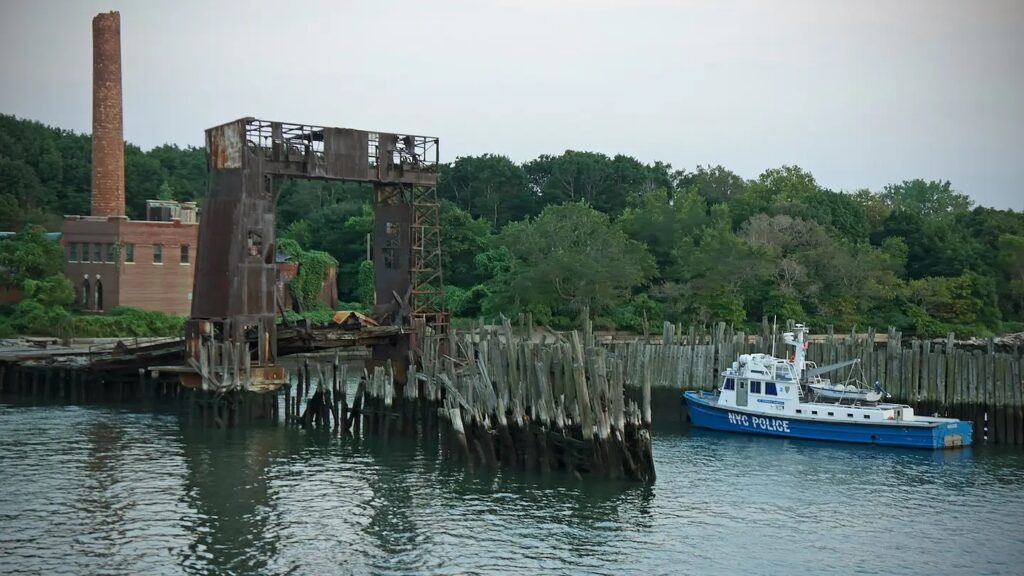
North Brother Island, New York
These five islands are forbidden for very different reasons: fragile nature, an isolated tribe, a private promise, deadly snakes, and dangerous ruins. But in every case, the ban protects either people, a unique ecosystem, or both at once. Sometimes the most respectful thing a person can do with a place is to leave it alone. And the story of the Sentinelese reminds us that inviolability can be literally a matter of life and death.