The foldable iPhone has appeared in photos, and an unexpected cooling system was found inside. It seems Apple is preparing for fall its most expensive smartphone ever — and isn’t cutting corners on engineering. Just recently, case manufacturers showed the final design of the iPhone Ultra, and now fresh details have arrived. In a single Monday, several Chinese insiders shared information about the foldable iPhone. And for the first time, we saw not only specifications but also a real image of the device. Let’s break down what was shown, what to believe, and what to take with a grain of salt.
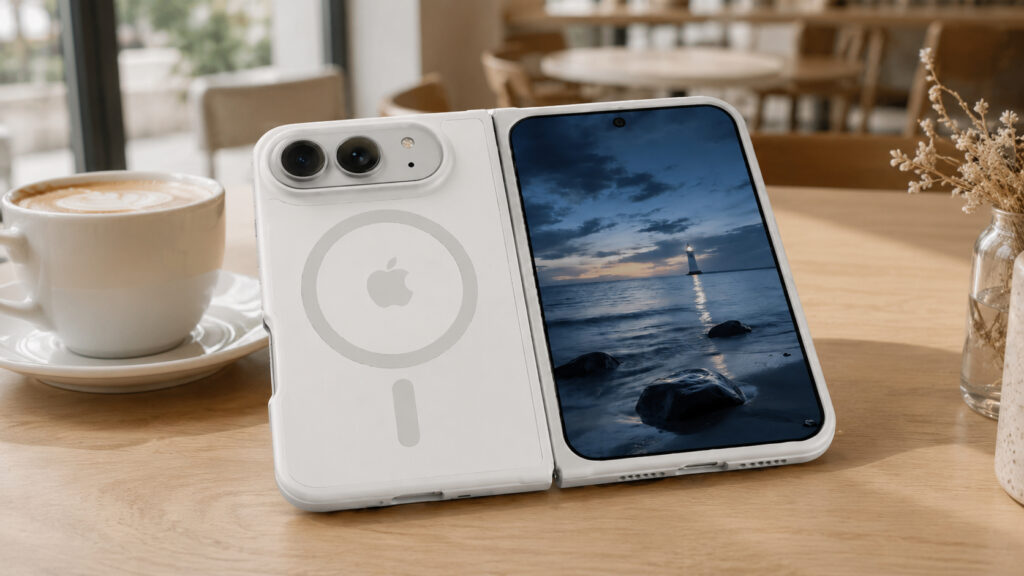
The iPhone Ultra will indeed come in white
What the First Foldable iPhone Will Look Like
The main visual news came from the Chinese social network Weibo. Well-known insider Ice Universe published a photo of a white foldable iPhone. The image shows a device with a white back panel, two camera modules, and a nearly bezel-less front.
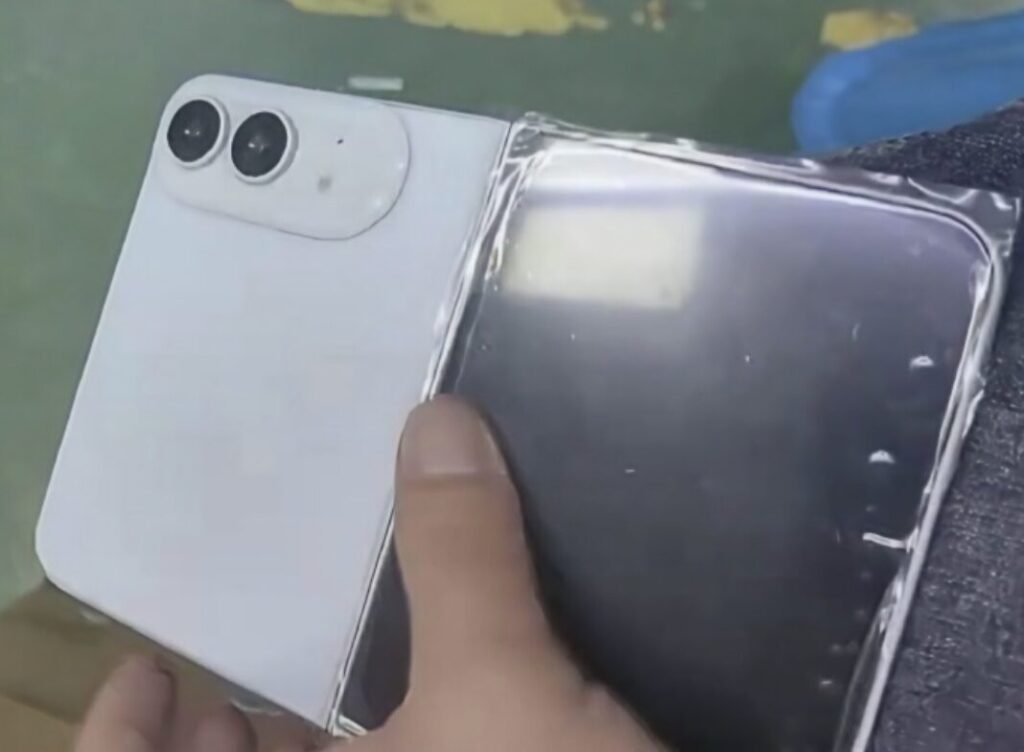
The image isn’t great quality, and the smartphone itself looks plastic
Let’s be clear right away: it’s too early to celebrate. A protective film on the front makes it hard to judge the bezel thickness, and the body itself looks almost plastic. So there’s a possibility that what we’re looking at is not a working prototype but a third-party dummy mockup. These models are made based on leaked blueprints to test cases and accessories.
There’s another nuance too. Ice Universe has a solid reputation in Apple circles, but there’s only one shot from a single angle. If the insider had real access to the device, you’d logically expect more photos. Still, the image matches previously published blueprints from Sonny Dickson dating back to March 2026: the same horizontal block with two cameras, the same wide “book” form factor.
iPhone Ultra Cooling: How It Differs from Regular iPhones
The most fascinating part of this wave of leaks is technical. Another Weibo insider, Fixed Focus Digital, reported that the foldable iPhone will feature a vapor chamber cooling system. According to him, the thermal performance is “quite impressive,” and Apple is “going all out” on thermal engineering. Previously, no one had attributed this feature to the foldable iPhone.
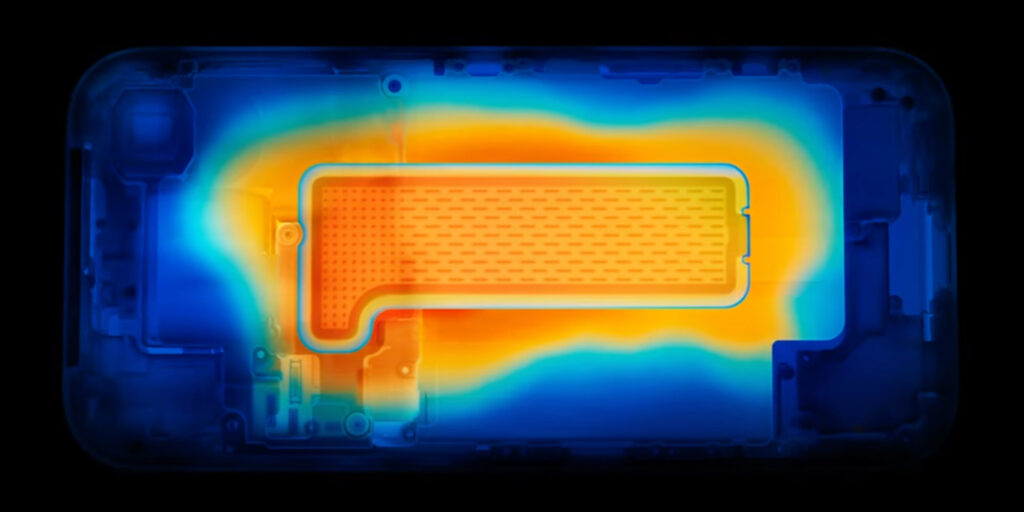
The Ultra will have a vapor chamber, like the Pros
If you’ve been following the lineup, you’ll remember: Apple first used a vapor chamber in last year’s iPhone 17 Pro. The system circulates a small amount of deionized water, draws heat away from the chip, and distributes it across the aluminum body. According to Apple, this delivered 40% higher sustained performance under heavy workloads compared to the graphite solutions in previous Pro models.
Why is this surprising right now? The foldable iPhone is designed to be about 4.5 mm thick when unfolded. Meanwhile, the similarly thin-philosophy iPhone Air lacks a vapor chamber. So having such a system in an even more compact body is far from obvious. Add in the titanium frame, which raises its own heat dissipation questions, and the engineering challenge becomes truly serious.
By the way, Apple is following a broader trend here: similar solutions are already being used in top-tier Android flagships like the Samsung Galaxy S26 Ultra. Foldable smartphones are particularly hard to cool — two halves and a hinge leave very little room inside.
What Colors Will the iPhone Ultra Come In
The color palette remains modest for now. Insider Instant Digital claims that the only confirmed color is white. The second option remains unclear.
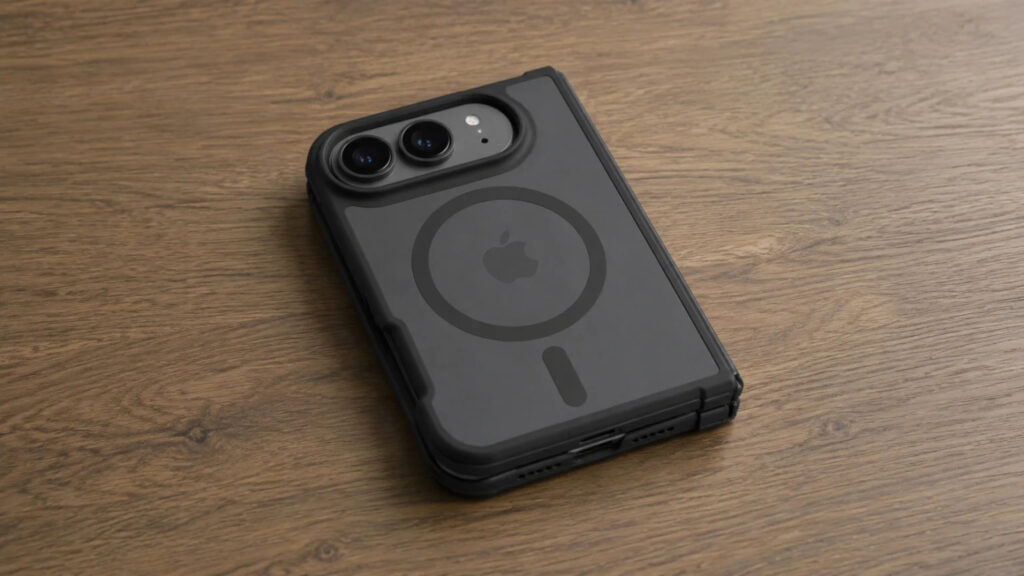
In addition to white, the smartphone will also come in black
Opinions differ:
- A supply chain source cited by Macworld mentioned a light blue shade — different from the deep blue of the iPhone 17 Pro.
- Later, talk emerged about a saturated blue or indigo instead of dark gray.
- Mark Gurman from Bloomberg believes Apple will stick with the classics — Space Gray or silver.
The minimal color approach is reminiscent of the original iPhone X: back in 2017, it launched in just two variants — silver and Space Gray. And it’s likely not just about aesthetics. Analyst Ming-Chi Kuo warns that manufacturing difficulties will keep supplies scarce at least through the end of 2026. Extra colors mean extra assembly variants, which means additional headaches on an already challenging production line.
Specs and Price of the Most Expensive iPhone
Rumors paint a picture of a “phone-tablet” class device. Here’s what we expect based on the combined leaks:
- A 7.8-inch internal display — close in diagonal to the iPad mini.
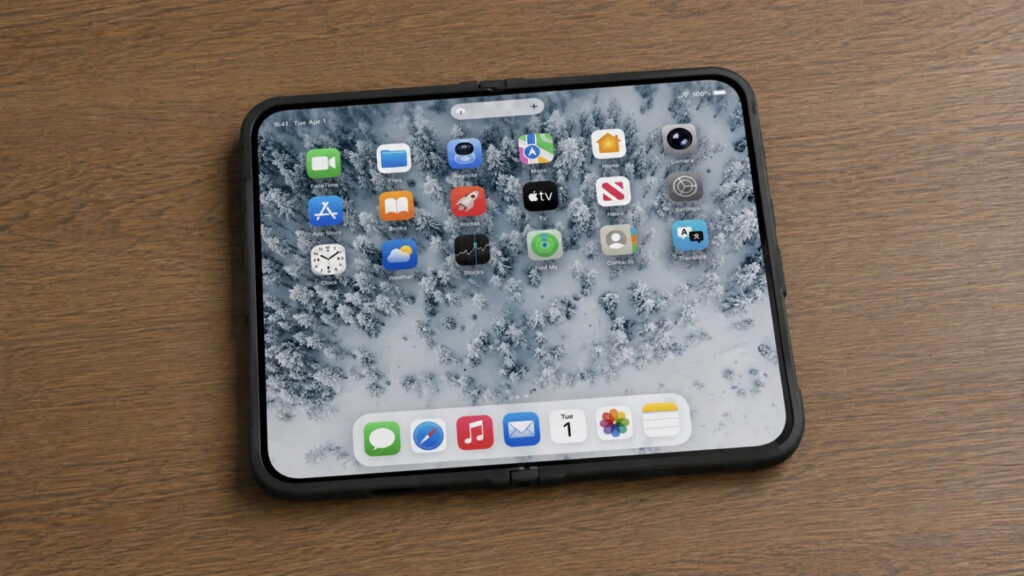
The internal screen will resemble a tablet
- A 5.5-inch external screen for quick actions.
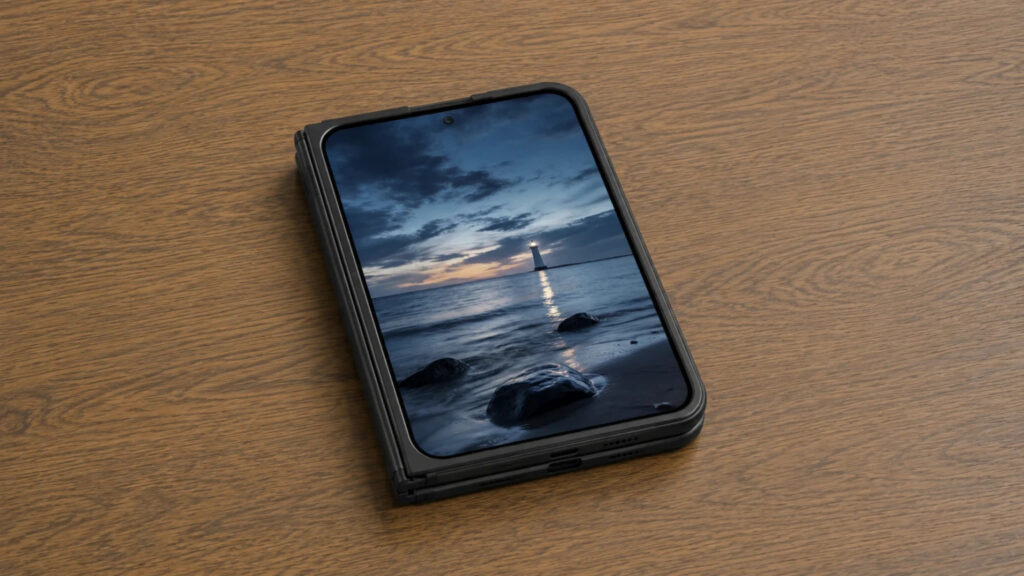
The external screen will be small
- A20 chip on a 2nm process and C2 modem.
- Up to 12 GB of RAM.
- Touch ID instead of Face ID.
- Two rear cameras: 48 MP main and 48 MP ultrawide.
- A large battery — estimates range from 5,000 to 5,800 mAh.
Thickness when unfolded is about 4.5 mm, and when folded approximately 9–9.5 mm. The screen fold angle is promised to be less than 2.5 degrees, so the crease should be nearly invisible. Some leaks suggest the screen will also be the most repairable among foldables.
For the sake of thinness, Apple will sacrifice a lot. In addition to the familiar Face ID system, the foldable iPhone may also lack a telephoto camera, MagSafe, the Action button, and a physical SIM slot. The price for all this won’t be cheap: a starting price of around $2,000.