More and more smartphones support eSIM, and Apple has completely eliminated the physical slot for a SIM card in the iPhone Air, while in the iPhone 17 Pro Max with eSIM only, they managed to fit a larger battery. But does this mean it’s time to urgently switch to a virtual SIM? Let’s figure out how the two formats differ, what the real pros and cons of each are, and which option suits whom best.
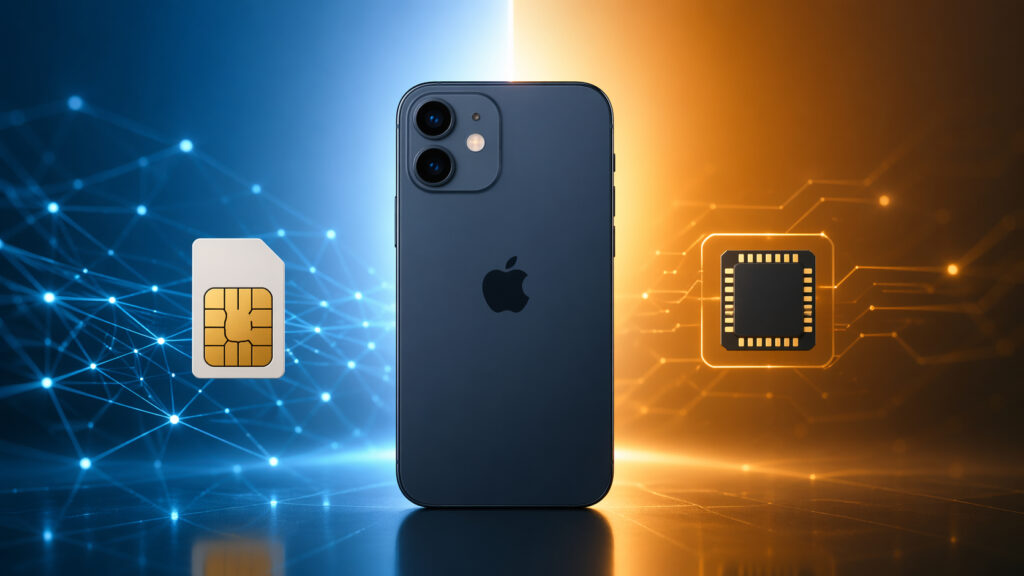
Which choice did you make: SIM or eSIM?
Differences Between eSIM and a Regular SIM Card
A regular SIM is a plastic card with a chip that needs to be physically inserted into the phone. eSIM is a miniature built-in chip that’s already inside the device from the factory. To make it work, you just need to load the carrier’s data into it: scan a QR code or set it up through an app.
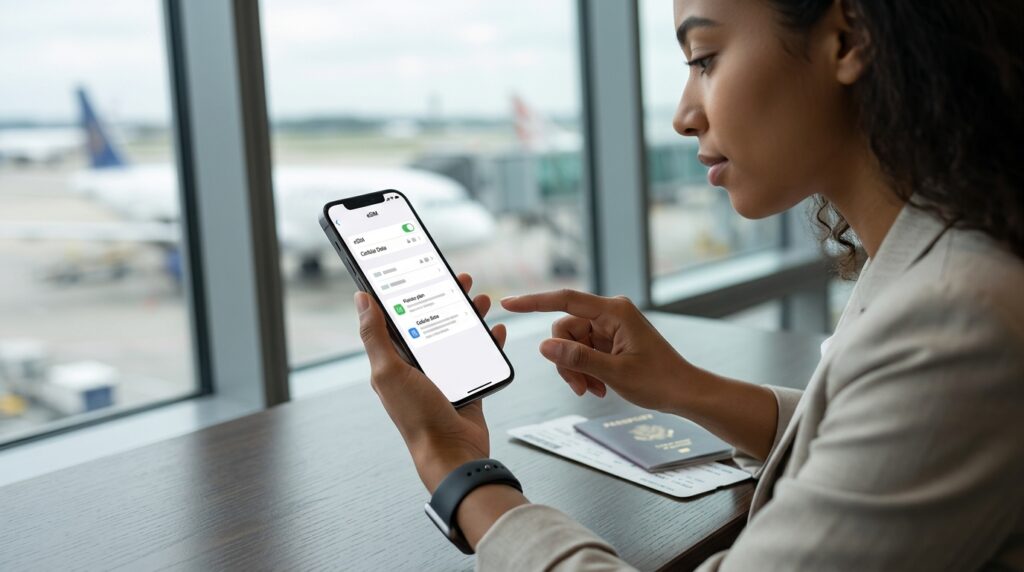
eSIM or regular SIM card: which is better?
In terms of call quality, there’s no difference between them — internet speed and call clarity are identical. The differences concern the activation method, convenience of transferring between devices, and compatibility with different gadgets.
Here are the main differences:
- Size. eSIM — 6×5 mm, nano-SIM — 12.3×8.8 mm. The virtual chip is almost four times more compact.
- Activation. A physical card needs to be picked up at a store or from a courier. eSIM can be set up online in just a few minutes.
- Transfer. A regular SIM can easily be moved to another phone. eSIM needs to be reconfigured on a new device.
- Number of lines. Physical cards — one or two, depending on the slots. You can store up to ten eSIM profiles, although no more than two can be active simultaneously.
- Compatibility. A physical SIM works in almost any phone, including old and feature phones. eSIM — only in flagships and mid-range smartphones from recent years.
Advantages of eSIM Over a Physical SIM Card
The virtual card has several strong points that are especially noticeable in certain scenarios.
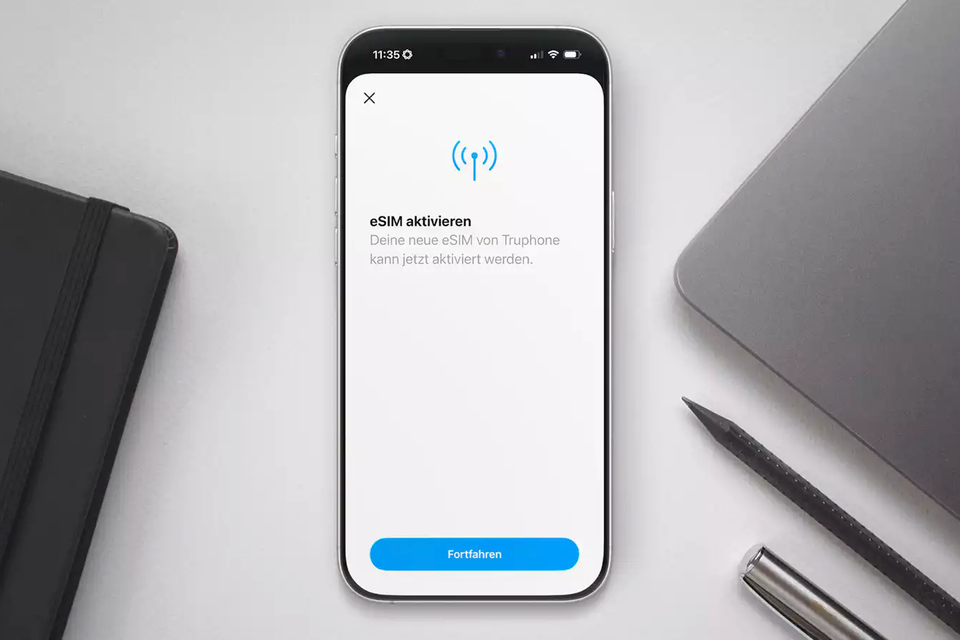
Added eSIM in settings and no need to poke around with a pin
Quick activation without visiting a store. Just open the carrier’s app or scan a QR code — and in a few minutes, the number is already working. You can also switch carriers online, without trips or waiting for a courier.
Convenience while traveling. A local plan from another country can be activated while still at home, and the internet will start working as soon as you land. Meanwhile, your main number stays active — you continue to receive SMS from banks and important calls while using local internet. No need to search for a carrier store at the airport or carry a stack of physical cards with you.
Two active numbers on one phone is another convenience. You can keep work and personal numbers simultaneously, and on weekends simply disable work connectivity in settings.
Security is also higher: eSIM cannot be removed from the phone. If the device is stolen, the attacker won’t be able to move your SIM to another device and gain access to calls and SMS codes. And you can remotely delete the profile through the carrier.
Finally, the chip’s compactness allows manufacturers to increase battery size or make the body thinner. Without extra openings, the device is better protected from moisture and dust.
Drawbacks of eSIM You Should Know About
Despite all the advantages, the virtual card has limitations that can be critical.
Not all devices support it. In budget and older phones, eSIM is a rarity. If you have an affordable smartphone, chances are only a regular SIM will work.
Not all carriers work with eSIM, especially regional and smaller companies. In some countries, there are legislative restrictions — for example, in China, local carriers only transitioned to eSIM in the fall, and even then with great reluctance.
It’s harder to transfer a number to another device. A physical SIM can simply be removed and inserted into another phone — for example, if yours has died and you urgently need to make a call. With eSIM, that won’t work: the profile needs to be set up again, and it will stop working on the old device.
There are also temporary limitations during activation: incoming and outgoing SMS may be unavailable for the first 12 hours, and mobile commerce services — up to 24 hours. For the initial eSIM setup, you need internet — Wi-Fi or a mobile network from another number. Without a connection, you won’t be able to activate the profile.
Pros and Cons of a Regular SIM Card
The regular SIM still has its strong points.
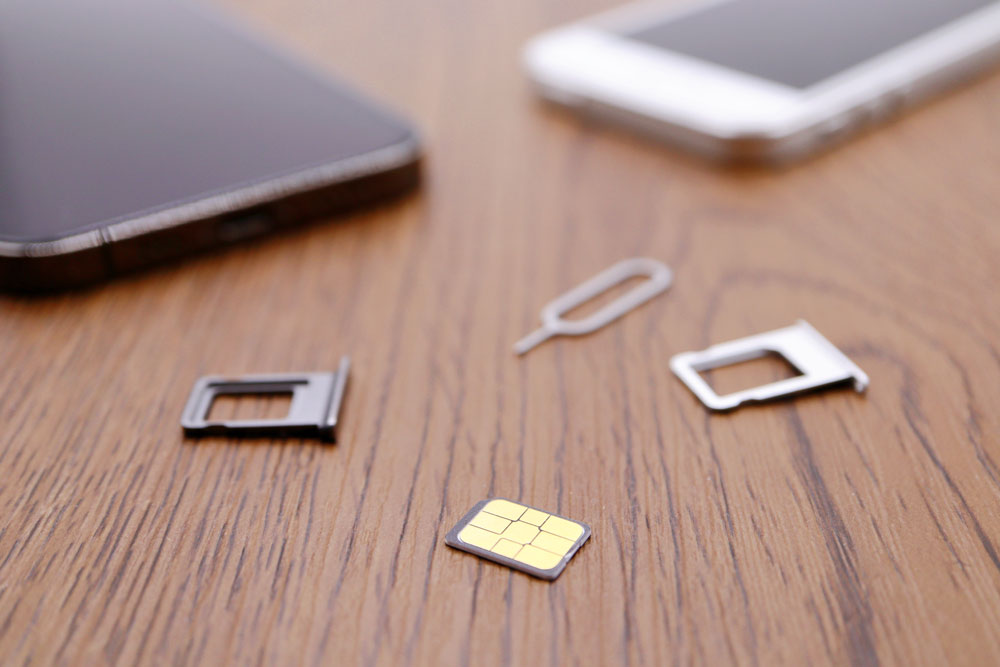
A physical SIM is easy to swap between any devices
Universal compatibility is the main argument. A physical card works in virtually any phone: from a flagship to an old feature phone. There are minimal exceptions so far — only the iPhone Air or other iPhone models from certain countries have completely eliminated the slot, for example.
Setup is elementary: buy the card, insert it into the phone — and you’re immediately on the network. No internet needed, no apps or QR codes.
But there are downsides too. The tiny nano-SIM is easy to lose, especially if you frequently swap cards between devices. You can’t restore the number remotely — which means you could be left without access to banking SMS while traveling.
A stolen SIM can be used: the attacker removes the card, inserts it into another device, and gains access to your calls and verification codes. The protection is to set a PIN code on the SIM card in the phone’s settings. To switch carriers or replace a card, you’ll need to visit a carrier store or order delivery.
Who Should Choose eSIM and Who Should Stick With a Physical SIM Card
The choice depends not on technology trends but on specific needs and devices.
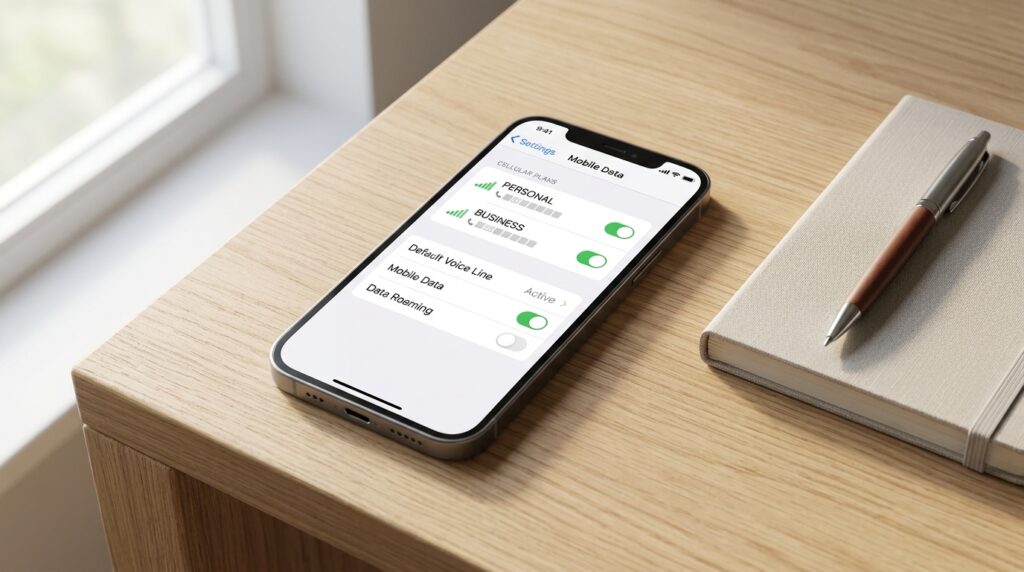
Two active numbers on one iPhone — one of the most popular scenarios
eSIM is more convenient in the following cases:
- You travel frequently and want to connect local plans without searching for carrier stores at the airport.
- You need two numbers on one phone — work and personal.
- You bought a gadget without a physical slot — for example, iPhone Air.
- You want to enhance security: eSIM cannot be removed from a stolen phone.
- You need to issue corporate SIM cards to employees.