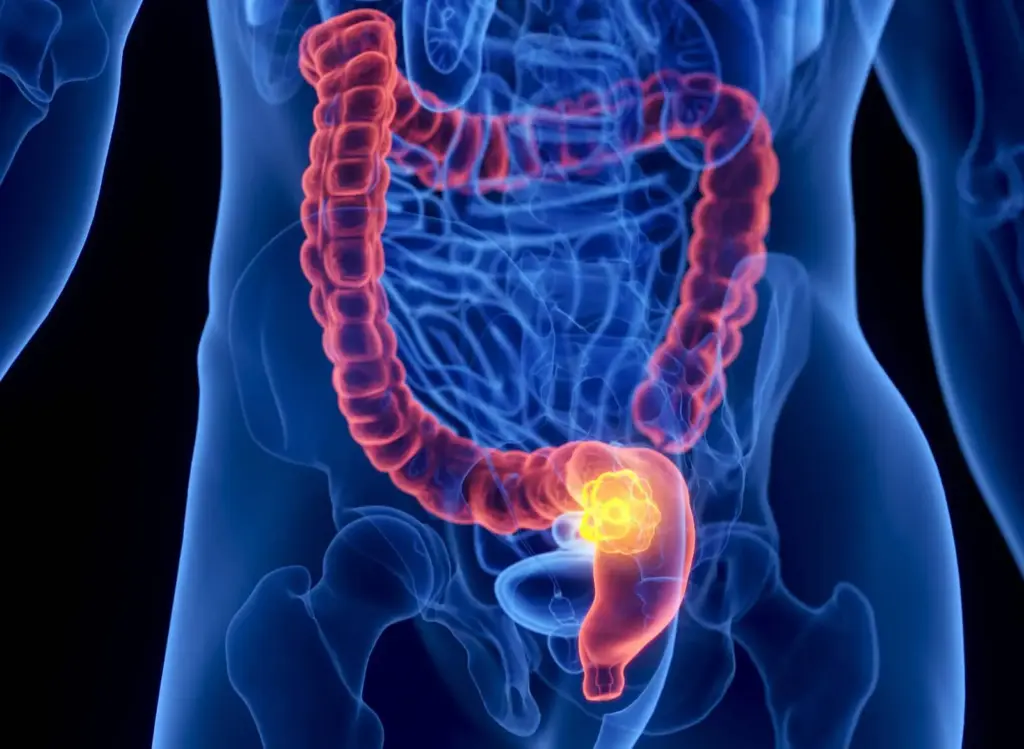
Scientists are sounding the alarm about colorectal cancer in young people
Just 20 years ago, colorectal cancer was considered a disease of the elderly. Doctors were confident: check your colon after 55, remove polyps, and the problem is under control. Two fresh reports from the American Cancer Society have turned this picture upside down. It turns out that among Americans under 50, colorectal cancer has become the leading cause of cancer death, surpassing both lung cancer and breast cancer. And this trend extends beyond the United States.
How Colorectal Cancer Overtook Lung and Breast Cancer Among Young People
According to ZME Science, the overall picture looks encouraging: over the past 30 years, cancer mortality among people under 50 in the United States has dropped by 44%. Deaths from leukemia, brain tumors, lung cancer, and breast cancer have decreased. But there is one exception that goes against the general trend.
Colorectal cancer mortality in this age group has been rising by 1.1% annually, and this has been the case since 2005. In the early 1990s, it was fifth in mortality among young people, and by 2023, it became first. Incidence among people aged 20 to 49 is increasing by about 3% per year.
The numbers may sound abstract, but here’s what’s behind them: in 2026 alone, approximately 158,850 new cases of colorectal cancer are expected in the United States. Every day, 200 people under the age of 65 will receive a diagnosis.
Scientists describe what is happening as a “cohort effect”: people born after 1950 develop colorectal cancer more often than previous generations at the same age. Moreover, experts expected this cancer to become the leading cause among young people by 2040–2050, but it happened significantly earlier. The research results have been published in the journal CA: A Cancer Journal for Clinicians and as a research letter in JAMA.
Risk Factors: Diet, Obesity, and the Gut Microbiome
No single specific cause for the rise has been found yet. Younger generations smoke less, so logically, they should get sick less often. But researchers point to a whole range of factors that act simultaneously.
A diet high in ultra-processed foods, red meat, and sugar combined with a lack of fiber, vegetables, and fruits is one of the most discussed factors. The colon is in constant contact with digestive products, and what we eat directly affects the bacteria inside the gut.
Obesity is another established risk factor. According to the American Cancer Society’s estimates, about 55% of colorectal cancer cases can be linked to a combination of several factors: sedentary lifestyle, excess weight, alcohol, smoking, and a lack of fiber in the diet.
Some researchers are also studying the possible role of microplastics and frequent use of antibiotics, as they can alter inflammatory processes and the bacterial balance of the gut. However, these hypotheses have not yet been definitively confirmed, and scientists emphasize the need for further research.
It’s important to understand that traditional risk factors were studied in elderly patients. Younger generations grew up in a different environment — with different diets, different ecology, and a different microbiome. That is precisely why scientists cannot yet say exactly what triggered the rise in incidence.
Colorectal Cancer Among Young People in Russia: The Trend Is Also Noticeable
This trend is not limited to America. According to the World Health Organization, the rise in colorectal cancer incidence among young people has been documented in several countries around the world. In Europe, a study of national cancer registries in 20 countries from 2004 to 2016 showed a significant increase among people aged 20 to 49.
Russia has its own particularities. Of the 47,630 patients with colon cancer identified in 2023, more than 6% were people under 50. The average age of colorectal cancer patients in the country is 67–68 years, and it has remained virtually unchanged over the past ten years. However, the global trend toward younger onset of the disease also affects Russia, especially in major cities.
Colorectal cancer in Russia is among the top three most common cancers. According to WHO data for 2022, among Russians of both sexes, it ranks first in prevalence with a share of 13.2%.
Why Three-Quarters of Young Patients Learn About Colorectal Cancer Too Late
A separate problem is late diagnosis. About 75% of people under 50 are diagnosed when the cancer has already spread beyond the intestine. And the prognosis directly depends on the stage: for a localized tumor, the five-year survival rate is about 91–95%, but with metastases to distant organs, it drops to approximately 15–16%.
Symptoms of colorectal cancer are easily confused with common digestive disorders:
- blood in the stool
- abdominal pain
- persistent fatigue
- unexplained weight loss
- changes in bowel habits — constipation or diarrhea
Many young people are embarrassed to discuss bowel problems with a doctor. And when they finally do, doctors often attribute the complaints to stress or irritable bowel syndrome because they are accustomed to thinking of colorectal cancer as a disease of the elderly.
In the United States, the recommended age to begin screening has already been lowered from 50 to 45. But even among people aged 45–49 who are formally eligible for screening, only 37% have been screened. Half of all diagnoses under 50 fall precisely in this age group, and many of these cases could have been caught earlier.

Colonoscopy is the primary method for early detection of colorectal cancer
What You Can Do Right Now to Reduce Your Risk of Colorectal Cancer
Scientists honestly acknowledge that there is no single magic cause and no simple solution. But everyone can reduce their risks right now.
The main recommendations are simple, although following them is harder than it seems. Less processed meat and fast food, more vegetables, fruits, and fiber. Maintaining a healthy weight and physical activity — these are not empty advice but factors with a proven link to colorectal cancer risk. Limiting alcohol also matters.
It’s also worth knowing your family history. If close relatives have had colorectal cancer, screening is recommended to start earlier, around age 40 or 10 years before the age at which the disease was detected in the relative.
And most importantly, do not ignore symptoms. Blood in the stool, prolonged changes in bowel habits, unexplained weight loss — all of these are reasons to see a doctor, even if you are 30 years old.
Colorectal cancer has long remained out of the public spotlight precisely because it was associated with elderly people. New data are breaking this stereotype. Scientists still need to understand what exactly triggered this rise among younger generations. But while research continues, early diagnosis and attention to one’s own health are the best tools we have.