6 cities where cars are banned: where the people of the future live
Try to remember the last time you spent an entire day without hearing a single car horn. Most likely, it was somewhere far from civilization — in the mountains or on a deserted shore. But in the world, there are inhabited cities and islands where cars are completely banned — and people live there not in spite of this, but because of it. Some gave up automobiles over a hundred years ago, others did so for clean air and tourism. Car-free cities of the future have long been discussed as a perfectly realistic model for future development. And here are six such places, scattered around the world, that already exist today.
Mackinac Island, Michigan — Car Ban Since 1898
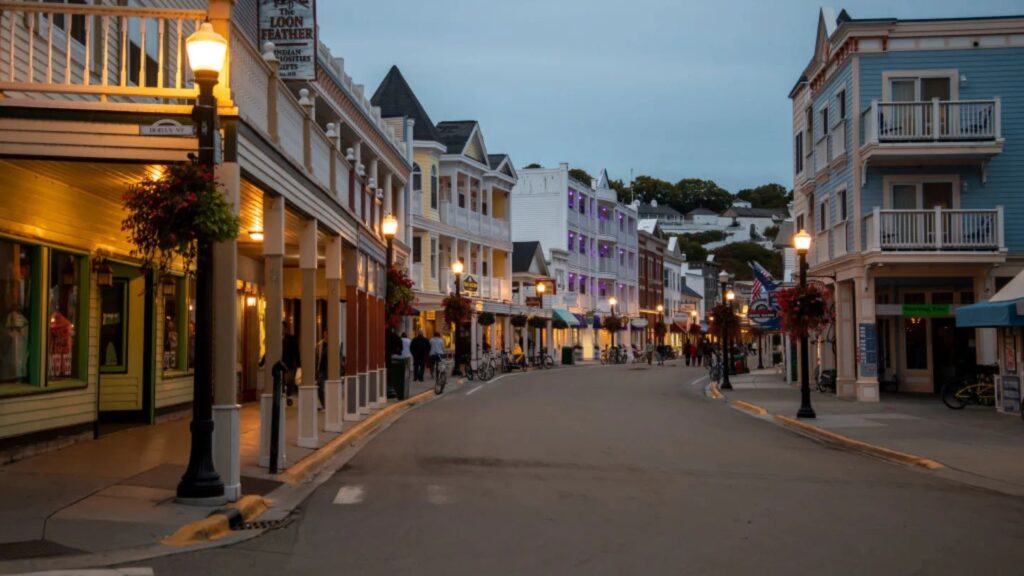
Mackinac Island, Michigan
Mackinac Island in the American state of Michigan is one of the oldest car-free places on the planet. Motor transport was banned here back in 1898, when a group of horse-drawn carriage drivers convinced the local council to outlaw “dangerous horseless carriages.” The ban has never been lifted since.
Over time, the absence of cars became the island’s main tourist attraction. Today, Mackinac is a popular summer resort where the only sounds are the clip-clop of horse-drawn carriages and the rustle of bicycle wheels. It even has the only state highway in the U.S. where automobile traffic is prohibited. Exceptions are made only for emergency vehicles.
Zermatt, Switzerland — Clean Air for the View of the Matterhorn
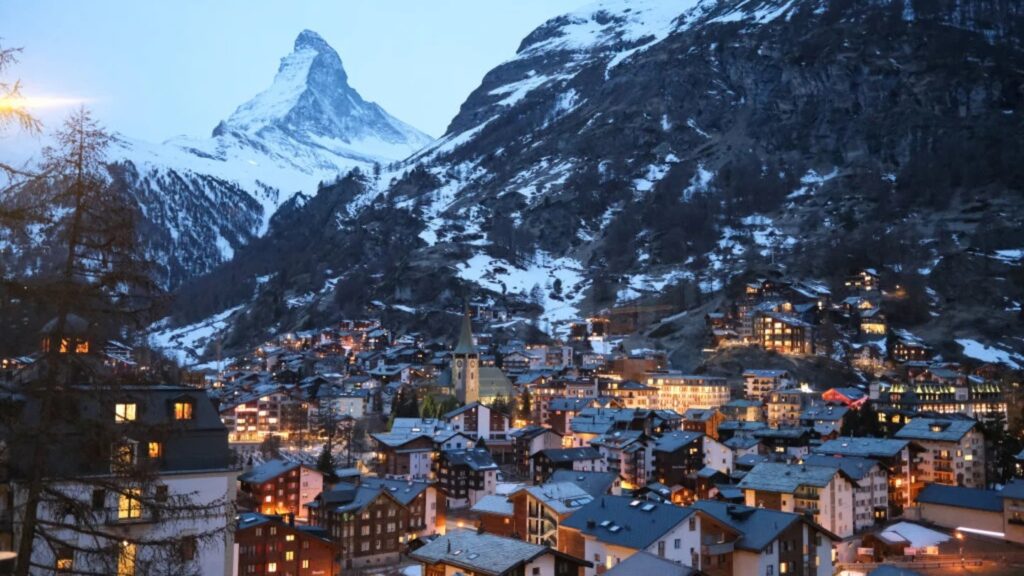
Zermatt, Switzerland
Zermatt is an Alpine village at the foot of the Matterhorn, one of the most recognizable peaks in the world. Private cars are banned here, and residents and tourists get around by trains, electric buses, and electric taxis.
The reason for the ban is quite pragmatic: Zermatt’s authorities want to preserve the crystal-clear air so that nothing obstructs the views of the Matterhorn and the surrounding mountain range. Exhaust fumes dissipate poorly in an enclosed mountain valley, so abandoning internal combustion engines here is not a whim but a necessity. In addition to the quiet and cleanliness, the village offers scenic railway routes through mountain landscapes and hiking trails with breathtaking views.
Monhegan Island, Maine — An Artist’s Paradise Without a Single Motor
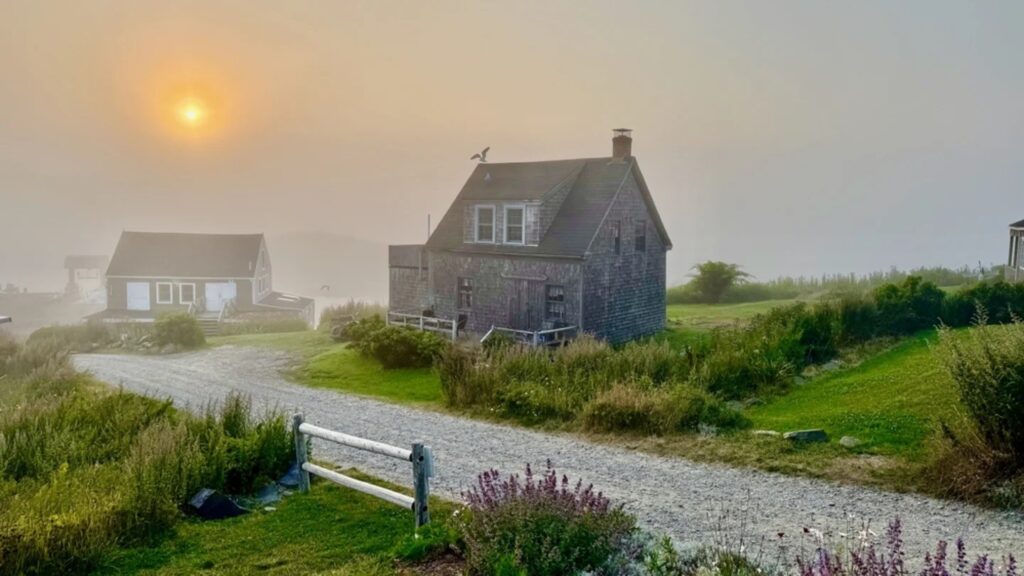
Monhegan Island, Maine
Monhegan is a tiny island off the coast of Maine, surrounded by the Atlantic Ocean, rocky cliffs, and pine forests. It is only about one and a half kilometers wide, and almost the entire territory is untouched nature. Cars are unnecessary here: everything you need can easily be reached on foot.
For over 150 years, the island has been home to a famous colony of artists and writers. Monhegan attracts people seeking inspiration and silence. Cars are banned here, except for a few trucks for delivering supplies and ambulances. Everything else is done on foot, along paths among wildflowers.
Hydra Island, Greece — No Cars, No Bicycles, Only Donkeys
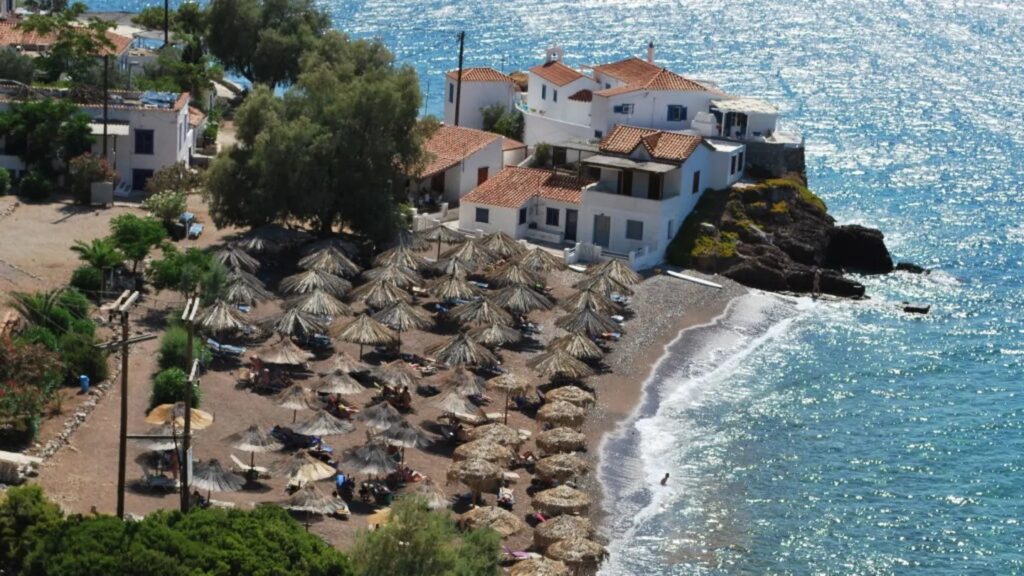
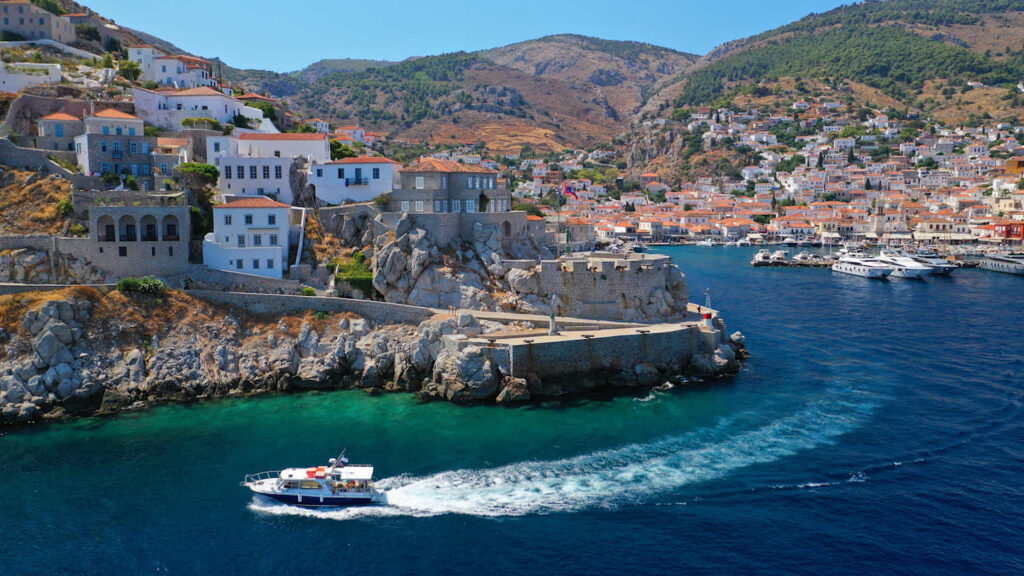
Hydra, Greece
The Greek island of Hydra takes things even further: there are not only no cars here, but no real roads either. You most likely won’t even see a bicycle on Hydra. Cargo is transported on the backs of donkeys — and this is not a retro attraction but everyday life.
Hydra is located about two hours by ferry from Athens. In the 18th–19th centuries, the island thrived as a shipbuilding center. In the 20th century, it became a celebrity magnet — a film starring Sophia Loren was shot here, and Leonard Cohen lived on Hydra and wrote several of his most famous songs here, including “Bird on a Wire.” In the 1960s, the island became a bohemian enclave, and the atmosphere of carefree timelessness persists to this day.
Daufuskie Island, South Carolina — From Plantations to a Quiet Oasis Without Roads
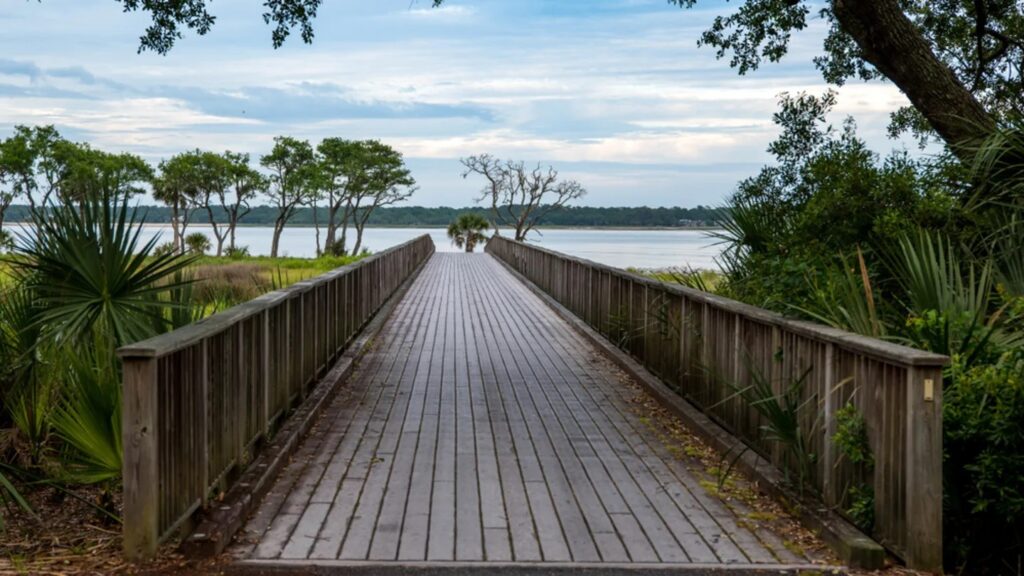
Daufuskie Island, South Carolina
Daufuskie is only a thirty-minute boat ride from the resort town of Hilton Head, but it feels like another world. For thousands of years, Native Americans lived here, then in the 16th century, Spanish colonizers arrived. Later, plantations and slave labor appeared on the island — up until the Civil War.
After the war, the island was settled by freed slaves who created an oasis for the Gullah people — an African American community preserving elements of African culture and language. Today, Daufuskie residents make a living from fishing and oyster harvesting, while tourists are drawn to the beaches, starry skies, galleries, and restaurants. There is no bridge to the island, and there are almost no cars — people get around on golf carts and bicycles.
Giethoorn, Netherlands — The Dutch Venice Without Cars
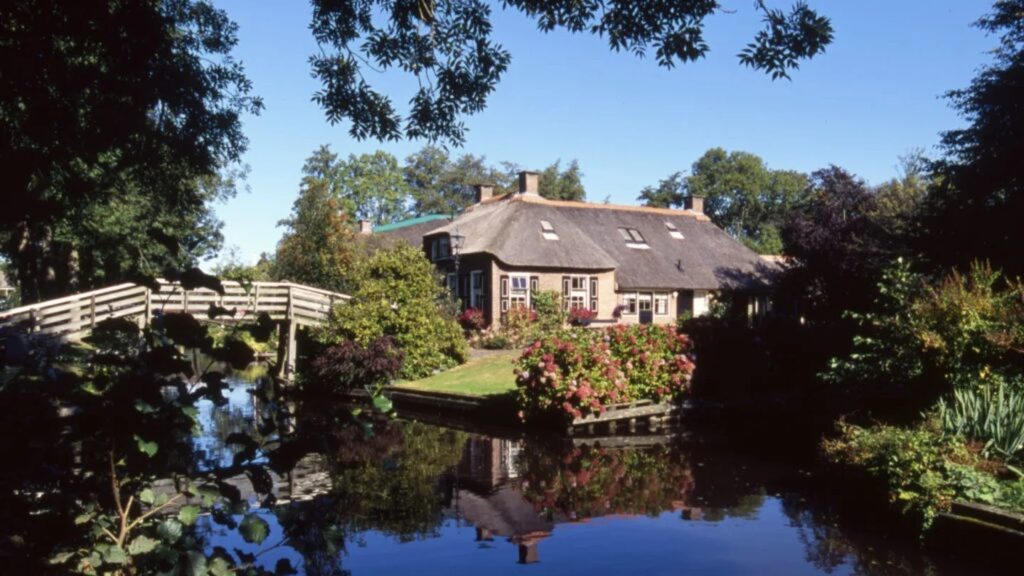
Giethoorn, Netherlands
The town of Giethoorn is often called the “Dutch Venice,” and the reason is obvious: its center consists of a network of canals stretching about six and a half kilometers in total, laid out in mesmerizing patterns between traditional Dutch houses. Automobile traffic in the town center is prohibited.
Giethoorn is located about an hour and a half drive from Amsterdam and looks like an illustration from a fairy tale. However, in recent years, the town has become a very popular tourist destination, so for the most peaceful visit, it is recommended to arrive early in the morning or during the off-season — in April, May, June, or September.
All six places are united not so much by ideology as by a practical result: when the noise of engines disappears, space opens up for something else — for silence, history, nature, and human connection. None of these places suffers from the absence of cars. On the contrary, the car ban has become their main competitive advantage. In the future, there will likely be more such places, and for now, it’s worth knowing that quiet cities without cars already exist — and they thrive.