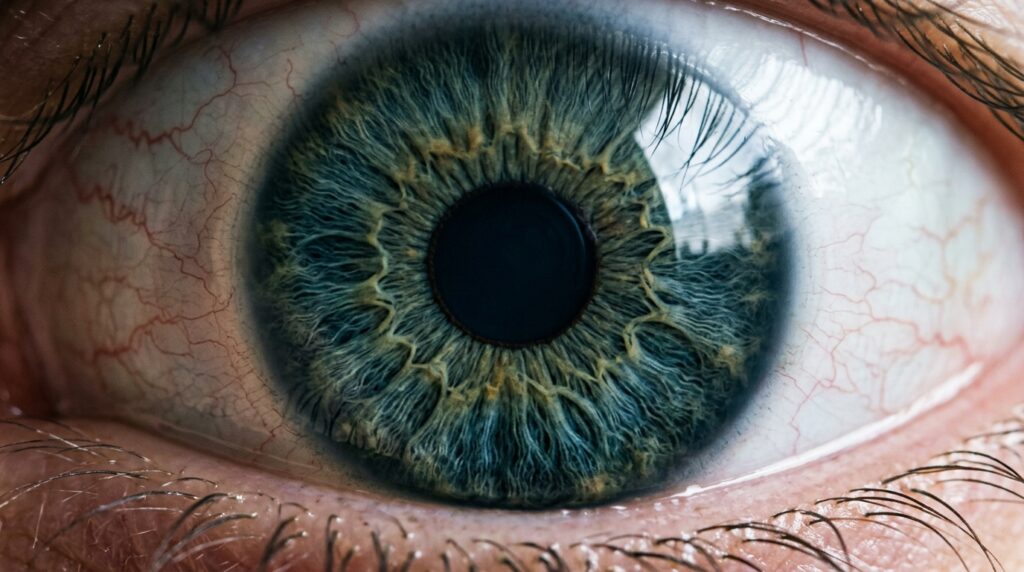
Can medical treatment or something else change your eye color? Yes, and here’s how it works
We tend to think that eye color is something permanent. Inherited from your parents, documented in your medical records, end of story. But the iris can change its shade. Sometimes because of medications, sometimes because of diseases, and sometimes simply because you grew up. Some of these changes are completely harmless, while others are a reason to urgently see a doctor.
Why Eyes Have Color and How Iris Pigmentation Forms
Eye color is not determined by some mysterious “blue” or “green” pigment. The shade depends on the amount of melanin — the same pigment responsible for skin and hair color. The more melanin in the iris, the darker the eyes.
Brown-eyed people have a lot of pigment, so the iris absorbs almost all light. Blue-eyed people have little melanin, and the blue color doesn’t come from a blue pigment but from the way light scatters inside the iris (roughly the same reason the sky appears blue).
That’s why many babies have light eyes at birth that darken later: melanin isn’t produced right away, and eye color in newborns changes gradually. So the first and most natural change in eye color happens in childhood, and it’s perfectly normal.
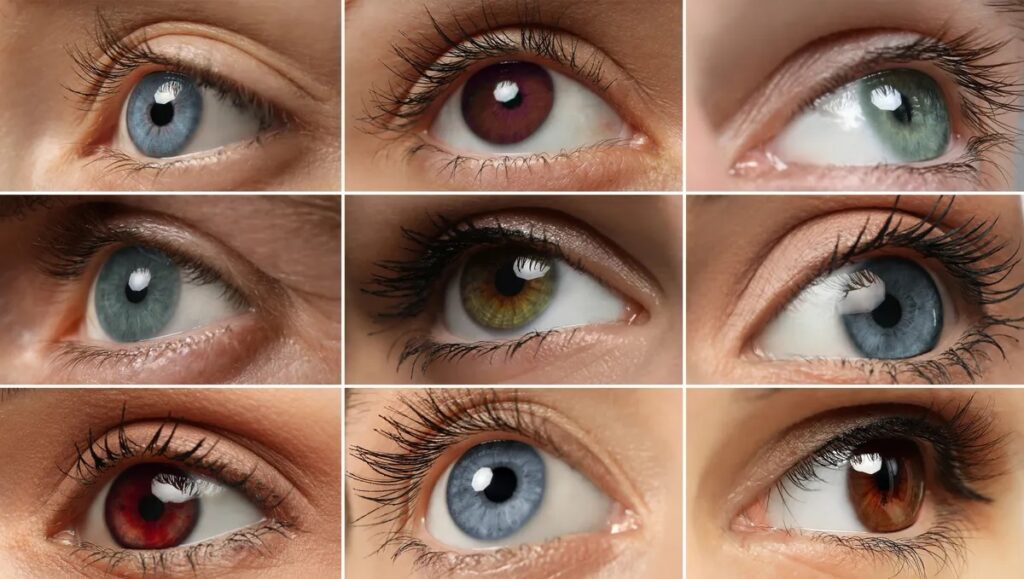
Eye color can change more often than we think, but not all causes are harmless.
Which Medications Can Change Eye Color
Some medications can literally recolor your eyes. Most often, these are eye drops for treating glaucoma — a condition associated with elevated pressure inside the eye.
A specific group of these drops contains substances that stimulate melanin production in the iris. As a result, light eyes can gradually become darker — brown or greenish-brown. The effect is usually irreversible: even if you stop using the drops, the original shade won’t return.
Some glaucoma eye drops are often used to stimulate eyelash growth, which can also permanently change eye color. Although this side effect is rare, it has been documented several times.
There are also known cases of eye color changes during treatment with favipiravir — a broad-spectrum antiviral drug typically used to treat influenza. For example, there was a case where a child’s eyes turned blue from the antiviral. But this drug affects more than just the eyes and, fortunately, the effect passes quickly.
When a Change in Eye Color Is a Warning Sign
If an adult’s eye color suddenly changes in one eye, it’s almost always a reason to see a specialist. Sometimes eyes of different colors are a congenital trait, but a sudden change is a different story entirely.
Various causes can be behind such a symptom:
- inflammation inside the eye that changes the appearance of the iris
- pigment deposits or, conversely, pigment loss
- injuries and consequences of surgeries
- in rare cases — tumors, including eye melanoma
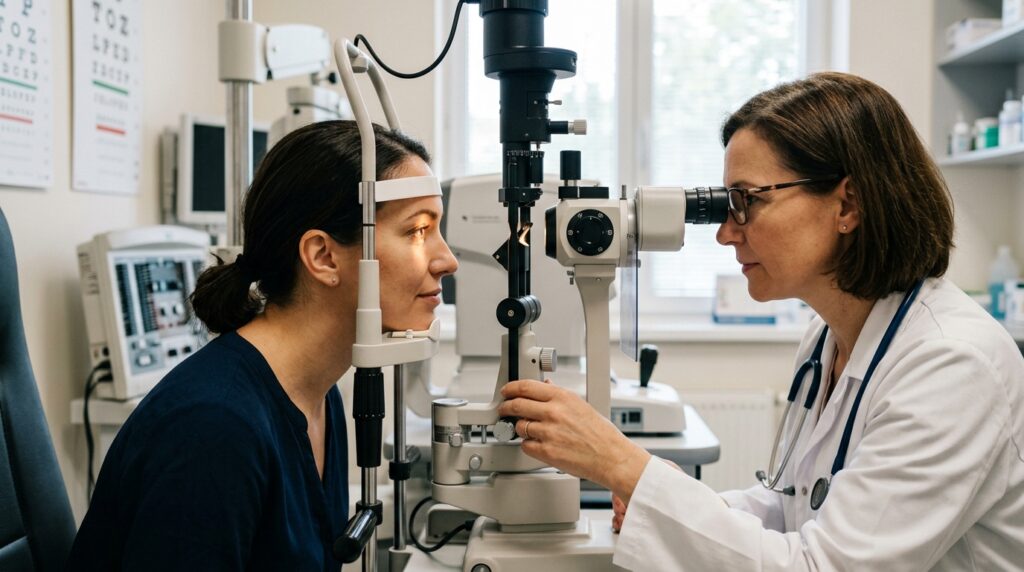
A sudden change in color of one eye is a reason to see an ophthalmologist
The main principle is simple: gradual changes with age are usually safe, but sudden and one-sided changes are not. It’s nearly impossible to distinguish harmless from dangerous on your own, so it’s better not to guess and get checked.
Can You Change Eye Color Intentionally
Yes, and there are several methods — from safe to outright risky. The simplest and most reversible option is colored contact lenses: put them on, take them off, and your eyes are back to normal (though even regular lenses can damage the cornea if worn incorrectly).
There are also surgical methods: for example, placing a special implant over the iris or procedures that lighten pigment with a laser. But doctors view them with caution: such interventions can disrupt fluid drainage inside the eye and lead to inflammation or even vision loss. Risking your eyesight for a shade change is a questionable idea.
By the way, eyes are quite a “customizable” system. For example, the shape of the cornea can be temporarily changed during sleep — that’s exactly how orthokeratology night lenses work. But that’s not for changing color — it’s for seeing normally throughout the day without surgery.
What You Should Know About Eye Color Changes
Eye color isn’t as fixed as you might think. It changes in childhood, can slightly shift with age, under the influence of medications, and sometimes points to health problems.
If you want a new shade for cosmetic reasons, lenses remain the most sensible choice. And if your eyes start changing color on their own (especially one eye and rapidly), don’t chalk it up to “just my imagination”: it’s better to visit an ophthalmologist once and make sure everything is fine.