Just recently we published a rating of budget camera phones for 2026, and today it’s ready to be expanded with two new models. OPPO has updated the Reno series, introducing the Reno 16 and Reno 16 Pro smartphones, which feature larger batteries and new processors. The upgrade compared to the predecessors Reno 15 is modest, but prices have increased significantly — the base model went up by 500 yuan, and the Pro version by as much as 800 yuan. Sales start in China on May 29. But is it worth waiting for them, given the current state of the smartphone market?
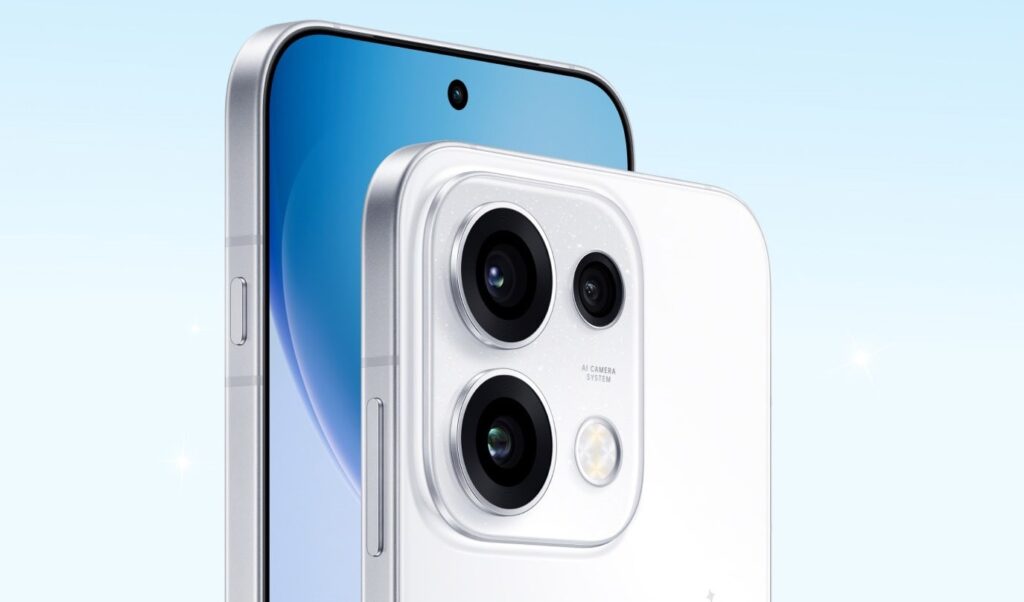
Budget camera phones officially unveiled in China. Image: OPPO
Differences Between OPPO Reno 16 and Reno 15
The update turned out to be minor. There are two main differences from the predecessors: batteries and chipsets. The base model’s battery grew to 6,700 mAh (it was 500 mAh less before), while the Pro got 7,000 mAh. This is a truly noticeable boost in battery life, especially combined with more energy-efficient processors.
As for chipsets: the OPPO Reno 16 smartphone switched from MediaTek Dimensity 8450 to Dimensity 8550 Super (4 nm), while the Reno 16 Pro moved to Dimensity 9500s (3 nm). For the Pro version, this is a significant leap: the Dimensity 9500s is a fresh chip that’s closer to flagship level. The base model received a more modest upgrade.
Additionally, the Reno 16 Pro smartphone gained Wi-Fi 7 support and received Gimbal stabilization in the main 200-megapixel camera. This is mechanical stabilization that compensates for shake better than regular optical stabilization. Screens, cameras, and everything else remain unchanged: 6.32 inches for the base model, 6.78 inches for the Pro.
OPPO Reno 16 and Reno 16 Pro Specifications
The camera setup on both smartphones is identical: a 200 MP main sensor with optical stabilization, a 50 MP ultra-wide, and a 50 MP periscope telephoto with 3.3x optical zoom, thanks to which the new devices take great portraits and zoomed shots. The front camera is also 50 MP with autofocus. For the mid-range segment, this setup still looks strong.
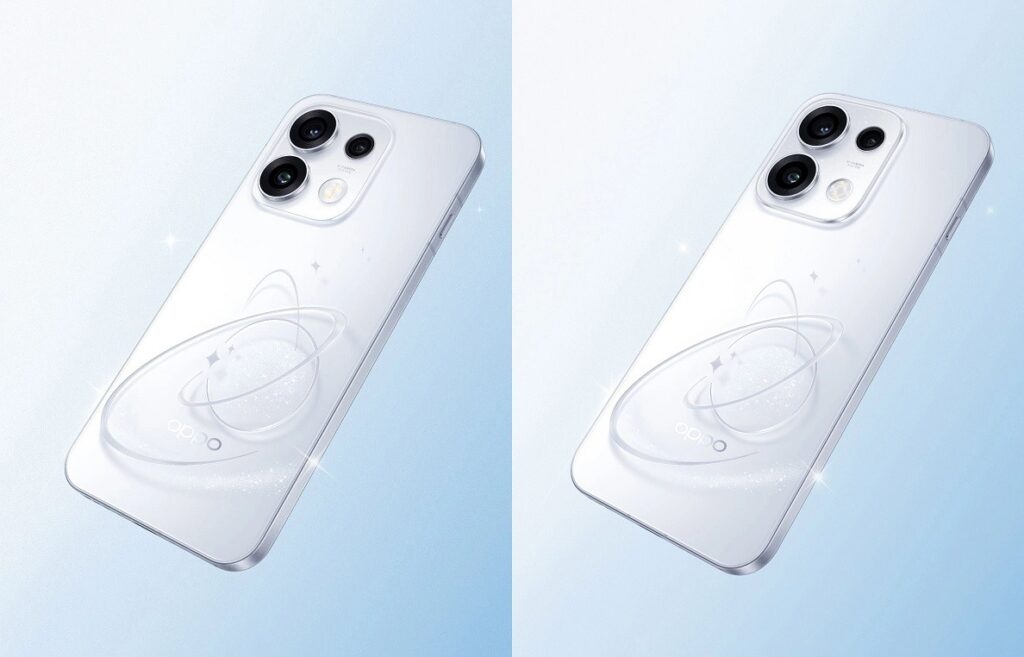
OPPO Reno 16 (left) and Reno 16 Pro (right). Image: OPPO
The OPPO Reno 16 screen uses OLED technology with a 120 Hz refresh rate and a maximum brightness of 1,800 nits. The Pro features an LTPO panel that can lower the refresh rate to 1 Hz to save battery. Both smartphones received IP66/68/69 water resistance, which is a big plus for mid-rangers, although it’s no longer something extraordinary.
What Is OPPO Bubble and What Is It For
A special highlight of the series is the magnetic AMOLED display OPPO Bubble, measuring 1.73 inches. It can be attached to the smartphone or, for example, to a bag. The small screen allows camera control and works as a decorative accessory.

This is what the external OPPO Bubble display looks like. Image: OPPO
An important detail: OPPO Bubble is sold separately for 499 yuan — approximately 6,300 rubles. It’s more for fans of unusual accessories than for everyday practicality. The company is still experimenting with unusual form factors and additional screens, and Bubble is another such experiment.
OPPO Reno 16 and Reno 16 Pro Prices
This is where the main problem begins. Despite the modest upgrades, prices have increased significantly:
- Reno 16 (12/256 GB) — starting from 3,499 yuan (approximately from 44,400 ₽ in Russia), the 12/512 GB version — 3,999 yuan (approximately from 50,700 ₽)
- Reno 16 Pro (12/256 GB) — starting from 3,899 yuan (approximately from 49,400 ₽), the top 16/512 GB version — 5,299 yuan (approximately from 67,200 ₽)
The base model added 500 yuan to the predecessor’s price, while the Pro went up by 800 yuan. Considering that the cameras and screens haven’t changed, and the chipset performance boost in everyday tasks will hardly be noticeable to users, such a price jump looks aggressive.
Is It Worth Buying OPPO Reno 16 and Waiting for the Russia Launch

All color options of the new smartphones. Image: OPPO
For now, the series has been announced only for China with sales starting on May 29. A global launch is possible, but dates and prices for other markets have not been announced. Most likely, this will happen in the summer of 2026 along with the OPPO Reno 16 launch in Russia. If the manufacturer keeps the same specifications for the international version, the Reno 16 Pro with its Dimensity 9500s, large 7,000 mAh battery, and solid camera setup could be interesting for those who value battery life and photo quality in the mid-price segment. However, the upgrade doesn’t seem justified compared to the predecessors.
The base Reno 16 especially doesn’t look convincing at the current price: the upgrade is minimal, while the markup is substantial. If you’re using a Reno 15, there’s virtually no reason to switch to the Reno 16. If you’re looking at new smartphones, it’s worth waiting for global prices and comparing offers from competitors in the same range.