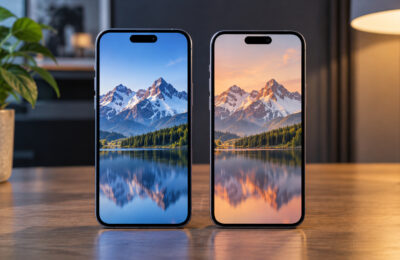
Taiwanese publication Commercial Times reports that Apple plans to significantly upgrade the internals of the entire iPhone 18 lineup. All models in the series may receive 12 GB of RAM, new processors built on a 2-nanometer process, and a second-generation proprietary 5G modem. If prices don’t increase, the iPhone 18 has every chance of becoming the most popular smartphone of the year.
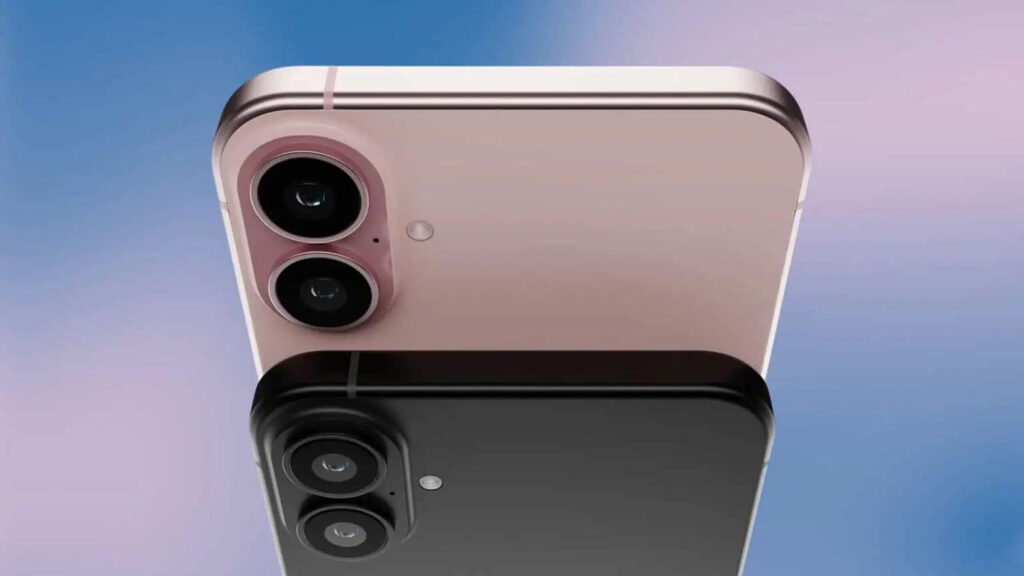
The design of the base iPhone will remain the same, but the internals will change
RAM in iPhone 18: Why 12 GB Matters
The main news for regular users: the base iPhone 18, according to the source, will receive 12 GB of RAM. Currently, this amount is only available in Pro models, while standard iPhones make do with 8 GB.
In practice, this means several things:
- Local AI tasks (Apple Intelligence) will run faster and more reliably — it’s RAM that limits the capabilities of on-device neural networks
- Background apps will be unloaded less frequently — no more waiting for a messenger or browser to reload when switching between tasks
- Games will be able to use more memory for textures and visual effects
The memory increase in the base model makes it significantly more attractive for those who don’t want to overpay for Pro versions priced from $1,000 (approximately 108,000 ₽ in Russia). That said, there’s an opinion that Apple is deliberately making the iPhone 18 worse in some aspects to maintain the gap between lineups.
A20 and A20 Pro Chips for iPhone 18: What Changes with the Move to 2 nm
According to the source, the iPhone 18 will become the first Apple smartphone with processors manufactured on a 2-nanometer process. Base models will get the A20 chip, while the iPhone 18 Pro and Pro Max will feature the more powerful A20 Pro.
The processor in iPhone 18 will use the most advanced process node
For users, the transition to a new process node typically means two things: higher performance and better energy efficiency. In simpler terms, the smartphone runs faster while draining the battery more slowly. Exactly how much remains unknown — no specific performance figures were provided by the source.
The split between A20 and A20 Pro maintains the familiar logic: base iPhones get a slightly weaker chip, Pro models get a stronger one. But the very fact that the entire lineup is moving to 2 nm is a substantial step forward compared to the current generation.
C2 Modem and Satellite Connectivity in iPhone 18
Apple continues replacing Qualcomm modems with its own designs. According to rumors, the iPhone 18 will feature the second-generation C2 modem, replacing the C1 and C1X from current models.
Apple’s modem will deliver better energy efficiency
What could change for users:
- C2 may become the first Apple modem with mmWave support — an ultra-fast 5G technology that operates in major cities of developed markets
- Improved satellite connectivity thanks to the NR-NTN standard — satellites will be able to function as “remote cell towers,” expanding emergency communication capabilities in areas without coverage
A new N2 wireless chip is also mentioned, but details about its advantages over the current N1 are not yet available.
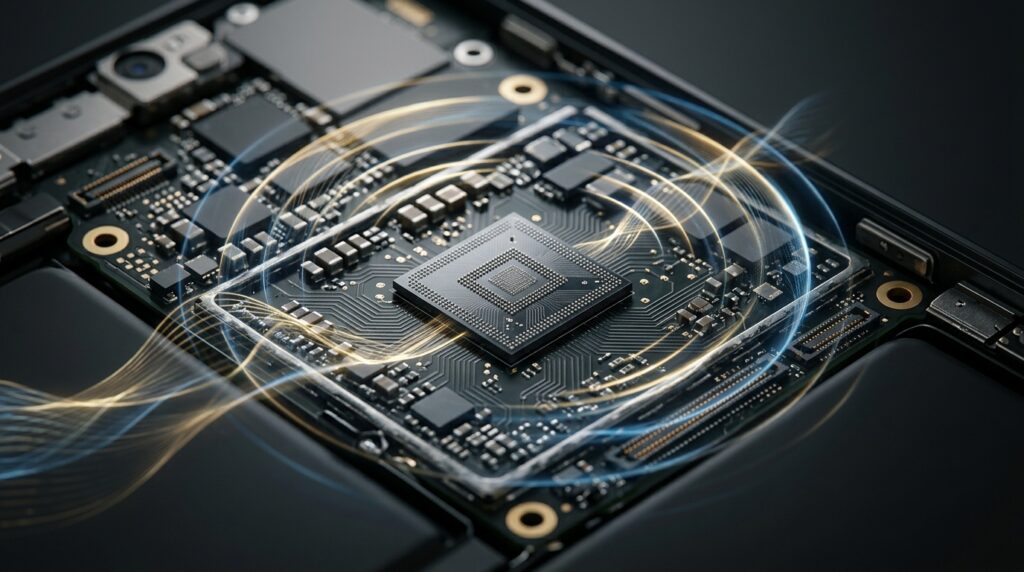
Next-generation modem for iPhone 18
How Much Will iPhone 18 Cost
A separate point of intrigue is the pricing. Earlier rumors suggested a price freeze across the entire iPhone 18 lineup, despite a noticeable increase in the cost of RAM (DRAM) and flash storage (NAND) on the global market.
Analyst Ming-Chi Kuo from TF International Securities explained that Apple could offset the rising component costs through services revenue — subscriptions, App Store, Apple Music, and others. In his view, it’s more profitable for the company to absorb component expenses and strengthen its market position than to raise prices and lose customers.
However, there’s a catch: the base iPhone 18, according to other leaks, may feature a display based on 2023 technology — meaning Apple is cutting costs on the screen to invest in the processor and memory. For buyers, this is a trade-off: more powerful internals, but the screen may lag behind Pro models more noticeably than before.
Is It Worth Waiting for iPhone 18
If the rumors are confirmed, the base iPhone 18 will be significantly more appealing than its predecessor. 12 GB of RAM, a 2-nanometer chip, and a proprietary 5G modem — this is a package that was previously associated with the Pro lineup. For owners of iPhone 15 and older, this could be a compelling reason to upgrade.
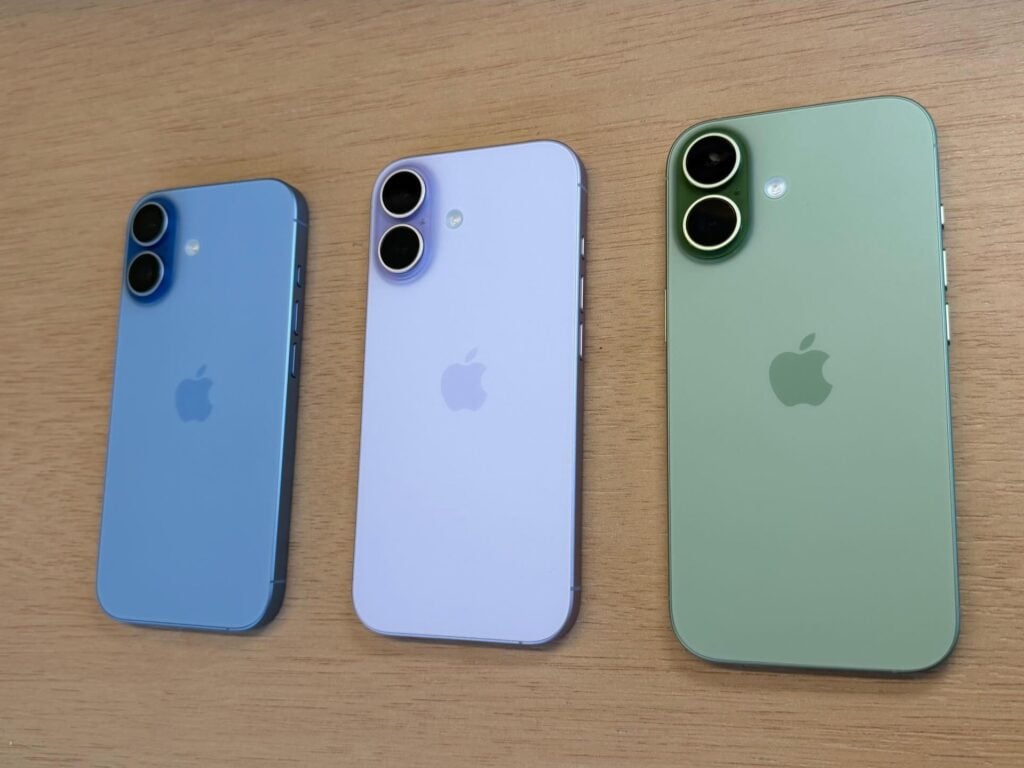
Spotting design differences between iPhone 18 and iPhone 17 will only be possible in colors
iPhone 17 owners have no reason to rush — the difference of one generation is rarely critical. And for those choosing between the Pro and standard version, it’s worth waiting for specific performance benchmarks and display comparisons.
The main caveat for now: the source is rated as “plausible” with a 55% probability. These are not confirmed facts but a forecast based on supply chain data. The full picture will only emerge at Apple’s fall presentation.