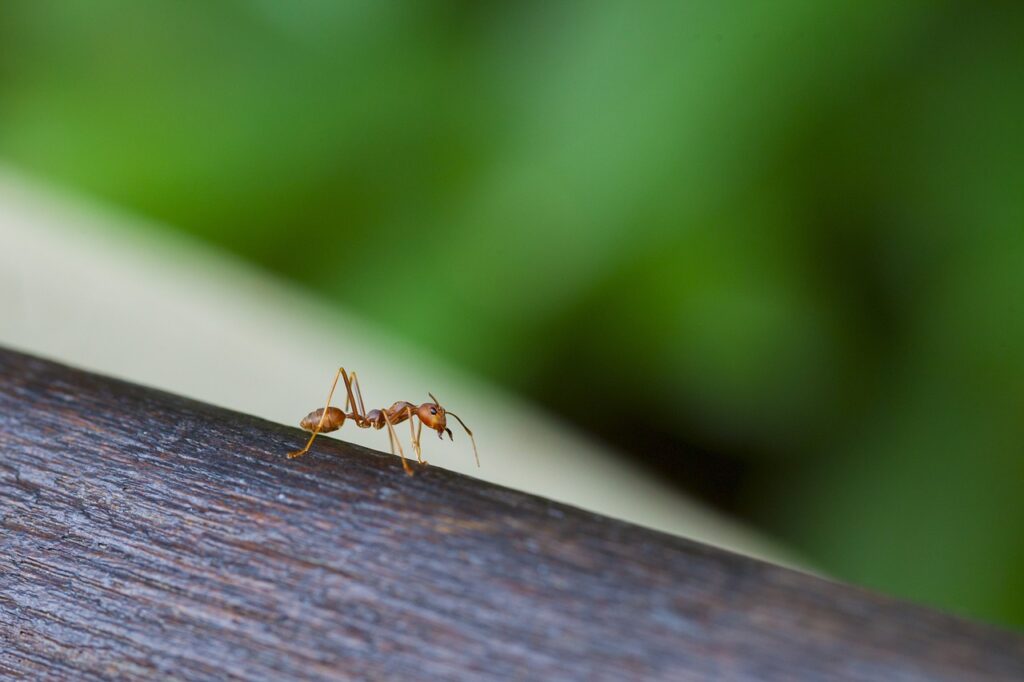
Ants have a truly unique way of sleeping
Worker ants never sleep the way we do. And this is perhaps one of the strangest things about their biology, aside from their amazing ability to navigate through space. How do the internal clocks of a creature the size of a grain work? Do ants dream? The answers to these questions are far more surprising than they might seem at first glance.
How Ants Sleep
Unlike humans, who are accustomed to resting in long uninterrupted blocks, ants practice polyphasic sleep. This refers to multiple short rest breaks throughout the day.
According to the website Animal Hype, worker ants fall asleep about 250 times a day, with each nap lasting just over a minute. In total, this adds up to about five hours of sleep, but thanks to this staggered schedule, nearly 80% of the colony is always awake and ready to work or defend its territory.
Different roles within the nest require completely different approaches to recovery:
- The queen sleeps up to nine hours a day in large blocks of about six minutes, remaining in complete safety within the central chamber;
- Soldiers fall asleep less frequently than workers, but their sleep is deeper and longer, which helps conserve maximum energy for sudden battles;
- Foragers (food gatherers) make do with ultra-short naps on the go, sometimes even outside their home shelter.
Interestingly, queens often synchronize their rest periods with the development cycles of their offspring to increase the reproductive efficiency of the nest and avoid being distracted by external stimuli.
What Happens If Ants Don’t Rest
Like warm-blooded animals, insects have an extremely hard time coping with the absence of rest. In one experiment, scientists carefully shook ants every minute for an entire day, physically preventing them from drifting off to sleep.
The results of the experiment were impressive: chronic sleep deprivation sharply reduces ants’ work efficiency and causes them to make foolish mistakes when foraging for food. The damage to their fragile bodies from just one day without sleep was comparable to aging by 80 days in human equivalent terms.
Furthermore, sleep-deprived individuals become significantly less social and interact less frequently with their nestmates, disrupting the perfect communication within the colony. Fortunately, insects know how to catch up on sleep — after severe stress, they fall into a deeper and longer restorative sleep to compensate for lost time.
Do Ants Dream
Ants lack a complex cerebral cortex or hippocampus, which traditionally are responsible for generating vivid dreams in mammals. However, this does not mean that their neural connections completely shut down during periods of rest.
Entomologists have noticed that weaver ants display clear signs of a REM sleep phase, during which the human brain typically generates images. Moreover, after successfully navigating complex mazes in search of sweet syrup, the insects rest much longer than usual. It is likely that during extended rest, ants process new information and transfer successful route maps into their long-term memory.
Some species have even mastered unihemispheric sleep — a unique state in which one half of the miniature brain sleeps soundly while the other continues to monitor the surroundings in case of a sudden predator attack.
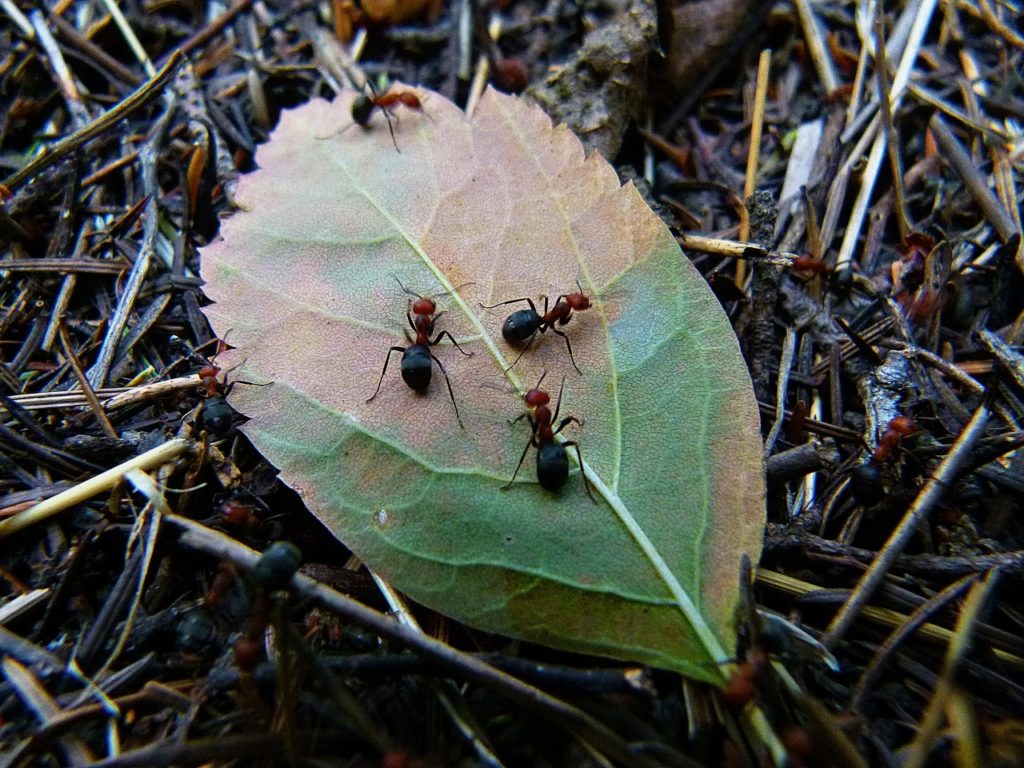
Ants often have to navigate complex mazes
Ant Sleep in Different Seasons
The biological clocks (circadian rhythms) of insects are highly sensitive to the amount of light and the ambient temperature. In summer, when daylight hours are long and warm, ants are hyperactive and live at an intense pace of hundreds of short bursts of activity.
But when the temperature begins to drop, the entire colony of thousands undergoes a radical transformation. In autumn, the usual rhythm shifts to monophasic — the insects switch to one long rest period per day. And with the onset of winter, ants enter a deep diapause — a specific energy-saving state that closely resembles the hibernation of mammals.
During these cold months, the insects’ metabolism slows down to a critical minimum, allowing them to safely survive harsh frosts and acute food shortages without the slightest harm to their health.
Where Do Ants Sleep
These creatures do not have specially designated cozy “bedrooms.” The place for a nap depends directly on the current work duties of a specific individual and the threat level.
Nurse ants fall asleep right in the warm incubators next to the larvae, so that they can immediately move them to a safe place if humidity changes. Meanwhile, the queen always rests in the most protected chamber, surrounded by a devoted retinue that feeds and thoroughly cleans her immediately after she wakes up.
The most remarkable approach to rest is demonstrated by dangerous nomadic species. Since they do not build permanent shelters from twigs and soil, nomadic ants create temporary nests from their own bodies. Workers and soldiers literally lock together with their mandibles and legs, forming sturdy living walls inside which the queen and the younger generation sleep peacefully.
Studying ant sleep clearly proves that the need for rest is embedded incredibly deeply in the nature of all living beings, no matter how primitive and tireless they may seem at first glance. Understanding how these tiny creatures balance total territorial control with the physiological need for recovery helps biologists better study the evolution of the nervous system. Perhaps in the foreseeable future, this knowledge will help scientists develop new methods for combating disorders of the human biological clock.