8 things dentists never do to their own teeth.
Who knows best how to ruin teeth? Dentists, of course — they see the consequences of other people’s mistakes and bad daily habits every day. And they have their own unwritten list of things they never do to their own teeth. Some of them might surprise you.
Why You Shouldn’t Brush Your Teeth Right After Eating
It seems logical: you eat — you brush your teeth. But dentists don’t do that. During a meal, the environment in your mouth becomes acidic, and if you grab a toothbrush at that moment, you can damage the softened enamel. Essentially, you’d be scrubbing your teeth at their most vulnerable moment.
The rule is simple: after eating, you need to wait at least 30 minutes for the pH in your mouth to return to normal. If you want freshness right away — it’s better to rinse your mouth with water or chew some gum.
Why You Shouldn’t Chew Ice: A Direct Path to Enamel Cracks
In hot weather, it’s tempting to crunch on an ice cube from your glass. But dentists categorically disapprove. Ice is hard enough to leave chips and microcracks on your enamel. And that means increased tooth sensitivity and risk of fractures.
There’s another nuance: if you have fillings, a sudden temperature change can weaken the bond between the filling material and the tooth. So it’s better to leave the ice in the glass, not in your mouth.
Hard Toothbrushes Do More Harm Than Good
Many people think: the harder the brush, the cleaner the teeth. In reality, it’s the opposite. Aggressive brushing with hard bristles injures gums and wears down enamel. Dentists themselves use soft brushes and recommend the same.
Brushing quality depends not on bristle hardness, but on technique. Proper motions with soft bristles and a good toothpaste remove plaque just as well, but without damaging your teeth and gums.
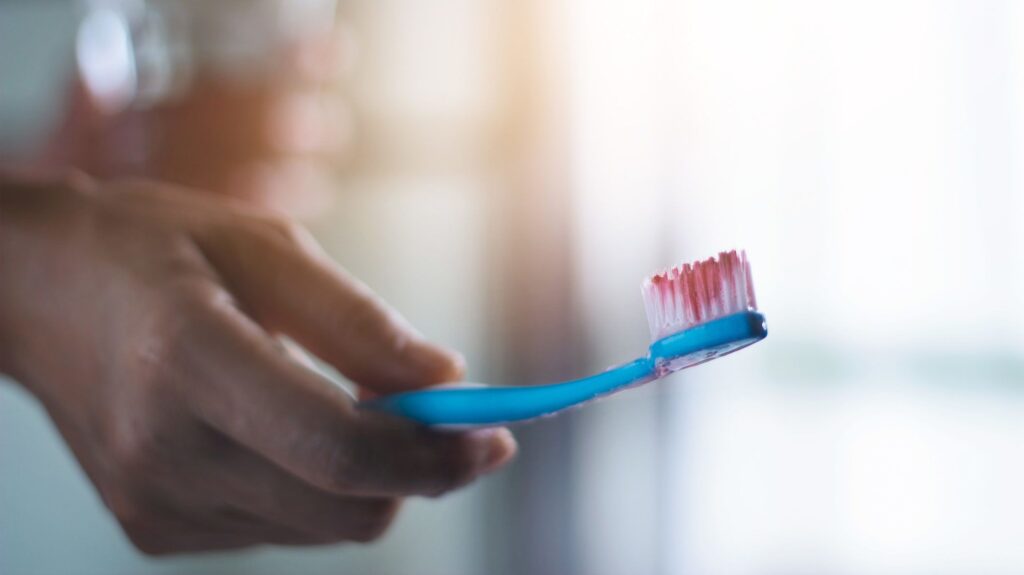
A soft brush (left) cleans just as well as a hard one, but doesn’t injure gums.
Why You Shouldn’t Open Packages with Your Teeth: Teeth Are Not Scissors or Bottle Openers
Tearing open a package, biting through a thread, opening a bottle with your teeth — sound familiar? Dentists never do this. It’s one of the easiest ways to chip or break a tooth. Most often, it’s the front teeth that suffer, and restoring them is expensive.
Your teeth already endure significant stress from daily chewing. There’s no need to add extreme challenges on top of that.
Acidic Food Destroys Enamel Just as Much as Sweets
Everyone knows about how sweets destroy teeth. But dentists warn: acidic foods and drinks are no less dangerous. Oranges, lemons, juices, soda — all of these create an acidic environment that literally dissolves enamel. The result is erosion, cavities, and sensitivity.
This doesn’t mean you need to give up citrus fruits. It’s important not to overdo it with such foods, and after eating something acidic, simply rinse your mouth with water. Just don’t grab the toothbrush right away (see the first point).
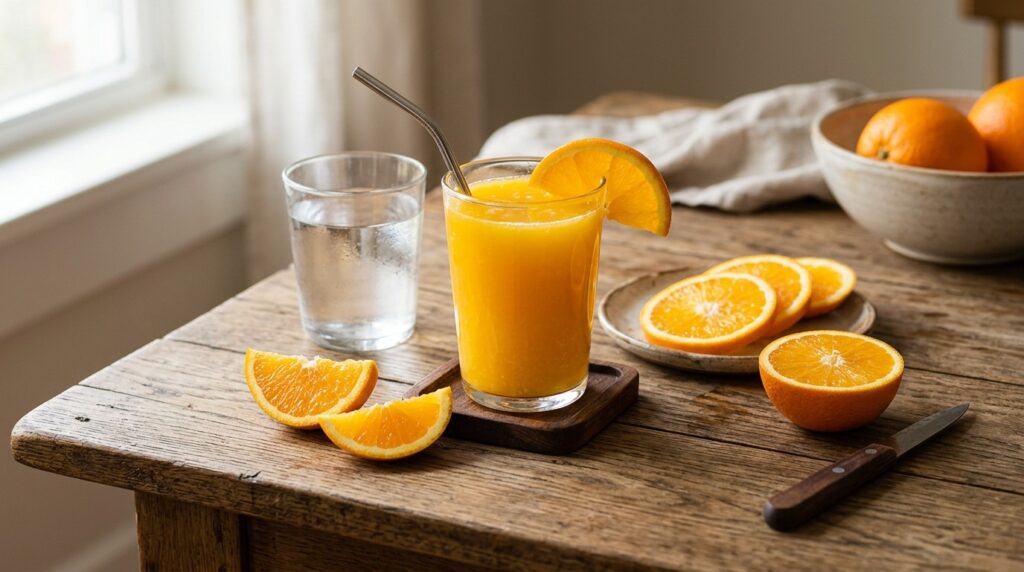
After acidic foods and drinks, dentists recommend rinsing your mouth with water
TikTok Dental Trends That Ruin Your Teeth
Filing teeth with a nail file, whitening them with baking soda and lemon, buying a trendy whitening toothpaste, gluing rhinestones to enamel — social media is full of such advice. Dentists are horrified by these videos. Such experiments can permanently damage enamel or break a tooth. And then it’s a long road of root canal treatment or even extraction.
Tooth enamel doesn’t regenerate. If you’ve filed it down or damaged it, there’s no going back. No trend is worth such consequences.
Veneers Without Medical Indications Destroy Healthy Teeth
Veneers are at the peak of popularity right now — it seems like an easy way to get a Hollywood smile. But dentists themselves only get veneers when they truly can’t do without them.
The thing is, classic veneers require the tooth to be ground down — and that’s irreversible. Doctors recommend trying whitening or orthodontic treatment first. If the problem can be solved in a less invasive way, there’s no point in permanently altering the structure of a healthy tooth.
Why Oil Pulling Doesn’t Replace Brushing Your Teeth
Rinsing your mouth with coconut oil (so-called oil pulling) has become a trendy practice. It’s presented as almost a replacement for brushing your teeth. But dentists are skeptical: there is very little scientific evidence supporting this practice.
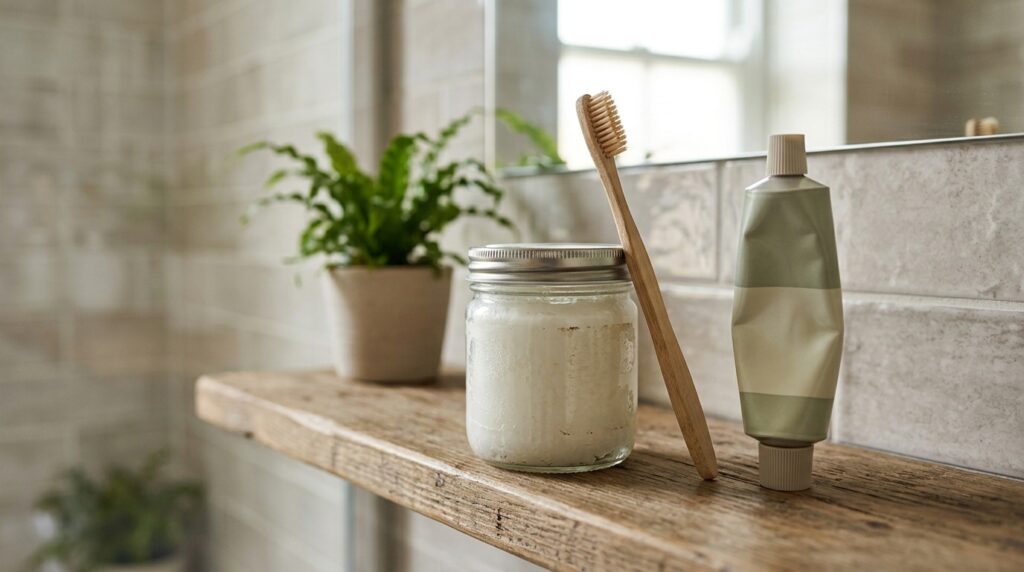
Coconut oil can supplement hygiene, but it can’t replace a toothbrush
If you enjoy rinsing your mouth with oil — go ahead, but only as a supplement to regular hygiene. Oil can’t yet replace a toothbrush and toothpaste, which is why dentists don’t give them up.
Behind most of these rules lies one fact: tooth enamel doesn’t regenerate, which means any damage is irreversible. Dentists see the consequences of such mistakes every day, so they make sure to avoid them themselves.