
Some books kept in libraries and private collections around the world are worth a fortune. Image source:
A book may weigh only a few hundred grams but be worth more than an apartment in central Moscow. First editions of great literary works regularly break auction records, and collectors are willing to pay millions of dollars for individual copies. It’s not just about age — rarity, condition, and the story behind a book play the decisive role.
Why First Editions of Books Are So Expensive
What makes a first edition so valuable? It is the closest “snapshot” of the moment a work first appeared — printed before anyone knew it would become a classic. Moreover, it’s not only world masterpieces that are valued: even among Soviet-era books there are expensive first printings and little-known editions. Small print runs, misprints, personal inscriptions by authors, and original covers turn such books into objects of pursuit for collectors around the world. Here are 7 such books.
Shakespeare’s First Folio: The Most Expensive Edition in English Literature
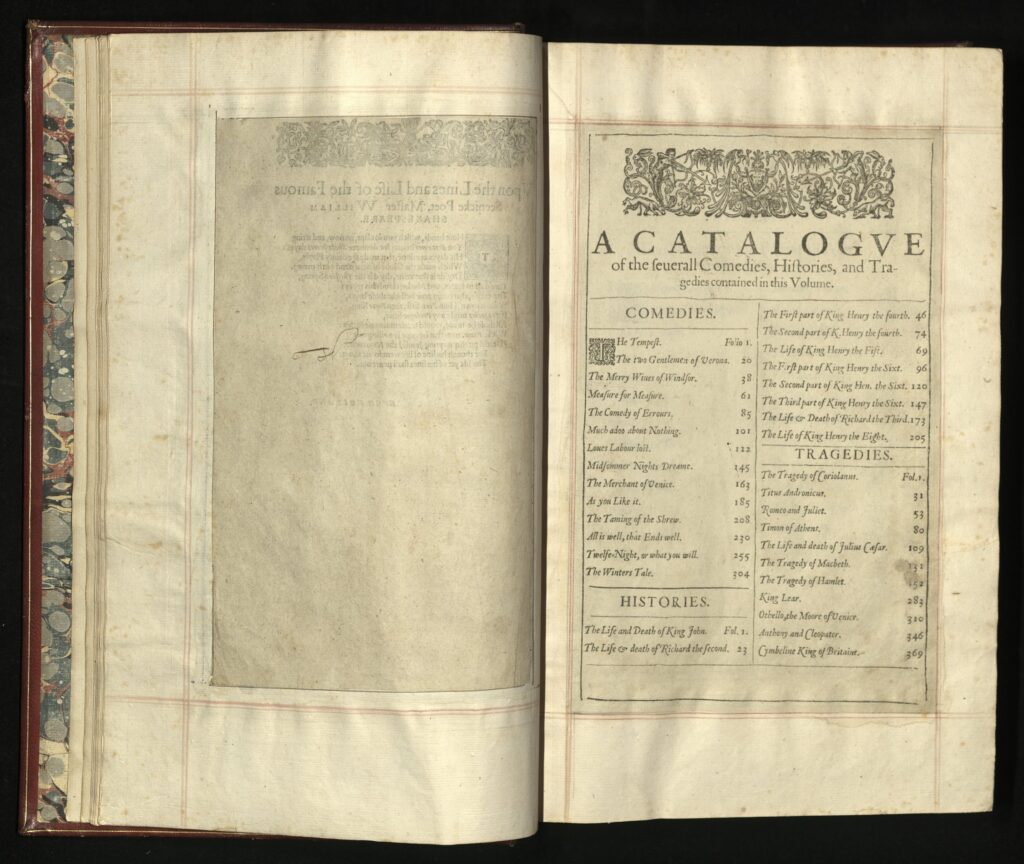
Mr. William Shakespeare’s Comedies, Histories, and Tragedies, published according to the true original copies, 1623. Image source: rct.uk
In 1623, seven years after William Shakespeare’s death, his friends and fellow actors John Heminges and Henry Condell published a collection of 36 plays titled “Mr. William Shakespeare’s Comedies, Histories, and Tragedies.” This volume — known as the “First Folio” — became arguably the most important book in the history of English literature. Without it, 18 plays, including “Macbeth,” “The Tempest,” and “Julius Caesar,” would most likely have been lost forever.
It is believed that around 750 copies were printed, of which 235 have survived to this day. However, the number of complete copies among them is significantly smaller — only 56 are considered fully complete, and almost all belong to institutions in the US and the UK.
In 2001, a copy of the “First Folio” was sold at auction for $6.16 million, and in 2020 another copy sold for $10 million — a world record for a literary work at auction. For perspective: the original retail price of an unbound copy in 1623 was approximately 15 shillings — meaning the book has appreciated millions of times over.
Alice in Wonderland: The Print Run That Nearly Became Waste Paper
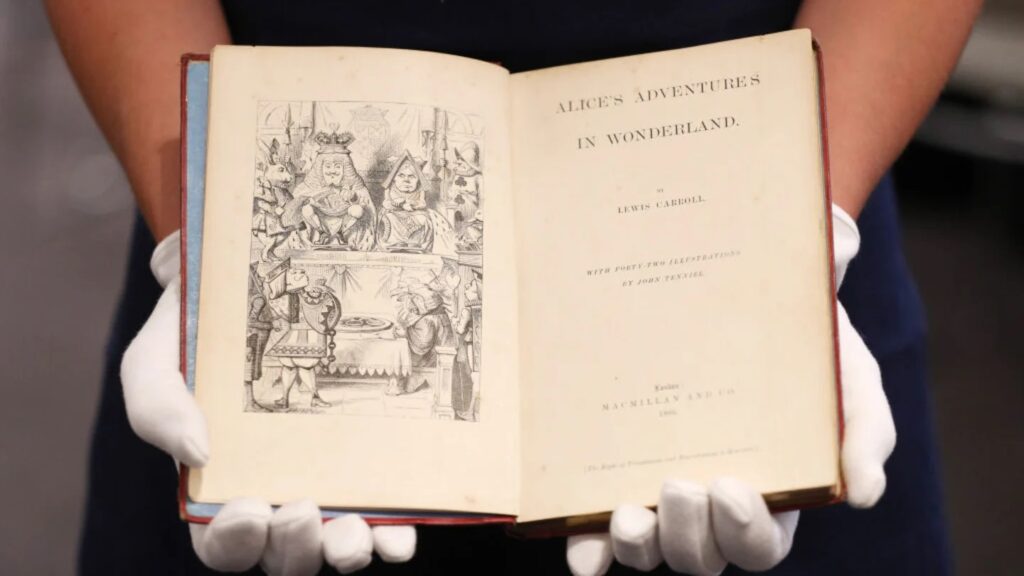
First edition of “Alice in Wonderland.” Image source: mentalfloss.com
In June 1865, Macmillan published 2,000 copies of a new children’s book. But illustrator John Tenniel was so dissatisfied with the print quality of the illustrations that he demanded the entire run be recalled. Lewis Carroll agreed and wrote in his diary that the recalled copies would be “sold as waste paper.”
Most copies were indeed destroyed. Only 22 known copies of the first edition have survived to this day. For comparison: that’s rarer than Shakespeare’s “First Folio.” In 2016, one of these copies was put up for auction with a preliminary estimate of $2–3 million.
The story of “Alice” is a good example of how chance makes a book legendary. A printing defect that caused the run to be recalled turned the surviving copies into one of the rarest books of the 19th century.
The Great Gatsby: First Edition, Flop, and Today’s Price
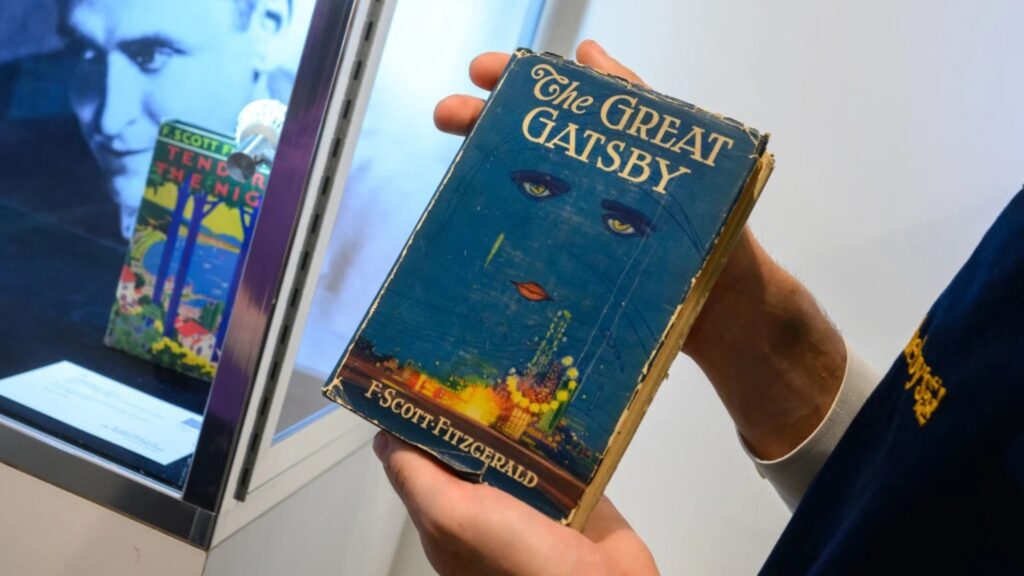
First edition of “The Great Gatsby” with the iconic cover. Image source: mentalfloss.com
When F. Scott Fitzgerald’s novel was published in 1925, it didn’t make a splash. The first print run was only 20,870 copies, and most remained unsold. Over the years, most copies were lost, and the original dust jacket with the iconic image of eyes against the backdrop of nighttime New York became a true rarity.
An interesting detail: first editions of “Gatsby” contain a typo that makes them even more collectible. Copies in good condition sell for sums starting at $190,000, and one in perfect condition sold at auction for $360,000.
The story of this novel is a reminder that commercial failure during an author’s lifetime says nothing about a book’s future value.
Tolkien’s The Hobbit: How Much the First Edition That Created the Fantasy Genre Is Worth
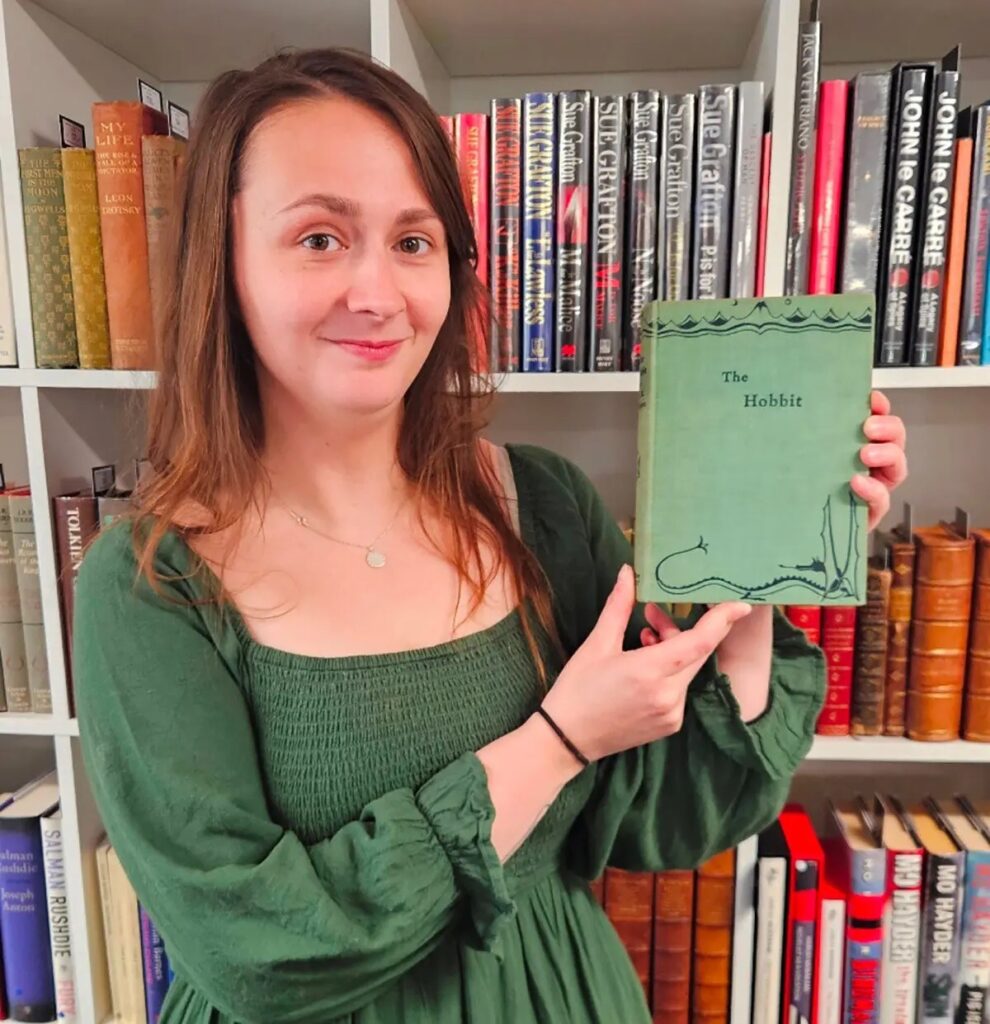
Rare book specialist Caitlin Reilly poses with a first edition of “The Hobbit.” Image source: nytimes.com
In 1937, London publisher George Allen & Unwin released the first print run of “The Hobbit” — just 1,500 copies. J.R.R. Tolkien’s book essentially laid the foundation for modern fantasy literature, but at the time publishers weren’t even sure of its commercial success.
Today, surviving copies of the first edition in good condition are valued at approximately $70,000. But the real sensation was a copy with a personal inscription by Tolkien, which sold at auction in 2015 for $210,000.
What drives the price even higher? A personal connection with the author. For collectors, it’s not just rarity that matters, but also the history of a specific copy — who owned it and who left an inscription in it.
Rare First Editions of Robinson Crusoe and Dubliners That Came Close to Destruction
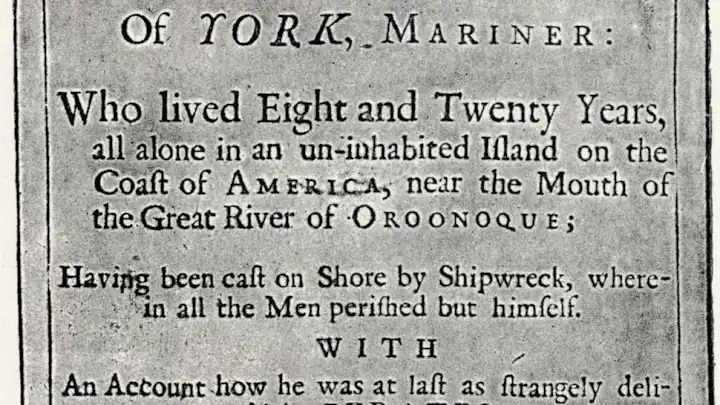
Title page of the first edition of “Robinson Crusoe.” Image source: mentalfloss.com
Daniel Defoe’s “Robinson Crusoe,” published in 1719, became one of the first adventure books in history. The novel gave its name to an entire genre — the “Robinsonade.” Over more than three centuries, nearly all first editions have been lost, and a complete set of all three books can today be worth more than $150,000.
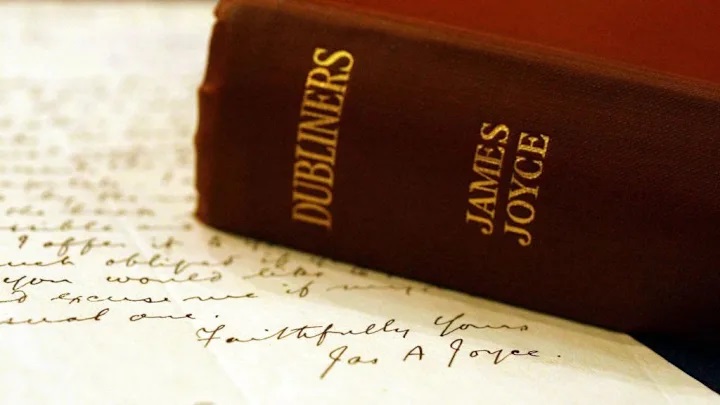
“Dubliners” by James Joyce. Image source: mentalfloss.com
No less remarkable is the fate of James Joyce’s “Dubliners.” The short story collection, published in 1914, was printed in a run of only about 700 copies. The book is considered one of the key works of modernist literature.