5 gas station mistakes you need to stop making.
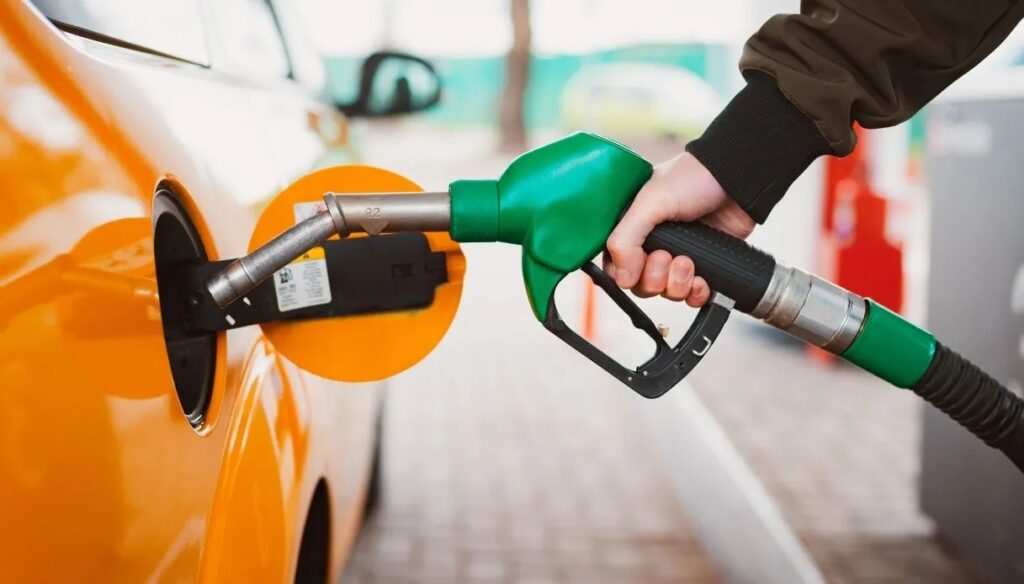
When you’ve been filling up for ten years straight, everything runs on autopilot: insert the nozzle, press, pay, drive off. It’s precisely because of this habit that we make frustrating mistakes — from overheating the fuel pump to simply overpaying for gas.
Why Using Your Phone at the Gas Pump Is a Bad Idea
The scary story that a cell phone can cause a fire at a gas station has long been debunked — there isn’t a single documented case of one igniting gasoline. But phones are still banned at gas stations, and there are reasons for that.
A far more real threat is static discharge. If you get back into your car during fueling, slide across the seat, then step out again and grab the metal nozzle without “discharging” yourself on the car body, a spark can jump between your finger and the metal. And that spark is indeed capable of igniting gasoline vapors.
But the main reason to put your phone away is simpler and more down-to-earth: a distracted person makes stupid mistakes. Pumping the wrong fuel, overfilling the tank, spilling gasoline, or even driving off with the nozzle still in the filler neck — all of this happens precisely when your head is busy with texting instead of fueling.
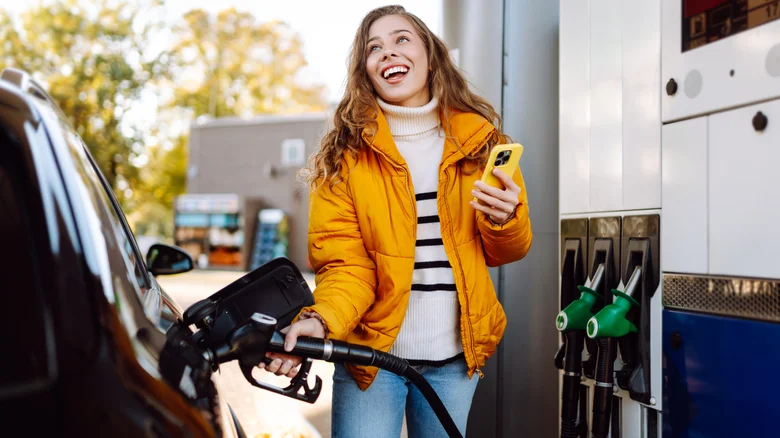
You’d be surprised how many potential mistakes you can avoid by taking a break from your phone at the gas station.
Why the Habit of Driving on Empty Is Dangerous
Many people wait until the last moment and only fill up when the reserve light comes on. You can indeed drive a bit further, but the habit of draining the tank almost dry is harmful to your car.
In most modern cars, the fuel pump sits right inside the tank. It pushes gasoline to the engine under constant pressure, and it heats up during operation — cooling itself by being submerged in fuel. When there’s almost no gas left, the pump becomes exposed, starts working “on air,” and overheats. Air cools far worse than liquid, and the pump can eventually fail.
There’s also a second issue: sediment and fine debris accumulate at the bottom of the tank, having traveled with the fuel all the way from the refinery to your car. When fuel is low, the pump sucks in all that dirt. The mesh filter catches some of it, but it gets clogged — and the pump has to work under strain.
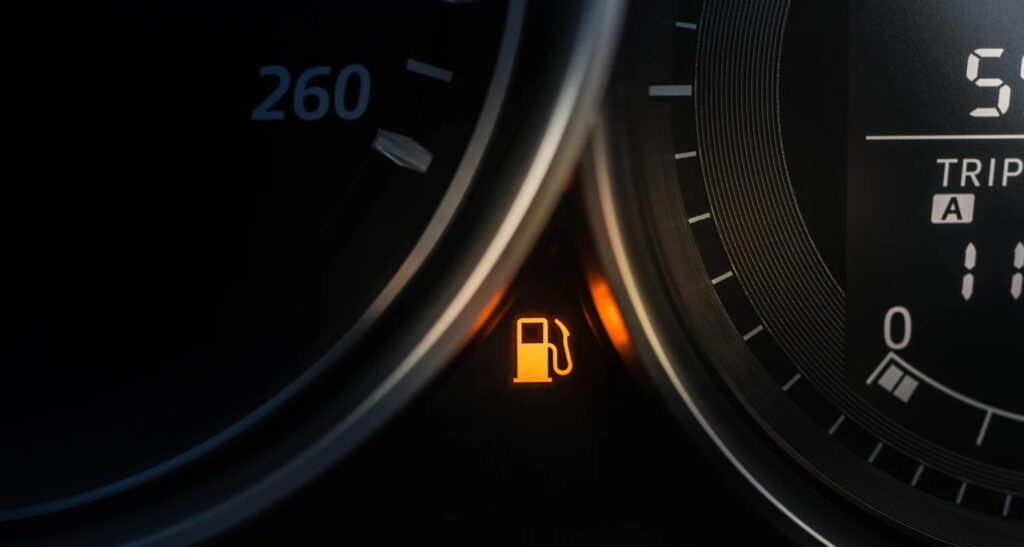
Do you wait until the tank is nearly empty before filling up?
As a rule, it’s recommended to keep at least a quarter tank of fuel. This way the fuel pump always stays submerged and cools properly, the engine is protected from sediment, and you’re protected from the risk of stalling in the middle of the road.
Why You Should Check Tire Pressure at the Gas Station and How to Do It Right
Since you’re already at the gas station, check your tire pressure while you’re at it — ideally at least once a month across all four tires. This affects not only comfort but also tire lifespan. The correct value is listed on the sticker in the driver’s door jamb, separately for front and rear tires.
An important nuance: those numbers are calculated for cold tires — meaning before the car has heated them up on the road. As you drive, tires gradually warm up due to friction, and the air pressure inside rises accordingly. By exactly how much depends on road temperature, vehicle weight, and speed.
So ideally you should measure pressure when the car has been sitting for about three hours and the tires have cooled down. If you’ve already been driving, find a gas station near home — while you’ve driven no more than a couple of kilometers at a calm pace. If you’ve already been driving for more than 20 minutes, inflate to 3–7 PSI above the “cold” spec on the sticker. In extreme heat or with a heavy load, add a little more.
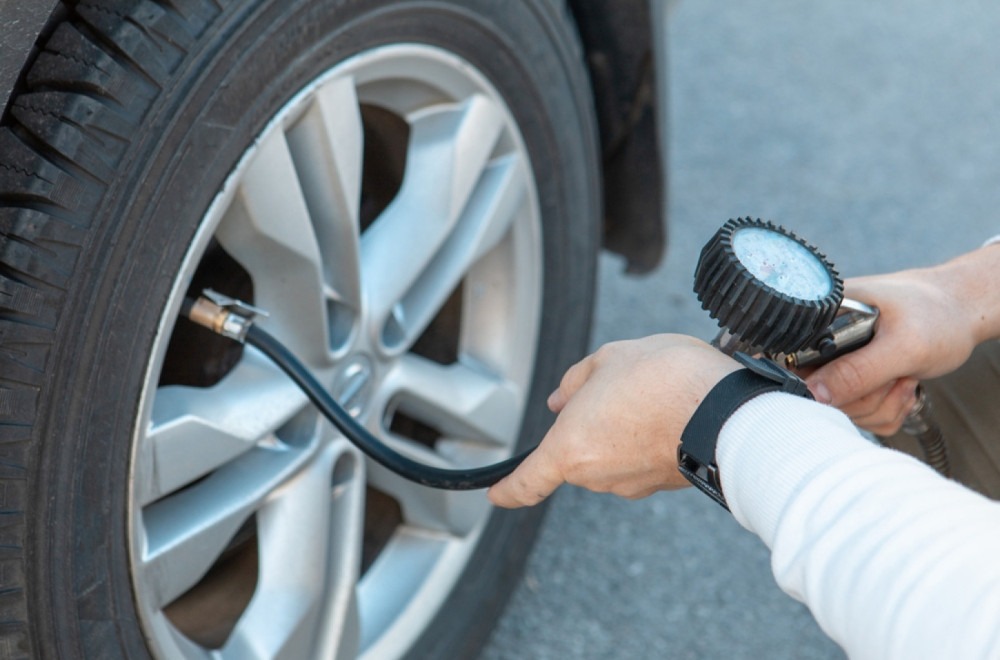
Tire pressure should be checked at least once a month.
The Consequences of Choosing the Wrong Fuel
The most expensive mistake at the gas station is pumping the wrong fuel. If diesel ends up in a gasoline car, it will run for a while and then stall: diesel is thicker and oilier, and it will simply clog the fuel system.
The reverse situation is even worse. Gasoline in a diesel engine acts as a solvent and strips away the oil film without which the engine can’t function properly. The result is draining the tank, replacing fuel system components, and in severe cases, a new engine.
With gasoline, things aren’t entirely obvious either. The octane rating shows how resistant fuel is to pressure and heat before it self-ignites. But a higher octane number doesn’t automatically make the fuel “better.” Every car has a recommended number — it’s listed in the owner’s manual. If you pump fuel with an octane rating lower than required, detonation occurs — that metallic knocking sound in the engine that takes a toll on its lifespan.
On the other hand, pumping expensive high-octane fuel into a regular engine is a waste of money. Such gasoline is designed for powerful and turbocharged engines with high compression. On an engine with a low compression ratio, it won’t provide any benefit: the car won’t go faster, but your wallet will get thinner.
How Overpaying for Gas Becomes a Consequence of Gas Station Mistakes
Fuel prices keep rising, and ignoring ways to save is a strange decision. Some of it even depends on the day of the week: price studies show that fuel often gets more expensive toward the weekend, and sometimes in the middle of the week too. So filling up is more economical at the beginning of the week.
It’s also useful to simply compare prices at nearby gas stations — just as we search for cheap airline tickets. A few minutes of comparison really does ease expenses in the long run.
And lastly: ask your regular gas station about a loyalty program or cashback. Joining these is usually easy, and even small bonus accruals over a year can add up to, say, a free fill-up (or more than one).
Filling up is routine, but it’s precisely because of routine that we switch off our attention and lose money or peace of mind. If you put your phone away, don’t run the tank to empty, check tire pressure, pump the recommended fuel, and keep an eye on prices, your trips will become both safer and cheaper. All five habits are simple — you just need to make them conscious once, and then they’ll go back on autopilot, only this time the right kind.