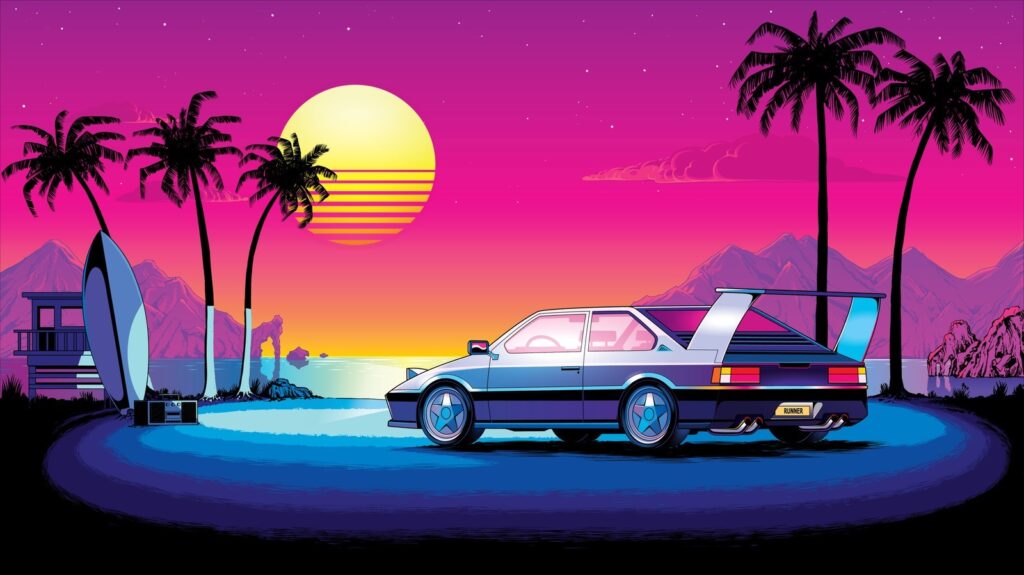
5 cars from the ’80s that are now beloved by the younger generation.
In the 1980s, the auto industry was going through tough times: a fuel crisis, excessive design, and strange engineering decisions. Many models of that era were written off by critics before they even left the assembly line. But here’s the paradox — it’s precisely these “failures” that today’s younger generation adores, a generation that wasn’t even born back then. History has seen plenty of cases where even the ugliest cars eventually became objects of fascination. Here are five cars that went from being laughingstocks to achieving cult status.
DeLorean DMC-12: A Time Machine That Actually Came Back
If there’s one quintessential symbol of automotive failure in the ’80s, it’s the DeLorean. The company planned to produce 12,000 cars, but during the entire production run from 1981 to 1983, only about 9,000 units were assembled — and even those couldn’t all be sold. In the first year, out of 7,500 produced, only 3,000 were sold. The car cost $25,000, nearly as much as a Porsche 911, but fell short in literally every category: handling, build quality, and performance. The V6 engine produced a modest 130 horsepower, and the 0-to-60 acceleration took over 10 seconds.
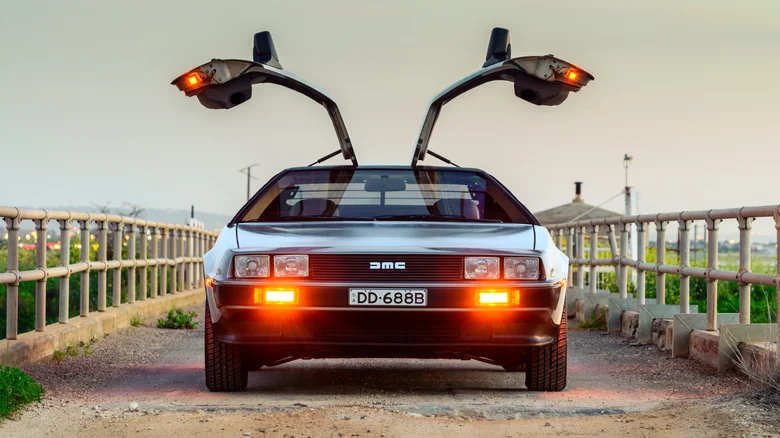
According to insurance companies, more than a quarter of owners are millennials who weren’t even alive when this car was produced.
Everything changed in 1985, when the movie “Back to the Future” was released. The quirky sports car with gullwing doors and a stainless steel body became the most recognizable movie car in history — on par with James Bond’s Aston Martin. According to insurance company data, Generation X accounts for 41.3% of insurance inquiries for the DeLorean (compared to a market average of 32.3%). And millennials (people, most of whom weren’t even around during the car’s production) account for another 26.8% of inquiries. The average price of a DeLorean DMC-12 in good condition has already surpassed $46,000 — double what it was ten years ago.
Pontiac Fiero: From Spontaneous Combustion to Cult Status
The Pontiac Fiero appeared in 1984 and almost immediately earned a bad reputation — primarily due to its tendency for engine fires. The project was underfunded by General Motors from the very start, and although about 400,000 cars were produced over four years, sales steadily declined. In 1988, the assembly line was shut down for good.
But in recent years, prices for used Fieros have been climbing. According to the same insurance data, 65% of people requesting insurance for the Pontiac Fiero belong to Generation X or younger — higher than the average share of young buyers across the entire collector car market. The volume of insurance inquiries grew faster than the market in 2021 and 2022.
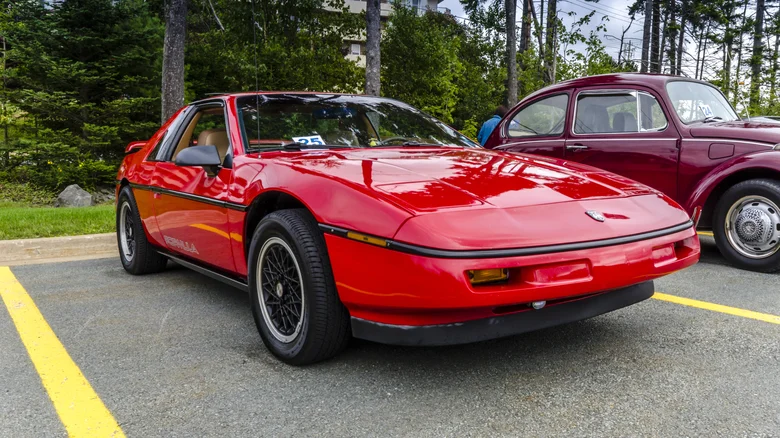
Pontiac Fiero — a mid-engine sports car from the ’80s that found a second life among young collectors.
Today, the Fiero is seen as a fun, slightly awkward, but charismatic car with its unique construction (mid-engine layout), excellent tuning potential, and that unmistakable ’80s charm that simply can’t be faked.
Toyota MR2: A Japanese Answer Appreciated Decades Later
The Toyota MR2 debuted in the same year, 1984, and directly competed with the Fiero. Unlike its rival, the MR2 even received the prestigious “Car of the Year” award in Japan. But over time, sales declined, and in the mid-2000s, Toyota completely discontinued the model.
Years later, interest in the MR2 unexpectedly returned. According to insurance company data, millennials account for nearly 50% of buyer interest in the first-generation MR2 (1984–1989) — twice the market average for that generation. Prices, predictably, have been going up.
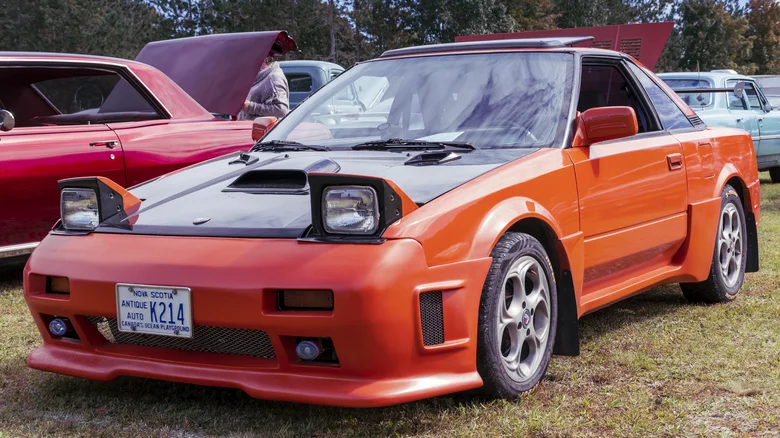
Toyota even has long-term plans to revive the MR2.
Interestingly, Toyota has long-term plans to revive the MR2, and if they come to fruition, interest in the original will only grow. Automotive blogger Jay from the JayEmm on Cars channel recommended buying an MR2 back in 2023 as one of the cars with the greatest potential for value appreciation.
Ford Mustang Fox Body: The Longest “Failure” in Mustang History
The third-generation Ford Mustang on the Fox Body platform was produced for a record 14 years — from 1979 to 1993. But a record production run didn’t mean record affection. The authoritative publication TopGear called the Fox Body V8 an “epic failure” of its time: it didn’t look like a Mustang, its V8 produced a pathetic 118 horsepower, and overall the car was slow and full of compromises. Ford was so disappointed that it nearly replaced the Mustang with the front-wheel-drive Ford Probe. Only fan outrage saved the model.
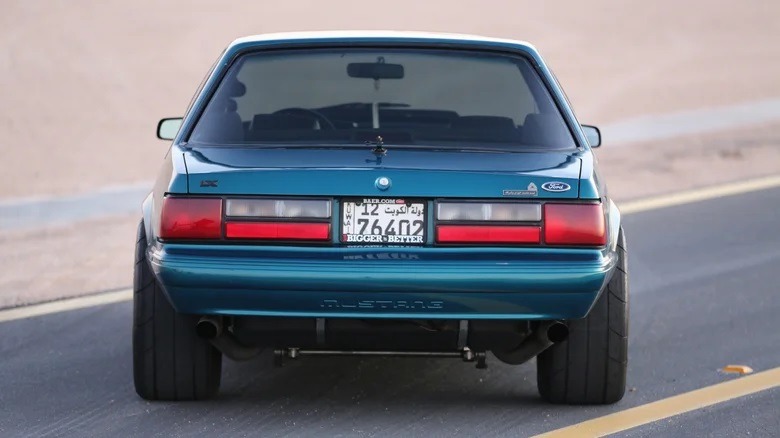
Ford Mustang Fox Body — a car Ford nearly buried, but fans resurrected it.
Today, the Fox Body is experiencing a true renaissance. The phenomenon has even earned its own name — “Fox Body Boom”. Restomods, a thriving aftermarket parts industry, and a new wave of enthusiasts are driving up interest and prices. The hashtag #foxbodymustang has racked up over 181,000 posts on a certain social network — for a model once considered the worst Mustang in history, that’s impressive.
Buick Grand National GNX: The “Darth Vader” of Muscle Cars
The Buick story was even more unexpected. In the ’80s, Buick was associated with cars for retirees — leisurely, respectable, boring. And then suddenly the company releases an all-black, menacing-looking muscle car that immediately earned the nickname “Darth Vader’s car” (who, by the way, never actually said “Luke, I am your father,” if you know what I mean).
The 1987 Grand National GNX is a story unto itself. Under the hood sat a turbocharged V6 with a rated 276 hp (real power, by most estimates, was even higher). A 0-to-60 time of 4.7 seconds — in 1987, that was enough to outrun a Lamborghini Countach. Only 547 GNX units were ever built — and that limitation was intentional.
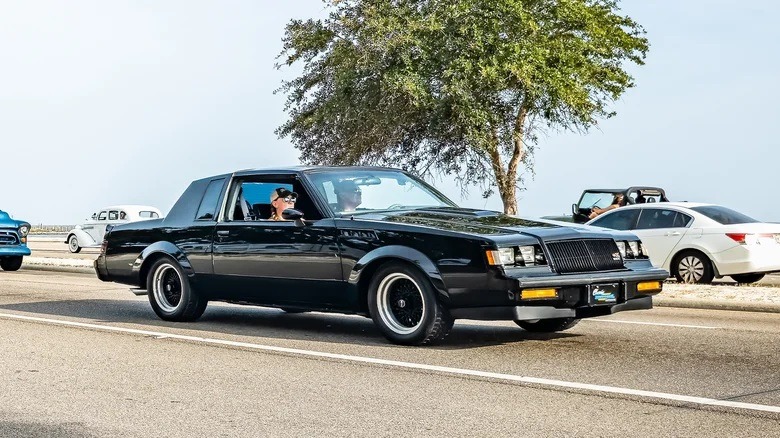
Buick Grand National GNX — an all-black 1987 muscle car that outran the supercars of its era.
A new GNX cost around $29,000, but today prices for collector examples have skyrocketed to entirely different heights. The record sale price for one of the last Grand Nationals at auction was $550,000. The average GNX price hovers around $185,000. Rarity is often more important than specs: some cars are impossible to buy even if you have the money.
A separate boost in popularity came from rapper Kendrick Lamar. In November 2024, he