After the release of Android 17 with new features, HyperOS 3.1 has expanded its reach and is now available for 40 Xiaomi, Redmi, and Poco smartphones worldwide. The firmware includes global, European, and Russian versions, so some updates directly apply to devices sold and used in various regions. The key thing to understand: being on the list doesn’t mean the update will arrive right now. Some builds have gone into public rollout, while others are still only available through Xiaomi’s beta program. Below we break down who should expect the update and who shouldn’t rush.

Here are all the smartphones that will receive the update
HyperOS 3.1 Update Rollout on Xiaomi
According to the latest data, HyperOS 3.1 firmware has already been released for 40 devices from Xiaomi, Redmi, and Poco on global markets. The update covers Xiaomi flagships, mid-range Redmi models, and Poco-branded devices.
This is a logical continuation of the plan Xiaomi announced several months ago. Back in March, the company confirmed that HyperOS 3.1 would first come to a long list of devices in China — including the Xiaomi 17 series, the Xiaomi 15 lineup, Redmi K-series smartphones, and several tablets. At the same time, global builds were spotted on Xiaomi’s servers, pointing to an imminent international launch.
Which Xiaomi Phones Got HyperOS 3.1
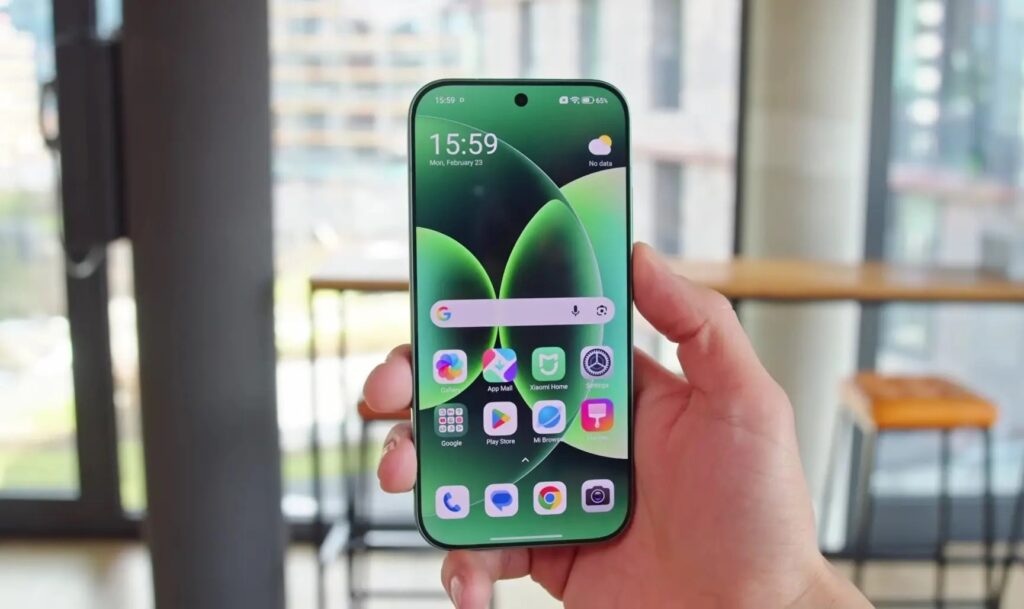
The latest Xiaomi flagships have already received the update. Image: GSMArena
The flagship lineup includes both brand-new models and devices from previous years. Many HyperOS 3.1 builds are available in three versions — global, European, and Russian, which is important for those who purchased their phone in Russia or through parallel imports:
- Xiaomi 17 Ultra and Xiaomi 17 — global, European, Russian versions
- Xiaomi 15T Pro and Xiaomi 15T — global, European, Russian versions
- Xiaomi 15 Ultra and Xiaomi 15 — global, European, Russian versions
- Xiaomi 14 Ultra and Xiaomi 14 — global, European, Russian versions
- Xiaomi 14T — global and European versions
- Xiaomi 13 Ultra — global, European, Russian versions
- Xiaomi 13 Pro and Xiaomi 13 — European version only
- Xiaomi Mix Flip — global, European, Russian versions
If your smartphone isn’t here, don’t rush to be disappointed: the rollout happens in waves, and the list will certainly be expanded.
Redmi and Poco: Which Models Are Getting HyperOS 3.1
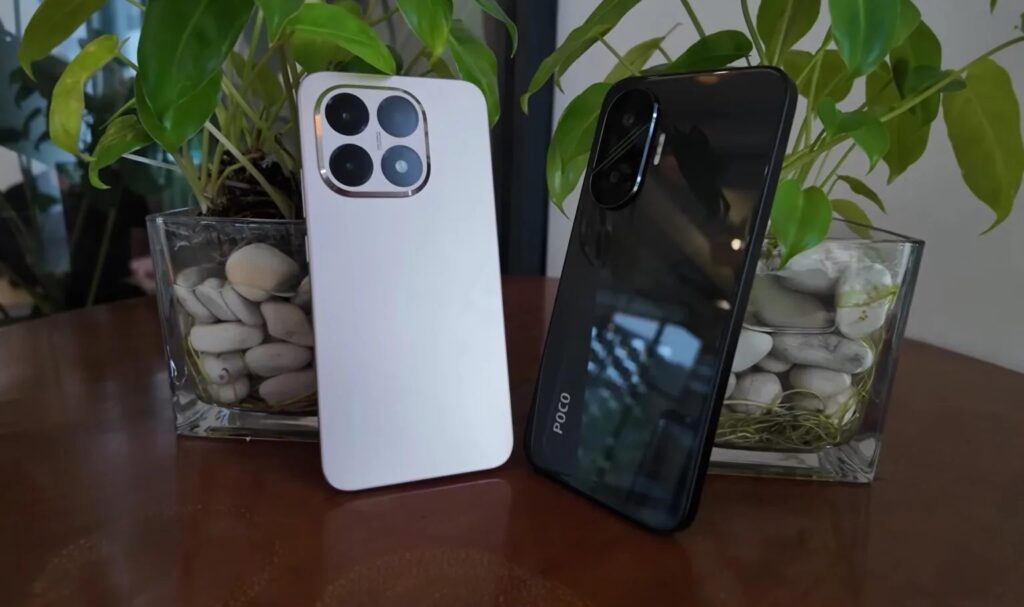
Some Redmi and Poco devices also received the update. Image: MendangMending
For Redmi, the update mainly covers the Note lineup and lower-tier numbered models. Russian versions were released for Redmi Note 14S, Redmi Note 13 Pro, and Redmi 15 — these are the most popular mid-range models in the region:
- Redmi Note 15 Pro+ 5G, Note 15 Pro 5G/4G, Note 15 5G/4G — global and European versions
- Redmi Note 14 Pro 5G/4G and Note 14 4G — global and European versions
- Redmi Note 14S — global, European, Russian versions
- Redmi Note 13 Pro+ 5G, Note 13 Pro 5G, Note 13 Pro — up to Russian version for the regular Pro
- Redmi 15 — global and Russian versions
- Redmi 15C 5G and Redmi 13 — global and European versions
The Poco situation is interesting: several models received Russian firmware. Among them are Poco F7 Ultra, F7 Pro, F6 Pro, X8 Pro Max, X8 Pro, X7 Pro, M7, and M6 Pro. Poco X8 Pro Max is particularly noteworthy — it only has a Russian version listed, which is uncommon:
- Poco F7 Ultra and F6 Pro — global, European, Russian versions
- Poco F7 Pro — global and Russian versions
- Poco F6 — global and European versions
- Poco X8 Pro Max — Russian version only
- Poco X8 Pro and X7 Pro — global, European, Russian versions
- Poco M7 — global and Russian versions
- Poco M8 5G, M6 Pro, M6 — global and European versions
Why You Haven’t Received the HyperOS Update
Here’s an important nuance that answers half the questions. HyperOS updates don’t become available to all users at once: some builds are marked as public releases, while others are still limited to Xiaomi’s beta testing program called Mi Pilot.
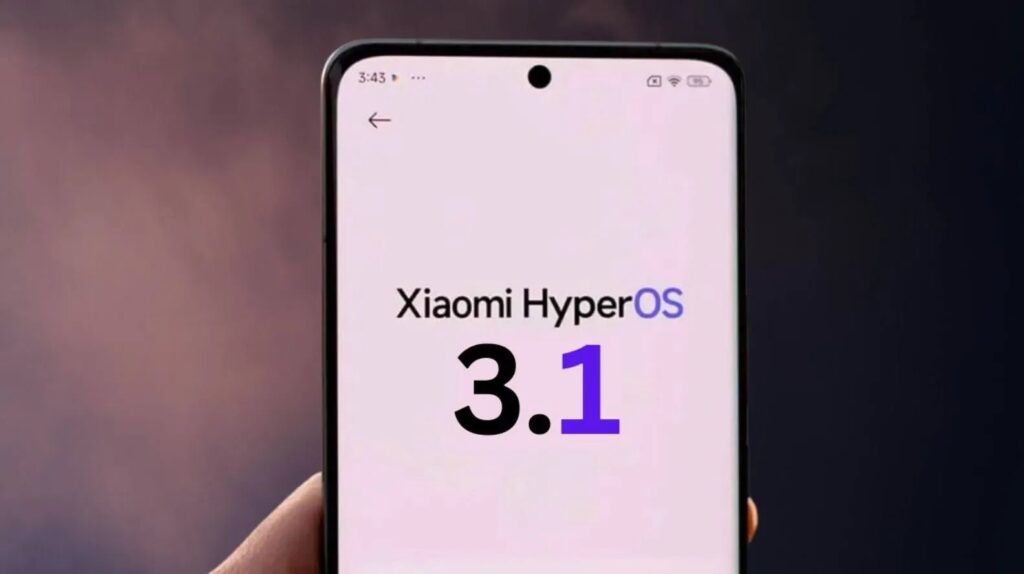
Not all Xiaomi phones will receive the update. Image: phonekhabri.com
Simply put, the firmware being on the servers doesn’t equal an “Update” button in your phone’s settings. If a build is still in the testing stage, it’s distributed to a limited group of participants, and the mass rollout begins later. So if your model is on the list but the update hasn’t arrived, that’s normal — just wait.
Should You Update to HyperOS 3.1 on Xiaomi Now
If your smartphone is on the list and the update has already arrived officially over the air, you can install it. It’s the same shell as before, with improvements and fixes, not a complete system overhaul. Before installing, make a backup and put your phone on charge.
However, there’s no need to chase the firmware from beta programs or third-party sources — especially if the phone is your only one and you need it for work. Early builds sometimes bring minor bugs, and for a mainstream model, it’s wiser to wait for a stable public release. By the way, HyperOS 4 is coming soon as well.