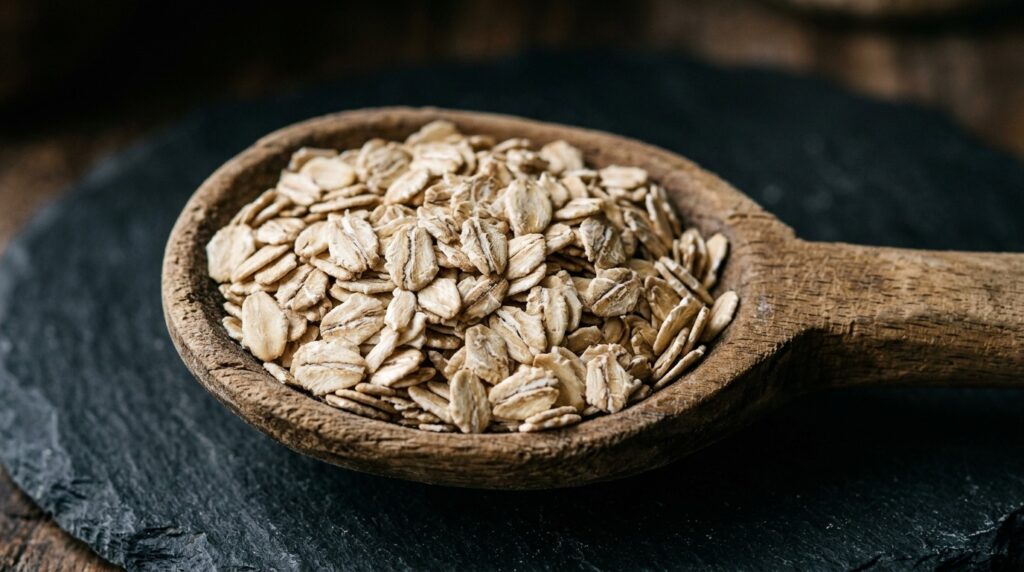
Oatmeal is healthy, but there are ways to make it even better
Every morning I eat oatmeal, considering it the perfect start to the day. The main thing is that the oatmeal shouldn’t contain unnecessary additives. Recently, I unexpectedly dove deep into the topic of oatmeal preparation and found two new methods that help you get the most out of this dish. It turns out that the methods we’re used to often strip the grain of important micronutrients, and the right approach can dramatically change the nutritional value of your breakfast.
Which Oat Flakes Provide Long-Lasting Satiety
Before choosing a preparation method, it’s important to decide on the grain itself. For maximum benefit, you should only use oat flakes that require long cooking times. For example, classic old-fashioned rolled oats are an excellent option.
These flakes contain significantly more natural fiber and are digested gradually by the body. As a result, they have a lower glycemic index compared to instant oatmeal packets, which ensures stable energy levels and a long-lasting feeling of fullness.
Overnight Cold-Soaking Oatmeal
This method was a real revelation for me because it completely eliminates heating. From a scientific standpoint, prolonged soaking breaks down phytic acid in the grain. This compound is insidious because it can bind minerals in the intestines and prevent the full absorption of iron and zinc. Without boiling, we also preserve vitamins that are typically destroyed at high temperatures.
The preparation process is extremely simple:
- Take rolled oats and cover them with liquid (regular or plant-based milk, kefir, or just water will work);
- Add a pinch of salt for flavor balance and mix thoroughly;
- Cover the container with a lid and place it in the refrigerator;
- Let the mixture sit for at least 4–6 hours, and ideally — overnight.
In the morning, you’ll have a tender and maximally nutritious porridge ready to eat. You can eat it cold straight from the fridge or warm it up slightly if you prefer a warm breakfast.
Cooking Oatmeal with Water
The second healthy method is ditching fatty cow’s milk in favor of plain water. Properly cooked oatmeal made with water becomes an excellent source of protein and is easily absorbed by our digestive system without unnecessary strain. I didn’t know this, so I used to cook it with milk, just like our parents made it for us in childhood.
The main advantage of this method lies in the work of soluble fiber. Once in the body, it actively helps lower levels of bad cholesterol in the blood, making this breakfast an excellent way to prevent cardiovascular diseases.
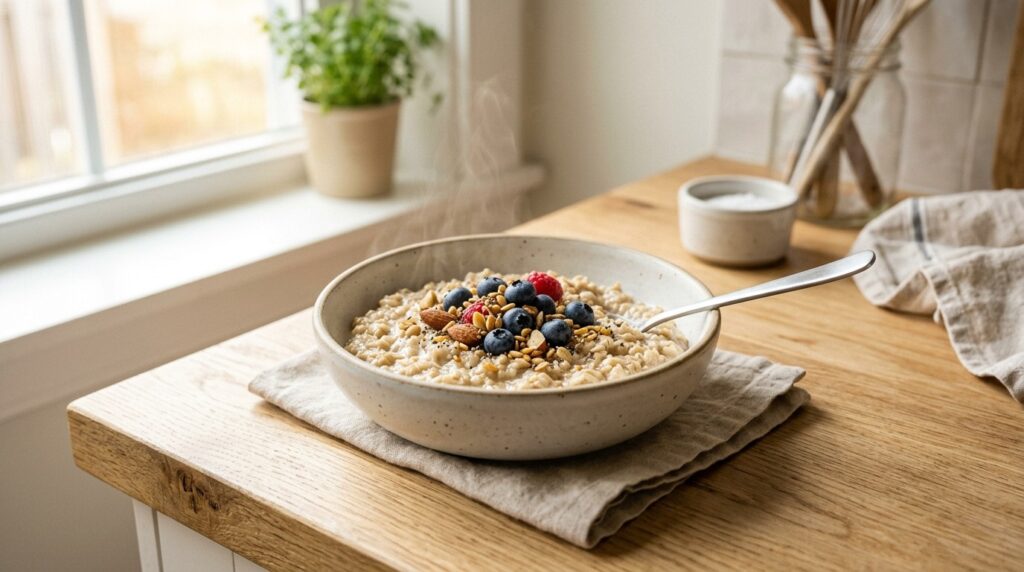
Porridge made with water doesn’t overload the stomach in the morning
What to Add to Oatmeal for the Perfect Taste
Since oatmeal made with water or soaked oats can taste bland, I always add something more flavorful. The main rule here is to use only natural ingredients. The right additions greatly increase the nutritional value of a serving and make the taste rich without a single gram of added sugar.
Here are the best options for enhancing your morning porridge:
- Fresh or frozen berries (strawberries, blueberries, cranberries) — serve as a powerful vitamin boost;
- Dried fruits (prunes, dried apricots, figs) — provide natural sweetness and replenish micronutrient stores;
- Nuts — supply the body with healthy fats, plant-based protein, and important vitamin E;
- Chia, flax, or pumpkin seeds — add valuable omega-3 fatty acids to your diet;
- Spices (cinnamon, vanilla, cocoa) — have mild anti-inflammatory properties.
Now I alternate between these two approaches: if I have time in the evening, I make lazy overnight oats in a jar, and if I forget — I cook them in the morning with water, berries, and nuts. This allows me to get both culinary pleasure and real health benefits from breakfast every day.