If you’ve ever tried to find a decent stream of a raid or a castle siege on Twitch — you know what it’s like. You scroll through the category, see three or four channels with zero viewers, one of which is clearly a bot, and close the tab. Meanwhile, the genre is alive, people are playing, events are happening — it’s just that the audience and streamers exist in parallel universes.
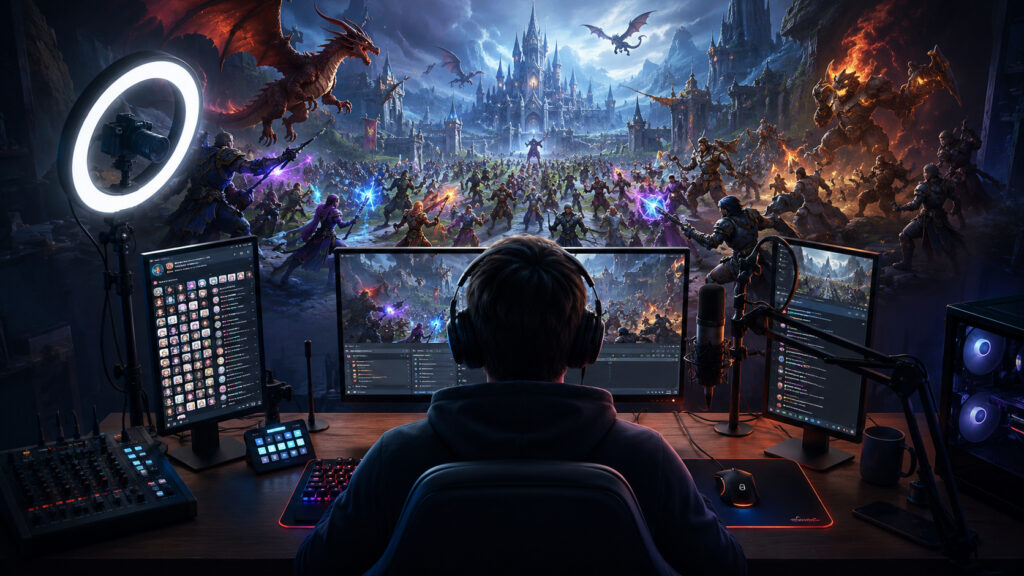
Streaming MMORPGs is no easy task
I’ve been watching how game streaming has been developing for a long time, and MMORPGs occupy a strange position in this landscape. The genre is complex, sessions are long, and the entry barrier for a new viewer is high. Jumping into the middle of a castle siege and immediately understanding what’s happening is virtually impossible without context. Major platform algorithms sense this — or rather, they sense the low click-through rate on previews from random audiences — and simply stop promoting such content.
The Algorithm Isn’t to Blame — the Logic of Mass Products Is
Twitch and YouTube are reach machines. They’re optimized for the widest possible audience: short clips, quick reactions, vertical formats. MMORPGs don’t fit organically into this logic. A raid on the final boss can take two hours, and that’s normal — but the algorithm sees a long session with low retention among random viewers and simply doesn’t promote it.
Then there are categories. On Twitch, in the “MMORPG” section, there’s near-monopolistic chaos: major titles like Final Fantasy XIV or World of Warcraft take almost all the traffic. If you’re streaming something less well-known, the algorithm buries you so deep that people physically can’t find you. The advice to “stream regularly and you’ll get noticed” works for a typical shooter, but not for a niche MMORPG.
Copyright is a whole separate story. Major platforms mute music in VODs, and some MMORPGs contain licensed tracks. The result — the streamer gets muted recordings, which kills the archival value of the content. Smaller creators complain about this constantly.
Why Long-Form Content Is Hard to Monetize
Advertising on streams works through impressions and clicks. A viewer who sits for four hours on one channel generates proportionally fewer “ad events” than one who watches twenty short videos in the same four hours. Platforms know this and pay accordingly. The long-term loyal audience of an MMORPG streamer monetizes worse than an equally sized audience of a shooter or card game streamer.
This creates a vicious cycle: little money — little incentive to stream — little content — the audience doesn’t come — even less money. The average MMORPG streamer lives on donations and subscriptions because ad revenue doesn’t even cover the rent of a good game server.
What Niche Platforms Are Trying to Do
In the last couple of years, projects have been emerging that operate on a different logic. Not “gather everyone” but “gather your own.” A niche platform can afford what Twitch cannot: manual curation, special categories for specific game mechanics, and communities built around the genre.
A place to watch MMORPG streams
One such project is Stream Space, a platform focused specifically on game streaming, primarily MMORPGs. Raids, sieges, massive PvP — none of this gets lost here in a sea of mobile game and casino content. An important point: the platform fundamentally refuses to work with betting and gambling, which alone sets it apart from some competitors where game streaming sits alongside poker and bookmakers.
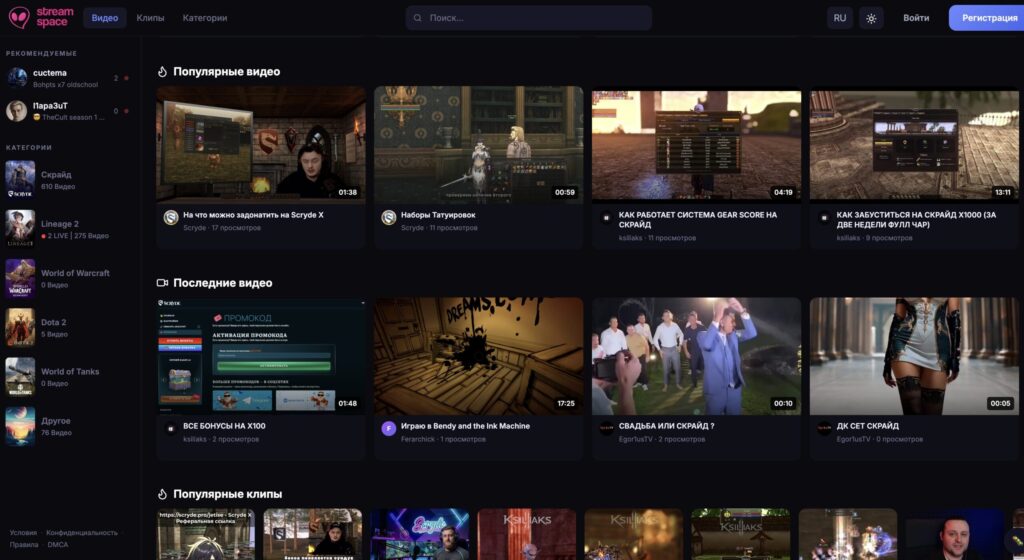
Videos for every taste
The platform is being developed by the SCRYDE TECH team — the developer of the online game Scryde, so their understanding of how MMORPG players live and what they think about is clearly not just theoretical. The project is young, the audience is still small, and functionality is still growing. But that’s exactly what makes it interesting to watch: how a niche product made by people from within the genre will compete with universal giants.
Prospects for Niche Streaming
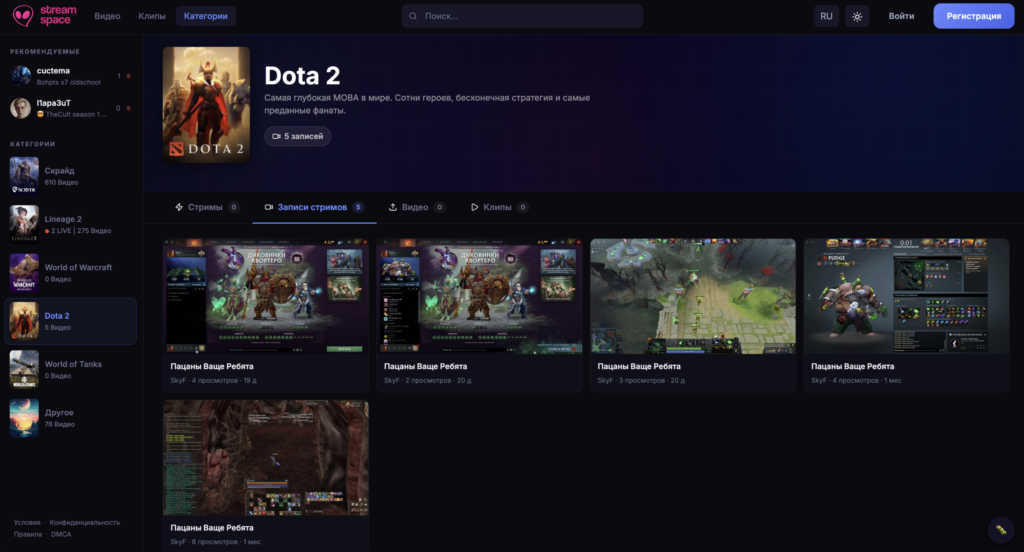
You can choose a specific game and watch only that
I don’t think anyone will “kill” Twitch in the foreseeable future. But niches work differently. Discord servers for specific MMOs gather tens of thousands of people you won’t find on Twitch. Themed YouTube channels about the mechanics of specific games build audiences slowly but steadily. People want their own place where they can speak the same language.
A niche streaming platform for MMORPGs is not a utopia. It’s the logical next step after themed forums turned into Reddit, and Reddit turned into Discord. Each time, the audience migrates to where there’s less noise and more of their own people. Streaming is no exception.
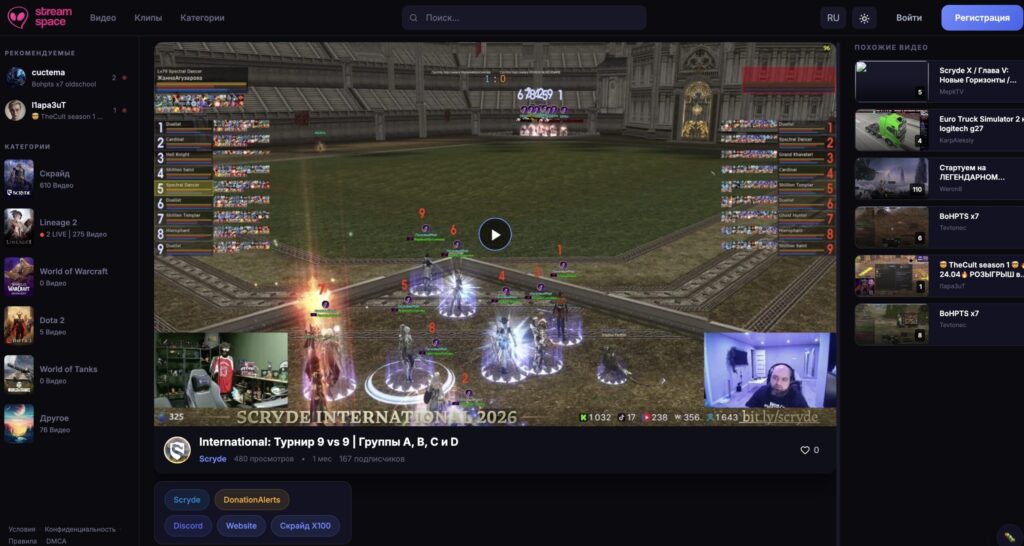
Everything is here for convenience
The MMORPG problem on major platforms won’t solve itself as long as reach algorithms rule there. Niche platforms don’t have to be perfect from day one. They just need to be right in spirit — and give the streamer the feeling that they’re being watched by people who are genuinely interested.