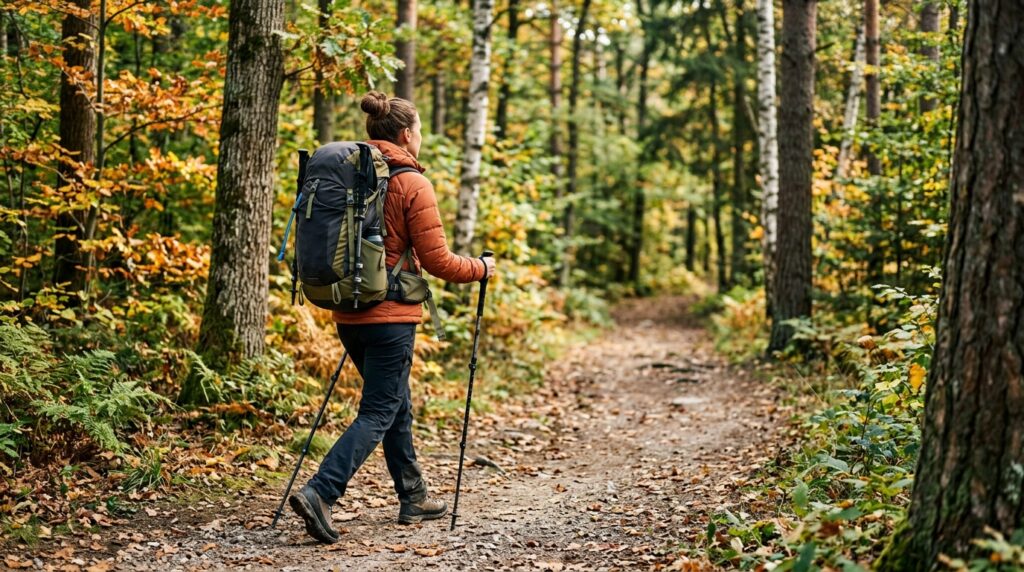
Walking with a heavy backpack is trendily called rucking
A new trend is gaining popularity online that has long been known as rucking. Essentially, it’s simply walking with a weighted backpack. If you fill a bag with groceries, books, and other heavy items, you get an inexpensive form of strength training. And you can’t call this a useless blogger invention, because this type of physical activity genuinely helps get in shape and build a more athletic body.
What Is Rucking in Simple Terms
In short, rucking is a walk with a backpack that has added weight. You don’t need to buy anything special — just fill a bag with whatever you have on hand. Water bottles, books, canned goods, or dumbbells all work. Throw it all in a backpack and go for a walk. In other words, a backpack makes your walks even more beneficial.
Rucking owes much of its popularity to David Goggins, a former U.S. Navy SEAL, who adapted an element of military training for civilian life. Soldiers have long performed grueling forced marches with backpacks filled with gear and supplies during training — this prepares them for situations where they need to cover long distances carrying heavy loads. This was reported by the authors of the website IFL Science.
Most of us, of course, will never need to test these skills in actual combat. But the benefits of carrying a backpack will definitely be noticeable in everyday life. You can walk with weight anywhere — on streets, in the forest, or in the mountains — and for as long as you like.
How Walking with a Backpack Helps You Lose Weight
The main difference between rucking and a regular walk is the additional load on your muscles. The extra weight forces the body to spend more energy covering the same distance. This is confirmed by studies on exercises with weighted vests. Experiments showed that carrying extra load while walking requires more effort, which means more calories burned.
The logic here is very simple, and you can easily feel it yourself. Climbing stairs without any load is one thing, but with a heavy bag of groceries — it’s a completely different story, even though the number of steps is exactly the same. A backpack on your back works on the same principle throughout the entire walk.
That’s exactly why walking with a heavy backpack turns a light exercise into a full-body strength workout. The intensity is regulated by three simple things: the weight of the backpack, the pace of walking, and the length of the route. If you want more load, just add weight or speed up; need it easier — reduce it.
How a Backpack Affects Bones and Endurance
The health benefits of rucking go beyond just weight loss. Weight-bearing exercise helps strengthen and maintain bone health, making them denser. Studies with weighted vests show this effect especially noticeably in the knees, ankles, and hips.
Denser bones improve balance and make everyday movements easier, and with age, they help protect against fractures. Essentially, regular walking with weight can work as bone disease prevention for years to come.
There’s another bonus not directly related to muscles and bones. Rucking almost always gets a person outdoors, and scientific literature is full of data about the benefits of spending time in fresh air, especially in nature. The exact reasons are not yet fully understood, but being among greenery reduces stress and helps decrease anxiety, depression, and fatigue.
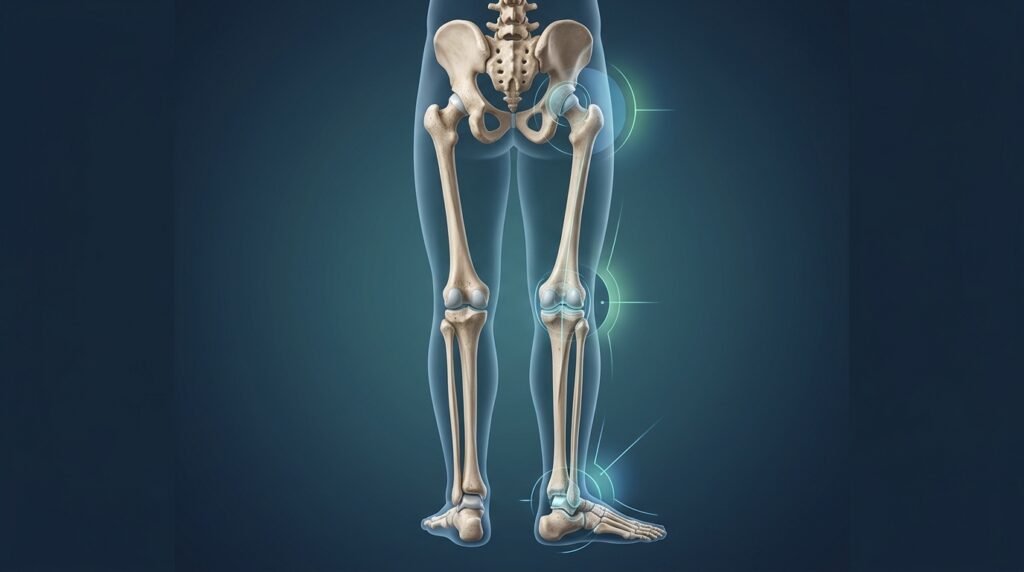
Weight-bearing exercise especially affects the bones of the knees, ankles, and hips
The Dangers of Walking with a Backpack
Like any exercise, rucking is not without risks. Sometimes the combination of extra weight and uneven terrain makes walking with a backpack riskier than many other workouts.
Data from soldiers who regularly walk with loads shows a range of possible problems:
- back pain;
- shin pain from overload;
- lower body fractures;
- blisters;
- knee pain.
The reason is that the added weight changes your posture while walking and running. Walking with a heavy backpack forces you to lean your torso further forward and changes your stride length, causing the knee to bend differently than usual.
Individually, these changes aren’t dangerous. But when fatigue from long walking is added, the risk of injury increases. Fortunately, injuries occur less frequently during walking than during running with weight, so you should only pick up the pace when your body is ready for it.
How to Start Walking with a Backpack Safely
The main principle for a beginner is gradualness. Start gently, with a small weight, and increase the load as you adapt. Don’t stuff the backpack to the brim right away — it’s better to first get used to the sensation of walking with a load.
To safely start rucking, follow a few simple steps:
- Start with a light weight that doesn’t change your usual gait;
- First increase the length of your walk and only then pick up the pace;
- Watch your posture — don’t lean your torso too far forward;
- Listen to your fatigue and don’t push yourself to the point where your walking technique changes;
- Carefully add weight or speed only when you feel ready.
A separate note for those with back, joint, or knee problems. Since rucking increases the load precisely on these areas, if you have chronic pain or injuries, it’s wise to consult a doctor first.
This article is not a substitute for medical consultation, and if in doubt, it's better to see a specialist.
The main value of walking with a backpack is that it turns a regular walk into a workout without a gym, memberships, or expensive equipment. Walking burns more energy, strengthens bones, gets you into fresh air, and remains accessible to almost everyone.