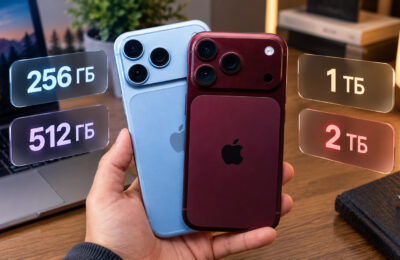
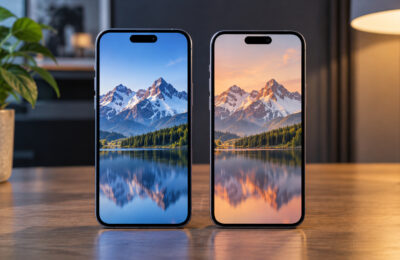
We already know pretty much everything about the iPhone 18 Pro, from the new cool body colors to the internals, but practically nothing was known about the base version. And now it’s clear why. Apple has apparently decided to seriously cut costs on the standard iPhone 18. A well-known Chinese insider claims that the company is deliberately simplifying the manufacturing processes of the base model, bringing it closer to the budget iPhone 18e. Let’s break down what this means for buyers and whether it’s worth worrying about.
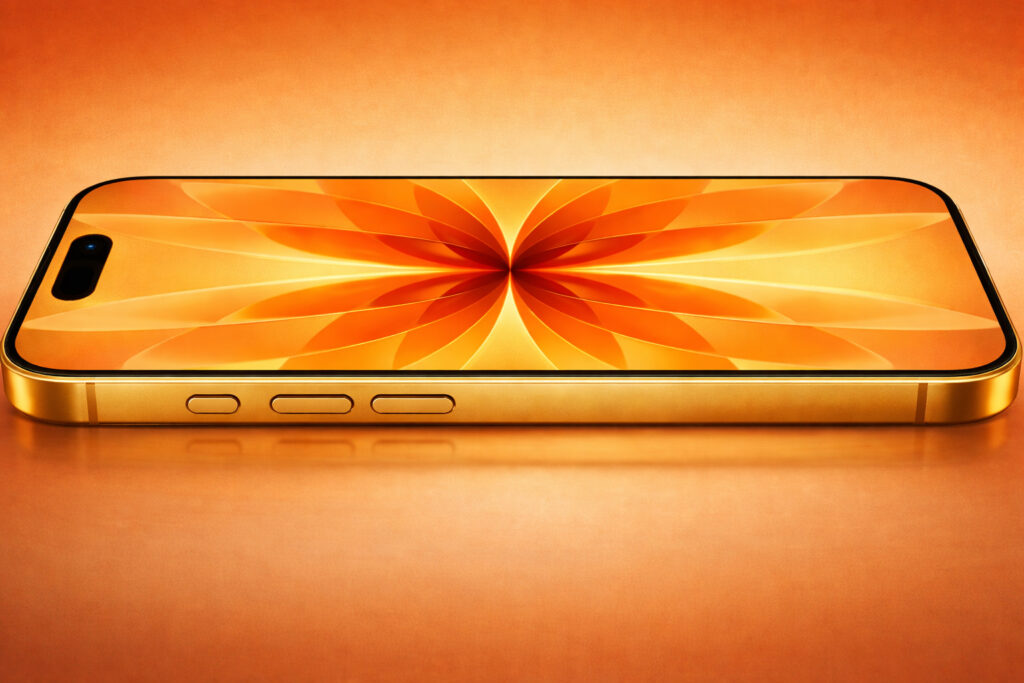
Imagine that this could be not only the iPhone 18, but also the 18e
Why Apple Decided to Simplify the Base iPhone 18
Chinese insider Fixed Focus Digital, known for his accurate predictions, published a series of posts on Weibo about the upcoming iPhone 18. According to him, Apple has decided to reduce the cost of the base model by simplifying manufacturing processes. It’s not about a single component but a comprehensive approach: changes will affect chips, memory, and assembly technologies.
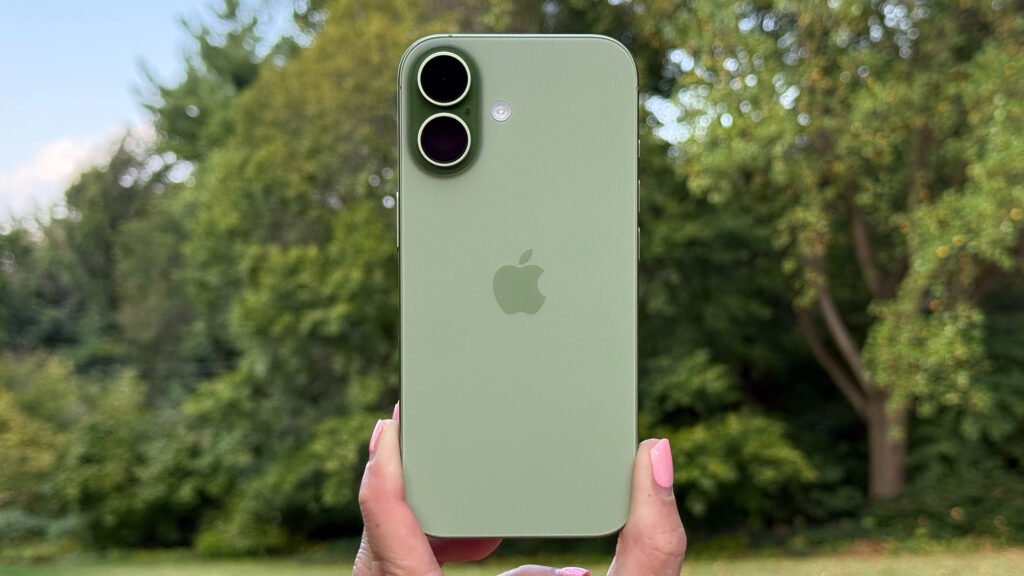
Apple will even keep the previous design to avoid investing in development
The result of these measures is that iPhone 18 will effectively come closer in specs to the budget iPhone 18e, with which they are now expected to launch at the same time. For Apple, this is a new cost-saving strategy that the company hasn’t applied at this scale before.
The insider emphasizes that the information has been confirmed from several independent sources. Notably, this same source previously correctly predicted that the iPhone 17e would retain the “notch” instead of Dynamic Island — contrary to false rumors suggesting otherwise. This adds a certain degree of credibility.
What’s Forcing Apple to Cut Costs on iPhone 18
There are several reasons here, all related to the current market situation.
First, the memory price crisis, which has already caused the company to delay the release of Mac Studio and MacBook Pro OLED. The industry is experiencing a real shortage of RAM — all because of the AI data center boom. Demand for DRAM vastly exceeds supply, and prices continue to rise. Analyst Ming-Chi Kuo and other experts have long warned that this would impact smartphone manufacturing costs. Tim Cook acknowledged at the latest earnings call that Apple is in a “supply chase” mode for memory.
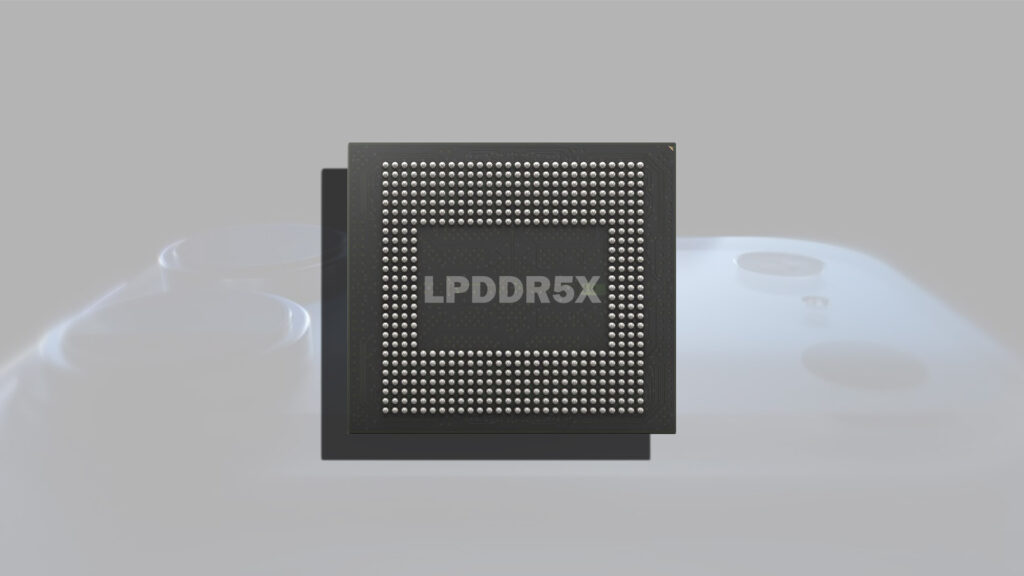
Memory is one of the reasons for cost-cutting
Second, tariff wars and instability in supply chains. Apple has to balance between rising manufacturing costs and the desire to keep the iPhone 18 price at the familiar $799 mark. Raising the price means losing customers. Reducing margins isn’t Apple’s style. That leaves a third option: make the device cheaper to produce.
Third, the simultaneous release of iPhone 18 and iPhone 18e. If both devices launch at the same time and use similar components, Apple achieves economies of scale. Instead of two different production lines — one, but more efficient. From a business perspective, this makes sense, although base model buyers have little reason to celebrate.
Differences Between iPhone 18 and iPhone 18e
This is where it gets really interesting. Currently, the difference between iPhone 17 and iPhone 17e is quite noticeable: Dynamic Island instead of the notch, a larger screen, 120Hz ProMotion, higher brightness, an improved front camera, an ultra-wide-angle lens, and a larger battery.
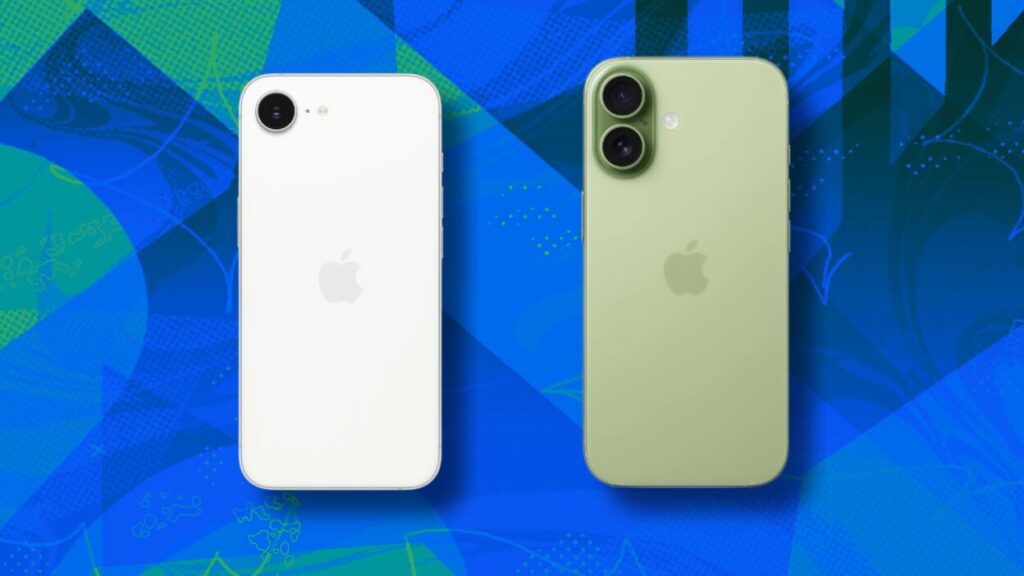
There were many differences between iPhone 17e and iPhone 17, but next year that won’t be the case
If Apple truly brings iPhone 18 and iPhone 18e closer together, some of these differences may simply disappear. Which ones exactly — that’s still unknown. But there are some assumptions.
According to rumors, iPhone 18e may get Dynamic Island and a 6.3-inch screen — meaning both devices would become virtually indistinguishable on the outside. If you add simplified components in the base iPhone 18 to this, the difference between the models will be reduced to a minimum. And then a natural question arises: why pay more?
Among the possible “simplifications” in the iPhone 18, there’s talk of using slower LPDDR5X memory instead of a newer standard, a simplified Camera Control without sapphire glass, slightly lower-quality body finishing, and possibly disabled processor cores to improve chip yield rates. However, insiders note: whatever Apple changes, for the average user it will be practically unnoticeable. The company won’t sacrifice the feeling of premium quality.
iPhone 18 Release Date
Another important detail — iPhone 18 won’t launch in the fall, as everyone is used to. For the first time in history, Apple is splitting the lineup into two launches.
In the fall of 2026, roughly in September, the company will unveil only the premium models: iPhone 18 Pro, iPhone 18 Pro Max, and the foldable iPhone Ultra (also known as the iPhone Fold). The latter is rumored to cost over $2,000 — making it the most expensive iPhone ever. And Huawei has already shown what the foldable iPhone Ultra might look like.
Meanwhile, the base iPhone 18, iPhone 18e, and updated iPhone Air 2 will only appear in spring 2027, roughly in March–April. So if you buy a regular iPhone every year, this time you’ll have to wait an extra six months.
Analysts explain this decision with several factors. Apple wants to give each device more attention: in the fall, everyone will be talking about the foldable iPhone and Pro models, while in the spring — about the affordable options. Additionally, this helps distribute the manufacturing load and create two major media events instead of one.
Should You Wait for iPhone 18?
Let’s be honest: it’s too early to draw final conclusions. The iPhone 18 release is at least nine months away, and a lot can change. Specifications at this stage of development are rarely final.
But the trend is concerning. Apple has cut costs on base models before — remember the 60Hz screen that persisted in standard iPhones until the very end. However, this time the scale of cost-cutting could be much more significant.
On the other hand, if you were planning on the iPhone 18 Pro anyway, nothing changes for you. The Pro models will apparently maintain their flagship level — and prices will reportedly stay at iPhone 17 Pro levels.
But if you were counting on saving money by getting the base iPhone 18, it’s worth keeping a close eye on the news. Because with minimal differences from the iPhone 18e, paying extra for the standard model may lose all meaning. And perhaps that’s exactly what Apple wants: to push buyers either toward the Pro or toward the cheap 18e, removing the middle option from the equation.