Apple installs processors with disabled cores in some of its devices — the very ones that didn’t pass factory testing. The practice is called “binning” and affects iPhone 17e, MacBook Neo, MacBook Air, and other products. It sounds alarming, but in reality, this is a deliberate strategy, not consumer deception. Moreover, MacBook Neo has proven that choosing a device with such a “defect” is often justified.
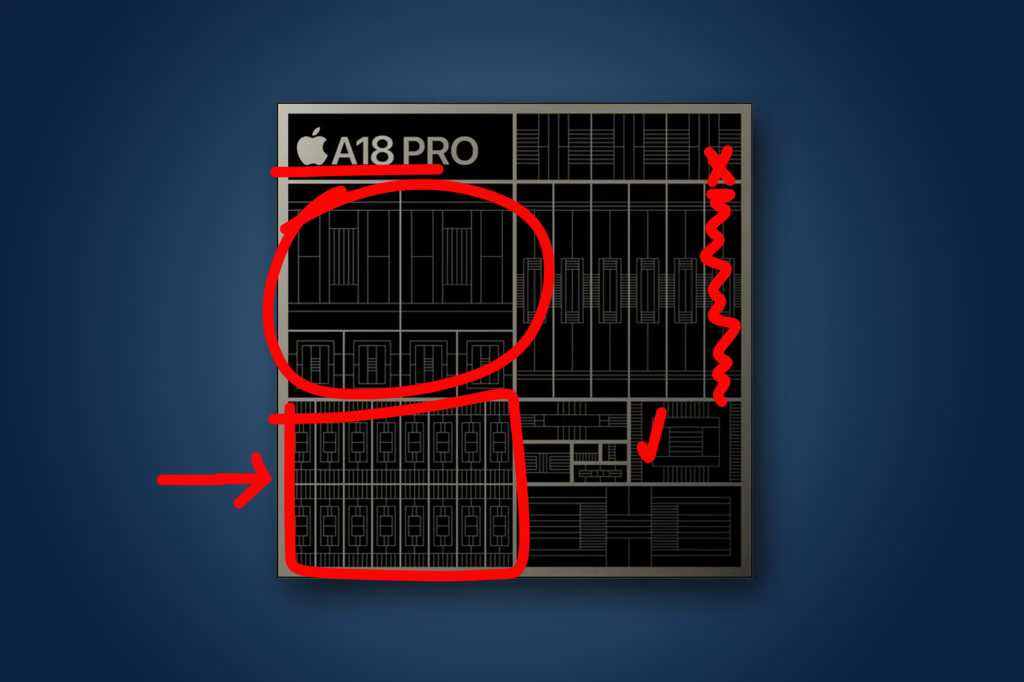
Your iPhone, iPad, or Mac most likely has a defective processor. But that’s how it’s supposed to be
What Is Apple Processor Binning
When a batch of chips is manufactured at a factory, not every unit turns out perfect. Some cores — the computational blocks inside a processor — may end up defective. Previously, such chips were simply discarded. Today, manufacturers disable the faulty core and sell the processor as a simpler model.
Binning is the process of dividing a batch into groups based on characteristics to use each group differently. The term came from agriculture: the best fruits went to the store shelves, less attractive ones — for processing, and the rest — for animal feed. In the semiconductor industry, the principle is the same: chips are sorted by quality and directed into different products.
It’s not just Apple doing this. Today Apple sells numerous products with binned chips and earns quite well from it. But Intel, AMD, and Nvidia have been doing the same for decades. The difference is that Apple designs both the chips and the devices, giving it more flexibility.
Which Apple Devices Have Cut-Down Processors
Here are specific examples that are relevant right now:
- iPhone 17e — uses an A19 chip with 4 cores in the graphics block instead of 5, as in the standard iPhone 17.
- iPhone Air — received the A19 Pro, but with 5 GPU cores instead of 6, as in the iPhone 17 Pro.
- Entry-level MacBook Air — M5 chip with 8 graphics cores instead of 10.
- MacBook Neo — runs on A18 Pro with 5 GPU cores instead of 6, as in the iPhone 16 Pro.
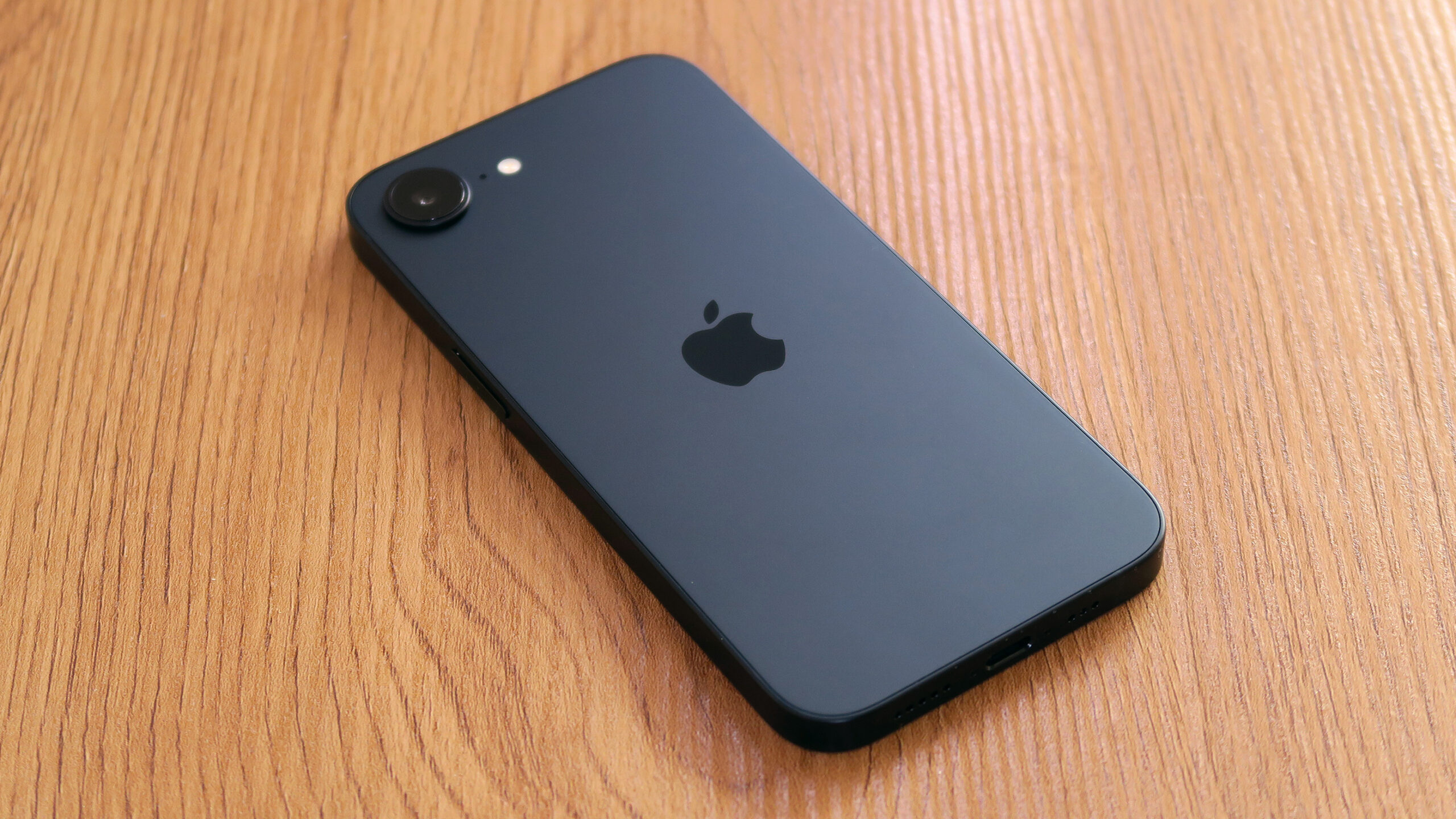
iPhone 17e is one of the most vivid examples of using such a chip
Binned chips allow Apple to improve production yield, reduce costs, and release more affordable devices without having to design an entirely new processor.
The MacBook Neo case is particularly illustrative. Instead of discarding A18 Pro chips with a faulty sixth GPU core, Apple used them in MacBook Neo — essentially getting these processors for free. That’s precisely why the laptop costs just $599 (approximately from 65,000 ₽ in Russia).
How Binning Affects iPhone, iPad, and Mac Performance
The performance reduction is proportional to the number of disabled cores. If a chip has 5 graphics cores and only 4 remain — that’s minus 20% of cores, and graphics benchmark results drop by roughly the same 20%.
Here’s what benchmarks show in practice:
- iPhone 17e delivers GPU results approximately 20% lower than iPhone 17 — precisely because it has 20% fewer graphics cores.
- iPhone Air, with 17% fewer GPU cores, trails iPhone 17 Pro by approximately 17% in graphics tests.
But in reality, things aren’t that straightforward. Almost no application depends solely on one component. A binned chip ends up in a device with different cooling, different memory speed, and different clock frequencies — so the difference in real-world use never comes down to just the number of cores.
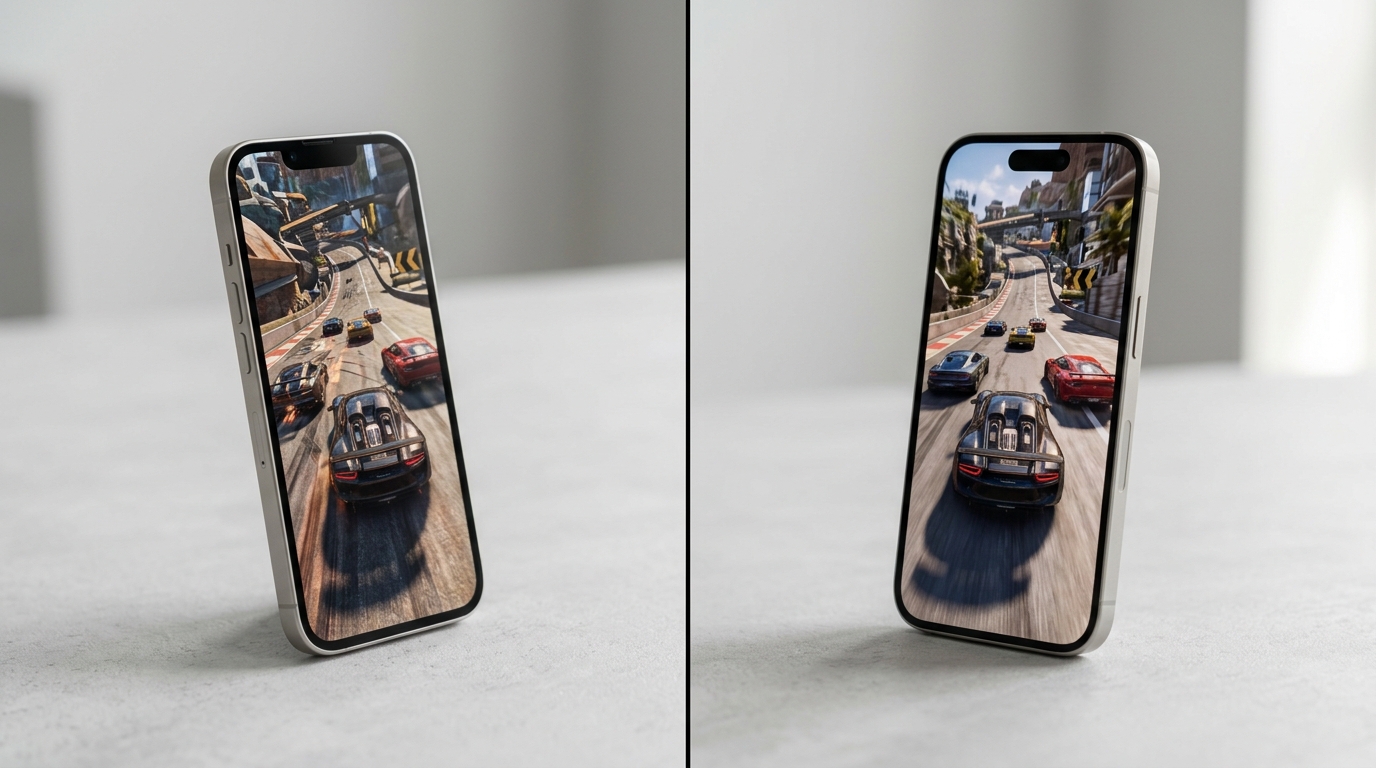
Comparison of graphics performance between iPhone 17e and iPhone 17
For CPU tasks — running apps, photos, AI features — there’s virtually no difference between a binned and a full chip. In Geekbench 6 tests, the iPhone 17e scores 3,607 points in single-core and 9,241 in multi-core — nearly identical to the iPhone 17’s results of 3,627 and 9,249.
Should You Worry About a Cut-Down Processor in iPhone and Mac
Most users are unlikely to notice a significant difference in graphics performance between iPhone 17e and iPhone 17. The loss of one graphics core is only noticeable in demanding 3D games and resource-intensive AR applications where maximum GPU power is needed.
Although the processor name in iPhone 17e and iPhone 17 is the same, the regular 17 is more powerful in terms of graphics
For everyday tasks — messengers, browser, photos, videos, Siri AI features and Apple Intelligence — a binned processor works exactly the same as a full one. The difference only shows up under peak loads, which most owners simply never reach.
Binned chips are processors that didn’t pass tests in minor aspects and received an incomplete set of cores. The A19 in iPhone 17 has 5 GPU cores, while the A19 in 17e has only 4, so graphics performance will be slightly lower. But for most people, this is unnoticeable.
Why Apple Puts Binned Chips in Its Devices
Apple is one of the few companies that designs its own chips and develops its own devices, giving it a huge advantage. The company can design a product in advance for a chip with a reduced number of cores — and make it part of the strategy rather than a forced compromise.
The scale of this strategy is clearly visible in the MacBook Neo example. According to journalist Tim Culpan, the laptop is selling so well that the supply of binned A18 Pro chips with 5-core GPUs will soon run out. Apple originally planned to produce about 5–6 million MacBook Neos before discontinuing production on this processor.
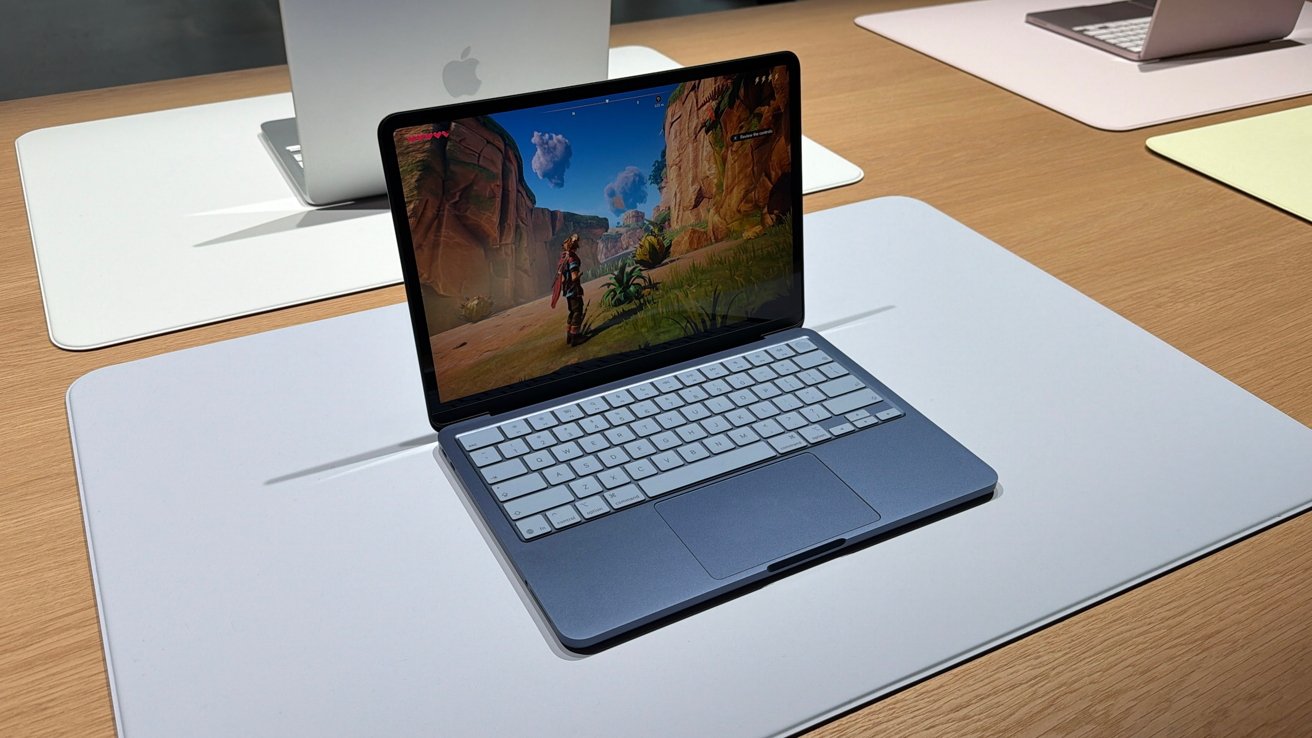
Leftover chips from iPhone 16 Pro were put into MacBook Neo and found a use
Two weeks after pre-orders began, Apple CEO Tim Cook stated that Mac had experienced its “best launch week” ever among new Mac users — and MacBook Neo played a key role in that.
Essentially, binning turns manufacturing waste into affordable products. Chips that would have previously ended up in the trash now power devices priced at $599.
How Binning Affects Choosing an iPhone, iPad, and Mac
Binning is not a reason to avoid a purchase. It’s a standard practice across the entire semiconductor industry, and Apple uses it wisely: you get a more affordable device, losing minimal performance in scenarios that are irrelevant for most users.