The most unexpected thing in the tech world right now isn’t another foldable smartphone without screen creases or a new electric car — it’s that Xiaomi has suddenly created its own neural network. The company known for affordable phones and smart scales has reached a new level. And this isn’t some decorative neural network made just for show — it’s a serious tool that in many ways outperforms Google and approaches the best models from OpenAI and Anthropic. I’ve dug into it and figured out how it works. Let’s break down exactly what Xiaomi has done, why they need it, and whether you should even care.

Now Xiaomi has a neural network too.
Xiaomi MiMo-V2 Neural Network. What It Is in Simple Terms
On March 18, 2026, Xiaomi officially introduced three AI models under the common name MiMo-V2. The main one, MiMo-V2-Pro, is positioned as the company’s flagship neural network. Put simply, it’s something like ChatGPT or Claude, but from Xiaomi. You can ask it questions, request it to write text, help with code, analyze a document, and so on.
But there’s an important nuance. Xiaomi focuses not on regular chatbot conversation, but on so-called “agentic” tasks. This is when a neural network doesn’t just answer a question but independently plans a chain of actions and executes them. For example, it can search for information on its own, work with files and tools, without bugging you every five seconds for clarification. It sounds ambitious, but in practice, implementing such scenarios is still gaining momentum across the entire industry. Still, the direction is right.
What Is Hunter Alpha and When Did Xiaomi Release Its Neural Network
A week before the official announcement, an anonymous model under the codename Hunter Alpha appeared on the OpenRouter platform, where developers can test various neural networks through a single interface. Nobody knew who created it. Many were convinced it was a new development from DeepSeek, which had previously made waves in the market. Hunter Alpha quickly climbed to the top of the rankings by usage count and processed over a trillion queries in a week.
Then Xiaomi revealed its hand. The MiMo team, led by Luo Fuli, a former researcher from DeepSeek, confirmed that Hunter Alpha was an early test version of MiMo-V2-Pro. Essentially, the company conducted a “blind test” of its neural network on real users to get honest feedback without brand associations.
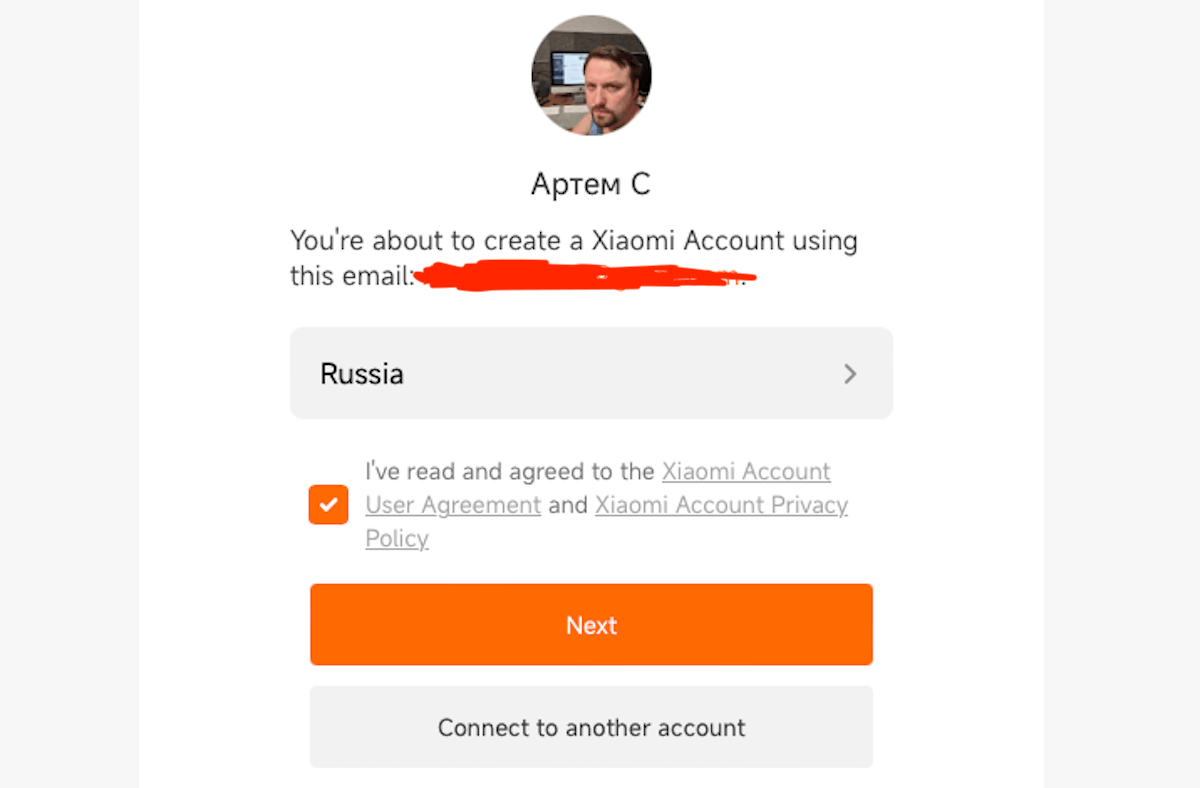
You can use Xiaomi’s neural network from Russia.
What Can Xiaomi’s Neural Network Do and How Does It Differ from ChatGPT
If we cut through the technical jargon, the main difference between MiMo-V2-Pro and typical chatbots is that it’s designed for complex multi-step tasks. A regular chatbot works on the “ask a question — get an answer” principle. MiMo-V2-Pro is conceived as the brain for entire workflows, where you need to plan a sequence of actions, call the right tools, and get the job done with minimal human intervention.
In terms of technical specifications, the model looks impressive. The total number of parameters exceeds a trillion, but the trick is that only a twentieth of them are active simultaneously, with the rest activated as needed. This architecture allows the model to be powerful without being slow. The context window — the amount of information the model can hold “in its head” at once — translates to roughly 3-4 full-length novels simultaneously.
On the global Artificial Analysis Intelligence Index ranking, the model took eighth place worldwide and second among Chinese neural networks, and it just launched. In coding skills, it surpasses Claude Sonnet 4.6 from Anthropic, and in “agentic” tasks, it approaches Claude Opus 4.6, one of the most advanced models available today. And it costs significantly less — the price is roughly five times lower than Western competitors of a similar level, and there’s a free trial period.
But I wouldn’t rush to celebrate. A significant portion of tests were conducted on benchmarks related to Xiaomi’s own ecosystem. Independent verification beyond Artificial Analysis is still limited. So we’ll see the real picture when the model has stood the test of time and thousands of independent users.
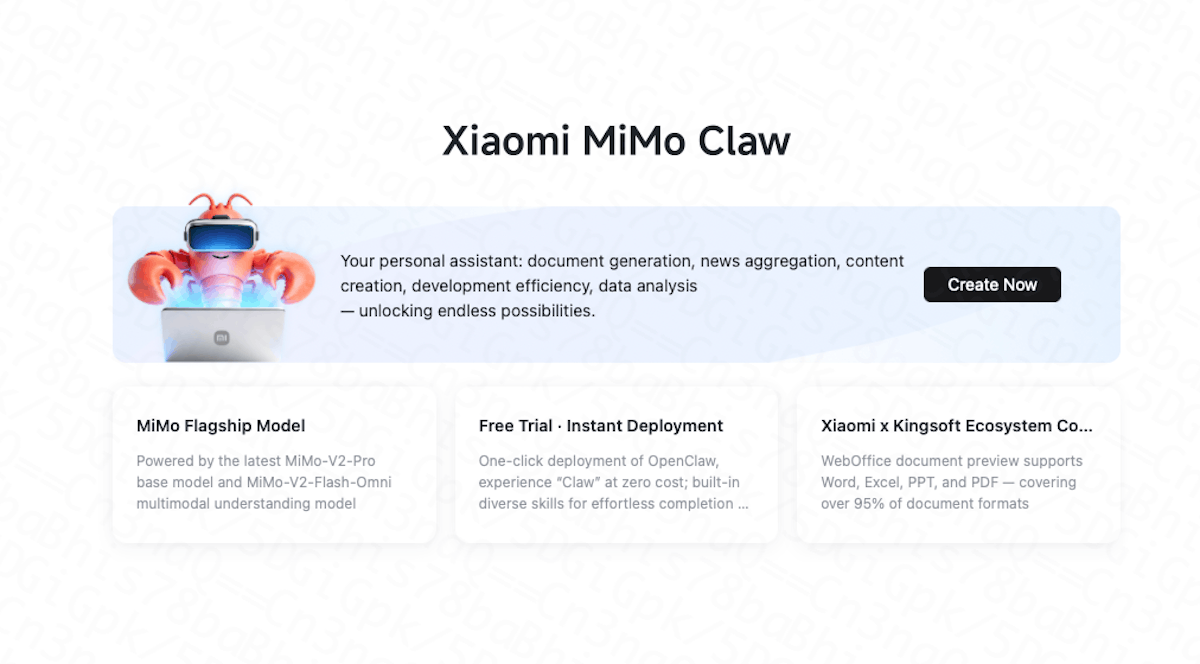
The MiMo-V2 interface doesn’t differ much from the rest.
Neural Network for Voice and Video
Besides the flagship Pro model, Xiaomi introduced two more. MiMo-V2-Omni works with multiple types of information simultaneously: text, images, video, and audio. This is what’s called a multimodal model. In practice, this means you can feed it a video and ask it to describe what’s happening, or give it an audio recording and get a content analysis. According to Xiaomi, the model can process continuous audio recordings longer than 10 hours in a single pass.
MiMo-V2-TTS handles speech synthesis. It’s a model that converts text into lifelike human speech. Not the usual monotone voiceover, but with emotions, intonations, and even the ability to sing.
Can You Try Xiaomi’s MiMo Neural Network in Russia
Here’s the most interesting part. Some MiMo-V2 integrations in apps like Xiaomi Browser and Kingsoft Office only work in China. But the models themselves are available through the MiMo Studio web interface and via API at platform.xiaomimimo.com — and they work worldwide. Developers get a free week of access through several partner platforms.
In practice, if you need a chatbot for everyday tasks in Russian, I wouldn’t rush to replace your usual ChatGPT or Claude just yet. MiMo-V2-Pro is tailored for working with code and agentic scenarios, and Russian language support at the everyday conversation level still raises questions. But if you’re a developer or simply enjoy trying everything new, it’s definitely worth a look.

Due to high load at launch, you might have to wait before you can start using it.
Why Xiaomi Needs Its Own Neural Network and What It Means for the Market
Looking at the bigger picture, Xiaomi is doing the same thing Google, Apple, Samsung, and other major companies have already done: building its own artificial intelligence ecosystem. The company no longer treats AI as a side project but is building serious model infrastructure. First came smartphones, then electric cars, now neural networks. The logic is clear: the more proprietary technology inside, the less dependence on others.
For the average user, this means the following. In the coming years, AI features in Xiaomi smartphones and devices will run on the company’s own brains. Theoretically, this could make them faster, cheaper, and better integrated into the ecosystem. But theory and practice, as you know, don’t always align.
Is It Worth Following Xiaomi’s MiMo-V2 Neural Network
Honestly, my impression is mixed. On one hand, the results are truly impressive. In a short time, Xiaomi went from the small MiMo-7B model to a trillion-parameter giant that isn’t shy about competing with the best in the world. Launching through an anonymous model showed that the product can attract attention without relying on a brand. And prices that are several times lower than Western counterparts make the model attractive to developers.
On the other hand, it’s too early to draw far-reaching conclusions. There aren’t many independent tests, Russian-language user scenarios are virtually nonexistent, and the agentic capabilities that are the main bet are at an early stage of development for all companies without exception. If you’re a tech enthusiast or developer, trying MiMo-V2-Pro is definitely worthwhile — especially since access is currently free. But if you’re simply looking for a convenient everyday AI assistant, there’s no rush yet. However, it’s definitely worth remembering the name MiMo. Xiaomi has enough resources and stubbornness to see things through.