Wildberries & Russ (RWB) has completed a deal to acquire three transportation services at once: Citymobil, Taxovichkof, and Gruzovichkof. All three assets previously belonged to the People&People group. The deal amount has not been disclosed, but experts estimate it in the range of 3 to 8 billion rubles. This isn’t just a brand acquisition — the marketplace is seriously preparing to enter the passenger and freight transportation market in Russia. Add to this the affordable Fasten taxi from Yandex, and it seems like soon we’ll be able to get around the city for reasonable prices.

Wildberries is preparing its own taxi service. Can it compete with Yandex? Image: moskvichmag.ru
What Wildberries Acquired: Citymobil, Taxovichkof, and Gruzovichkof
The merged company Wildberries & Russ (RWB) has completed the acquisition of three transportation assets from the People&People group: taxi aggregators Citymobil and Taxovichkof, as well as the freight service Gruzovichkof. Financial terms have not been disclosed. However, according to expert estimates, the market value of the acquired services is in the range of 3 to 8 billion ₽.
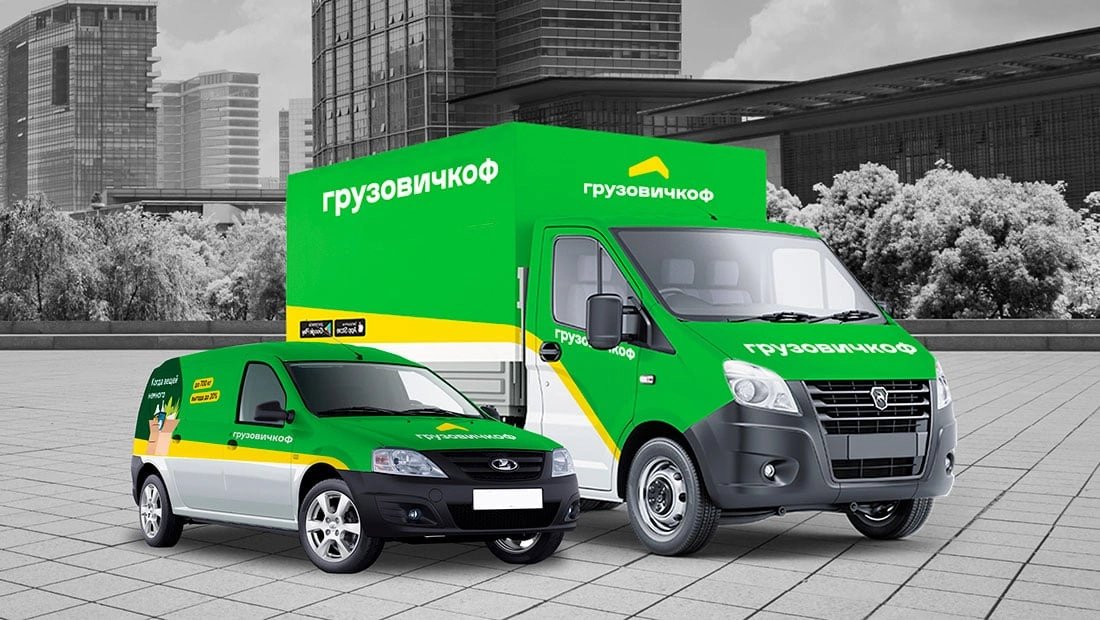
Yes, WB even acquired these guys. Image: peopleandpeople.io
The company explained that the deal is a key element of its strategy to scale its own transportation services and optimize the freight system. Representatives of the buyer emphasized their intention to accelerate product delivery in a hundred cities across Russia, including regions of Siberia and the Far East.
Previously, the assets were controlled by the investment structure People & People. According to the company’s owner Igor Rudziy, the deal includes a certain period during which the seller will not be able to invest in the transportation industry. In other words, People&People is completely exiting the transportation market.
What Happened to Citymobil Before the Sale
Citymobil is perhaps one of the most dramatic examples in the Russian market. Originally, it was an online taxi ordering service, delivery, and freight transportation. After 2019, the service belonged to a joint venture of Sber and VK. But at the end of 2021, VK’s structure changed shareholders, the partnership fell apart, and Citymobil found itself unwanted — ultimately being sold to the owner of Gruzovichkof.

Citymobil now also belongs to Wildberries. Image: the-geek.ru
By the time of the new deal, the market situation looked bleak: Citymobil controlled about 1% of orders in Moscow — compared to 20% during its peak. Citymobil’s revenue for last year was 416 million ₽, while Gruzovichkof’s turnover grew to 936 million ₽.
Taxovichkof and Gruzovichkof under People&People’s management developed slowly — without a strategic investor, growth prospects were dim. Essentially, for all three services, this acquisition is a chance at a second life.
Why Wildberries Is Launching Its Own Taxi in Russia
The purchase of Citymobil is not a spontaneous move. Wildberries has been consistently preparing to enter the transportation market for over a year. In the summer of 2025, RWB launched WB Taxi in Belarus and Uzbekistan, hiring Anatoly Smorgonsky — former head of Gett and Bibi’s Russian offices — to develop the division.
In March 2026, the company filed an application to register the WB Taxi trademark — this is confirmed by patent office data, indicating the seriousness of their intentions. Back in December 2025, it became known that Wildberries planned to launch a taxi service in 2026, and the company had already completed development of a dedicated app.
RWB is acquiring a ready-made technology platform, driver network, and licensing base. Market analysts view the purchase not as a direct challenge to Yandex, but as an infrastructure foothold for a rapid launch of WB Taxi in Russia without starting from scratch. This is sound logic: building a taxi aggregator from the ground up is significantly more difficult and expensive than acquiring an operating platform with licenses.
How the Taxi Acquisition Will Affect Wildberries Product Delivery
Beyond passenger transportation, the acquisition has another obvious dimension — the marketplace’s own logistics. The company explained that the deal is a key element of its strategy to scale transportation services and optimize the freight system.
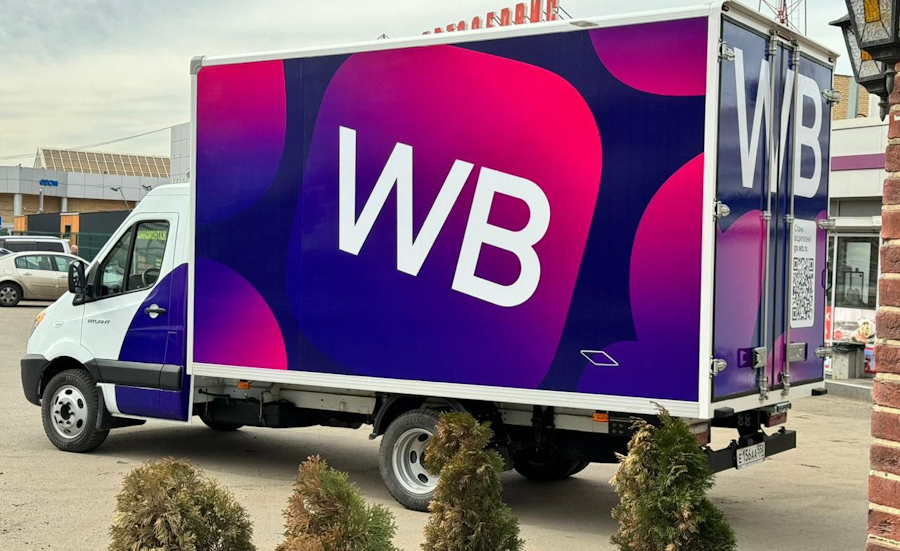
Product delivery on WB may become faster. Image: profashion.ru
Experts emphasize that the main value lies in the software and IT platforms, which will allow the marketplace to more effectively manage “last mile” logistics — the final stage of delivering a product to the buyer or pickup point. Integration of transportation capacity into the marketplace ecosystem, according to experts, will create synergy through high utilization of carriers with platform orders.
Simply put: taxi drivers during low-demand hours for passenger orders can fulfill Wildberries product deliveries, while Gruzovichkof trucks can transport large items from the marketplace. For Wildberries buyers, this could potentially mean faster delivery, especially in regions where the marketplace isn’t yet as strong.
Can Wildberries Taxi Compete with Yandex Taxi?
The main question is whether WB Taxi can have any impact on a market dominated by Yandex. The numbers are impressive: Yandex’s share among taxi aggregators in the Moscow market has exceeded 96%. In 2020, the service held just over 70% of the market, but since then all major competitors have left for various reasons.

Yandex isn’t standing still either and launched an affordable taxi last month. Image: newsko.ru
At the same time, Yandex isn’t standing still. In March 2026, the company launched the new Fasten taxi service, which already operates in more than 300 cities across Russia and targets a younger audience. Fasten’s base rates are 10% lower than in the main Yandex Taxi app. However, Fasten is essentially just a rebranding: the company still belongs to Yandex, so no real competition has been added to the market.
Experts note that the assets were not being developed and needed a strong partner, but competing with Yandex in the transportation market won’t be easy. Wildberries, however, has an ace that previous competitors lacked: tens of millions of loyal marketplace users. If the company manages to integrate taxi hailing into the Wildberries app and tie payments to loyalty points, the service will have an audience that doesn’t need to be attracted from scratch.
Wildberries Taxi in Belarus and Uzbekistan: What Is Known
Before entering the Russian market, Wildberries tested the format in neighboring countries. In early July 2025, Wildberries launched beta testing of the WB Taxi service in Minsk. The company stated that the goals of the launch were to test the new service among potential users and verify its functionality. In November 2025, the service launched in