
Your cat is screaming for no reason? There are 10 signals you shouldn’t ignore. Image source: fom.de
Just recently she was quietly napping on the windowsill, and now she’s suddenly “talking” day and night. Loud meowing, especially in an older cat, is not a whim but a signal. Sometimes harmless, sometimes alarming. Veterinarians emphasize: after 11–12 years, behavior can change due to age and illness. Let’s explore the reasons.
Main Reasons for Loud Meowing in Cats: How to Tell Age-Related Changes from Illness
It’s important to understand: a cat rarely “screams for no reason.” With age, metabolism changes, chronic diseases accumulate, hearing and vision decline, and brain function deteriorates. All of this affects behavior.
If meowing has become louder, more frequent, or appeared suddenly, pay attention to accompanying symptoms — weight loss, unsteadiness, refusal to eat, disorientation. These are what help distinguish normal age-related talkativeness from a problem that requires treatment.
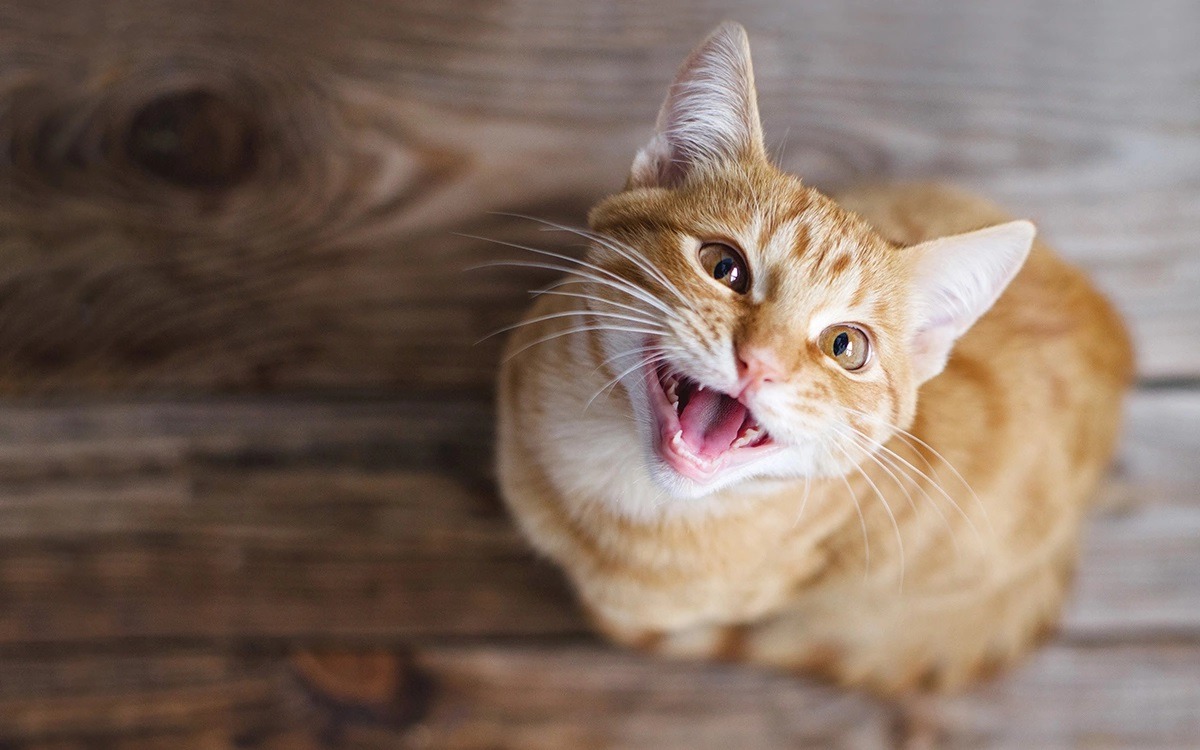
Some cats meow more than others, but if your cat has started meowing unusually often, it could be a sign of health problems. Image source: rbc.ru
Feline Dementia: Age-Related Cognitive Dysfunction
Signs: disorientation, nighttime screaming, anxiety, forgetfulness. After 15 years, symptoms are present in ~50% of cats.
What to do: veterinary examination, antioxidants (including vitamin E), predictable routine, pheromone diffusers, quiet radio at night.
Hearing and Vision Loss: How It Affects Meowing Volume
Signs: doesn’t respond to their name, gets confused in spaces, becomes louder than usual.
What to do: diagnostics; night lights, unchanged furniture arrangement, a warm bed.
Hypertension in Cats: How High Blood Pressure Affects Vocalization
Signs: sudden vision loss, unsteadiness, seizures, sharp behavioral changes. More common at ages 13–15.
What to do: blood pressure measurement; medications reduce the risk of kidney, heart, and brain damage.
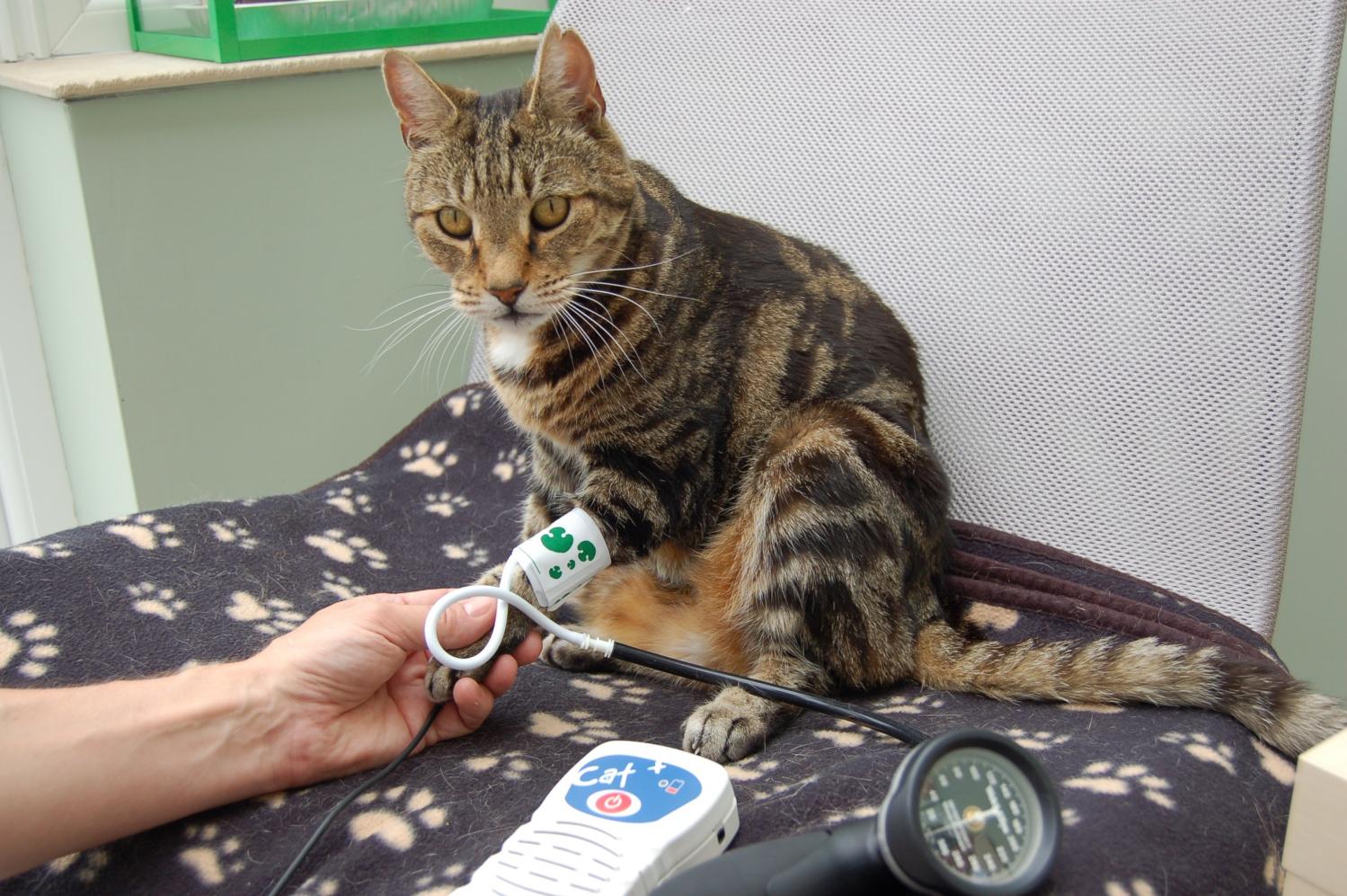
Not all owners know this, but cats also need their blood pressure measured. There is a pet tonometer that is placed on the paw or the base of the tail. Image source: phys.org
Hyperthyroidism — Thyroid Disease: How Hormonal Imbalance Changes a Cat’s Behavior
Signs: weight loss despite good appetite, restlessness, vomiting, diarrhea, “talkativeness.” Found in >10% of cats over 10 years old.
What to do: medication, diet, sometimes surgery or radioactive iodine.
Arthritis and Joint Pain: When Meowing Is Linked to Discomfort
Signs: won’t jump on furniture, avoids litter boxes with high sides, groans when moving. After age 10 — up to 80% of cases.
What to do: pain relief as prescribed by a vet, ramps, a low litter box, warm spots.
Nervous System or Brain Diseases in Cats: Peritonitis, Toxoplasmosis, and Tumors
Signs: unequal pupils, seizures, loss of coordination, sudden behavioral shifts.
What to do: urgent diagnostics; treatment is medical or surgical.
Lack of Attention: Behavioral Reasons for Frequent Meowing
Signs: meows when you leave or are busy.
What to do: respond in a calm voice; short sessions of play and tactile contact (by the way, you need to get them used to cuddling from an early age).
Stress in Cats: How Changes Increase Vocalization
Signs: increased vocalization after moving, the arrival of a baby, or a new pet.
What to do: restore routine, provide hiding spots, pheromones, a separate resource corner.
Dental Problems: Pain That Can Make a Cat Scream
Signs: drooling, bad breath, refusal to eat, pawing at the face. 50–90% of cats over 4 years old have dental diseases.
What to do: examination, oral cavity cleaning, pain relief.
Talkative Breeds: When Loud Meowing Is Normal
Breeds: Siamese, Bengal, and Bobtail cats can communicate with their owners all day long.
What to do: if this has always been the norm — adapt; if there are sudden changes — see a vet.
When Should You Sound the Alarm?
On average, senior age begins at 11 years, and old age at 15. And that’s precisely when problems most often appear, although no one is immune from them earlier. If meowing appeared suddenly, intensified at night, and is accompanied by weight loss, unsteadiness, or changes in pupil size — don’t delay a visit to the vet.
A voice is a cat’s way of saying that something is wrong or that she’s lonely. By finding the cause, you can almost always reduce the noise — and improve her quality of life.