
The appendix: a relic of the past and a useless organ, or do we actually need it? Image source: ausmed.com.au
Many of us have heard that the appendix is a useless organ inherited from distant ancestors. It is removed at the slightest suspicion of inflammation. And its functions are still barely mentioned in school textbooks. But modern research has shown that the appendix performs several important functions in the body: from protecting gut bacteria to supporting immunity. It’s time to understand why we need the appendix and what role it plays.
What Is the Appendix and Why Do Humans Need It
The appendix is a worm-shaped extension attached to the large intestine. For a long time, it was considered a vestigial organ, meaning one that had lost its original purpose during the course of evolution.
Charles Darwin himself, in his books On the Origin of Species and The Descent of Man, referenced such vestigial human organs: in his view, they were once critically important for survival but gradually lost their function over time.
This idea was supported by many biologists. In herbivorous vertebrates, the appendix is significantly larger — it helped digest tough plant food, such as tree bark. Similarly, our distant ancestors, who ate primarily plants, likely used the appendix for digestion.
But as the human diet became more diverse and easier to digest, the appendix seemingly lost its role. Scientists even believed that it would eventually disappear from the human body altogether.
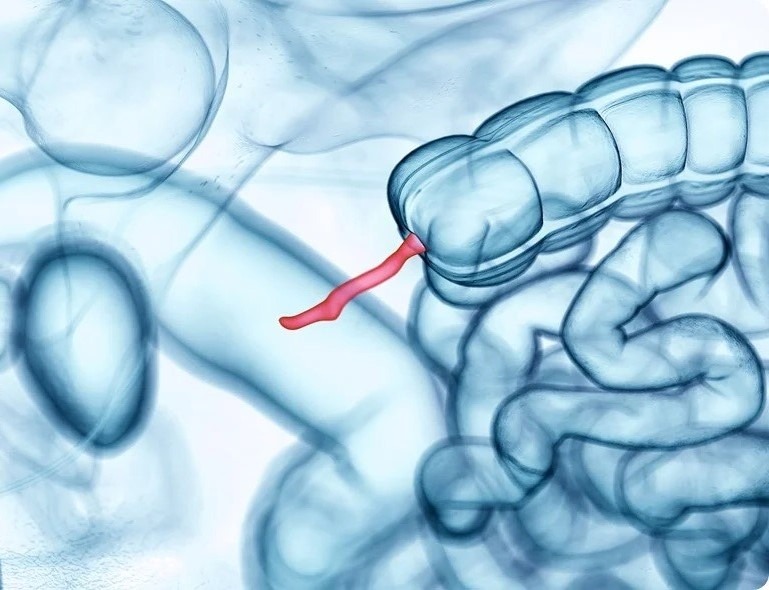
The appendix resembles a small dead-end pocket. But it is precisely in this “dead end” that an entire colony of beneficial bacteria hides. Image source: news-medical.net
However, it’s not that simple. It turns out the appendix has been preserved in evolution for no less than 80 million years and has appeared independently in a wide variety of species — from primates and rodents to marsupials. For a “useless” organ, that’s too long and successful a history.
What Function Does the Appendix Perform in the Body
Research in recent years has shown that the appendix contains lymphoid cells — immune cells that help the body fight infections. This immediately reveals its role in protecting the body.
The fact is that the appendix participates in the mucosal immune system of mammals. It is associated with the production of T-lymphocytes and immune responses involving B-lymphocytes. Simply put, this small extension helps form an early line of defense that prevents the development of serious infections.
Macrophages, natural killer cells, and antimicrobial peptides have also been found in the appendix. So much for a “useless vestige.”
Moreover, the appendix can “train” the immune system to distinguish beneficial bacteria from harmful ones. This is important: without such training, the body risks attacking its own microflora, which can lead to inflammatory bowel diseases.
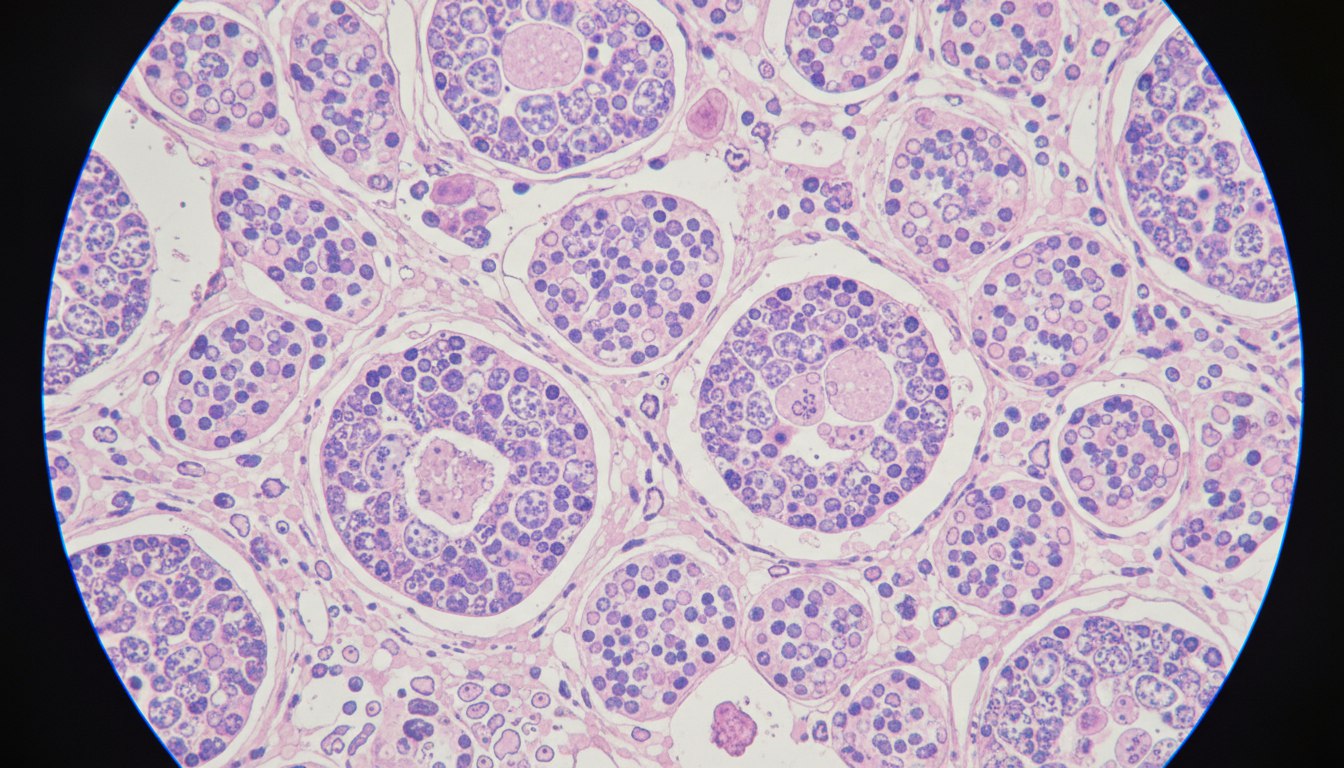
Inside the appendix is a true outpost of immunity: B-cells, T-cells, and an entire army of defenders work here.
Does the Appendix Store Beneficial Bacteria and Why Does the Gut Need It
Perhaps the most unexpected discovery was made by immunologists at Duke University. According to their theory, the appendix produces and stores beneficial microbes for the human gut. The results of the study were published in the Journal of Theoretical Biology.
Our digestive system is literally teeming with bacteria, and this is no cause for alarm — on the contrary, they help digest food. But there’s a catch: during severe illnesses like dysentery or cholera, these beneficial microbes are flushed out of the body. Digestion takes a hit.
And this is where the appendix comes into play: it releases its reserve of “good” bacteria and essentially reboots the digestive system.
As Dr. Bill Parker, one of the study’s authors, explained, the appendix is located in the lower part of the large intestine, through which both food and microbes pass. This is an ideal position for an organ associated with microflora.
Inside the appendix, scientists discovered a biofilm — a thin layer of microbes, mucus, and immune system molecules. The concentration of this biofilm is highest in the appendix and decreases with distance from it.
It turns out that the appendix works like a safe for bacteria: even when disease “cleans out” the entire intestine, a backup copy remains safe and sound.
For comparison: according to some data, people without an appendix are four times more likely to suffer from recurrent infections caused by the bacterium Clostridium difficile — and this is precisely a condition associated with a deficiency of normal intestinal flora.
Can You Live Without an Appendix and How Dangerous Is Appendicitis
Despite all its useful functions, the appendix can also cause harm. The most common diseases associated with it are appendicitis and carcinoid tumors (quite rare tumors).
Scientists emphasize: although the appendix performs important functions, it must be removed when inflamed. Untreated appendicitis or appendix cancer can be life-threatening.
At the same time, removing an inflamed appendix does not lead to noticeable negative health consequences — especially under conditions of modern medicine and hygiene.
In fact, the absence of obvious consequences after appendix removal is easily explained: in developed countries with good sanitation, we rarely face epidemics that completely “reset” the intestinal microflora, unlike developing countries where diarrheal diseases remain a serious problem.
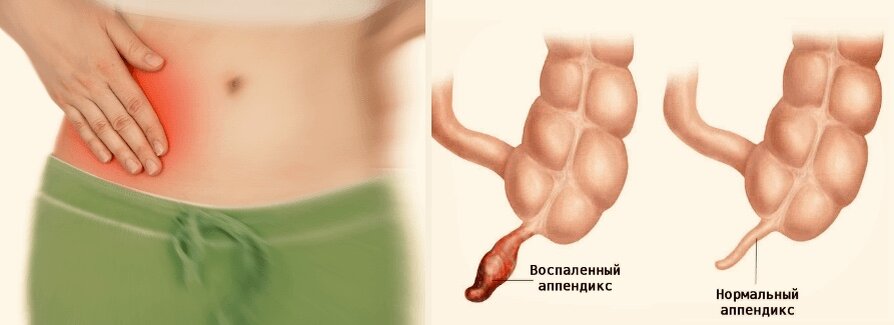
Pain in the lower right abdomen is a classic symptom of appendicitis. Image source: medicabil.com
Appendicitis most commonly affects people between the ages of 10 and 30 and occurs when the lumen of the appendix becomes blocked, leading to infection and inflammation.