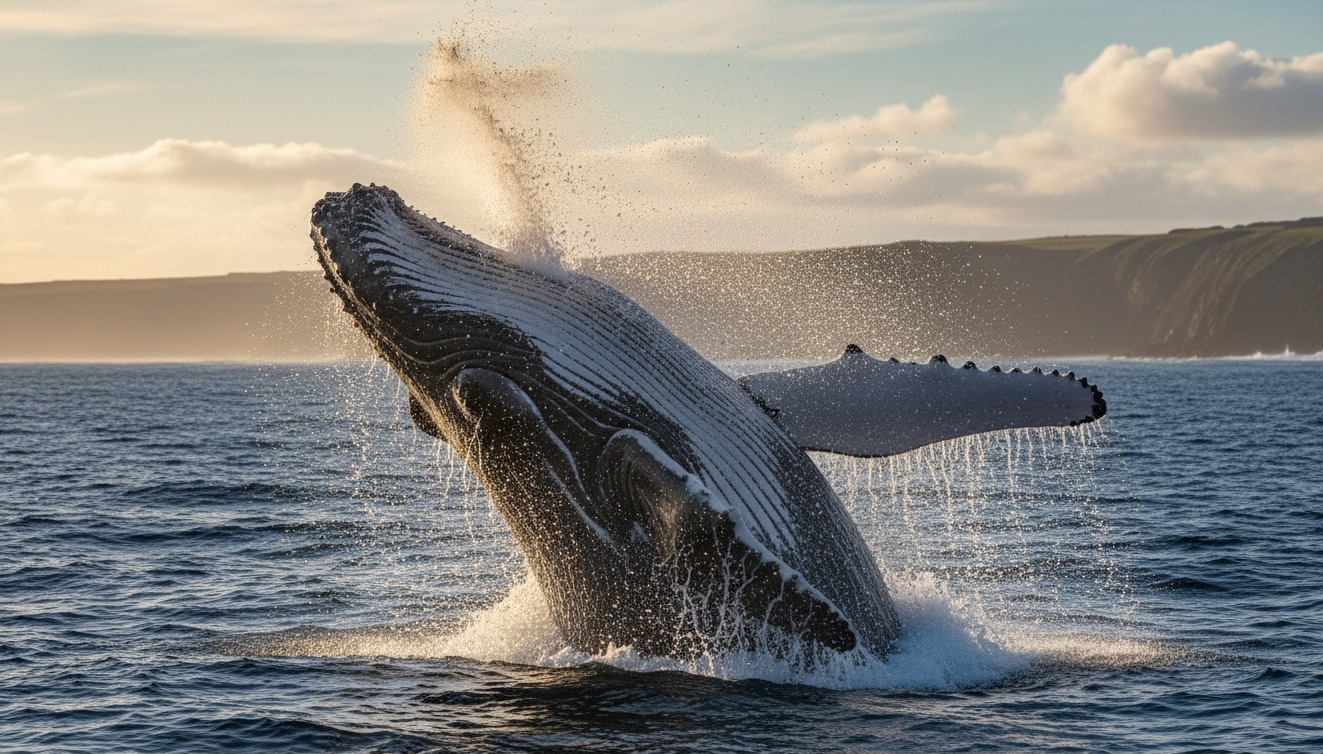
The humpback whale relies on super-powerful kidneys. Measuring the salinity of its urine is quite a quest for scientists
Marine mammals are surrounded by water — vast and salty. Humans can’t drink it because the salt draws more moisture out of the body than it provides. Living in such water might sound like a death sentence, but for whales and dolphins, drinking salt water is perfectly normal. Life in the ocean for mammals is physiologically similar to surviving in a desert, and to avoid dying of dehydration, they’ve had to develop an entire arsenal of clever adaptations.
Why Salt Water Doesn’t Quench Thirst
You’d think that if you live in water, thirst shouldn’t be an issue. But physics has other plans. About 97% of all water on Earth is salty, and the salt concentration in it is significantly higher than in mammalian body fluids.
Our body fluids contain salt, but much less than seawater. Because of this difference, osmosis kicks in: seawater literally pulls fluid out of the body, — explains Martin Grosell, an aquatic organism researcher at the University of Miami.
Simply put, the more salt water you drink, the thirstier you’ll feel. For humans, this is a death sentence. But over millions of years of evolution, marine mammals have found ways to get around this trap — and not just one way, but several.
How Jellyfish and Mollusks Live in Salt Water
To understand the uniqueness of marine mammals, it’s worth first looking at their neighbors — invertebrates. Starfish, jellyfish, lobsters, and mollusks don’t regulate salt levels inside their bodies. Their internal environment simply matches the surrounding water. This strategy is called osmoconformity, and it works perfectly: if salinity inside and outside is the same, water doesn’t go anywhere.
But for vertebrates, things are more complicated. Fish, marine reptiles, birds, and mammals maintain their own salt balance, which differs from the ocean’s. This means that every gulp of seawater brings excess salt that needs to be eliminated.
The main problem for animals drinking seawater is the salt that comes with it. If they can’t get rid of it, then the water they drank provides no benefit, — says Grosell.
Fish solve this problem elegantly: water is absorbed in the intestine, and salt is expelled through special cells in the gills right back into the sea. But mammals don’t have gills, and that’s where things get really interesting.
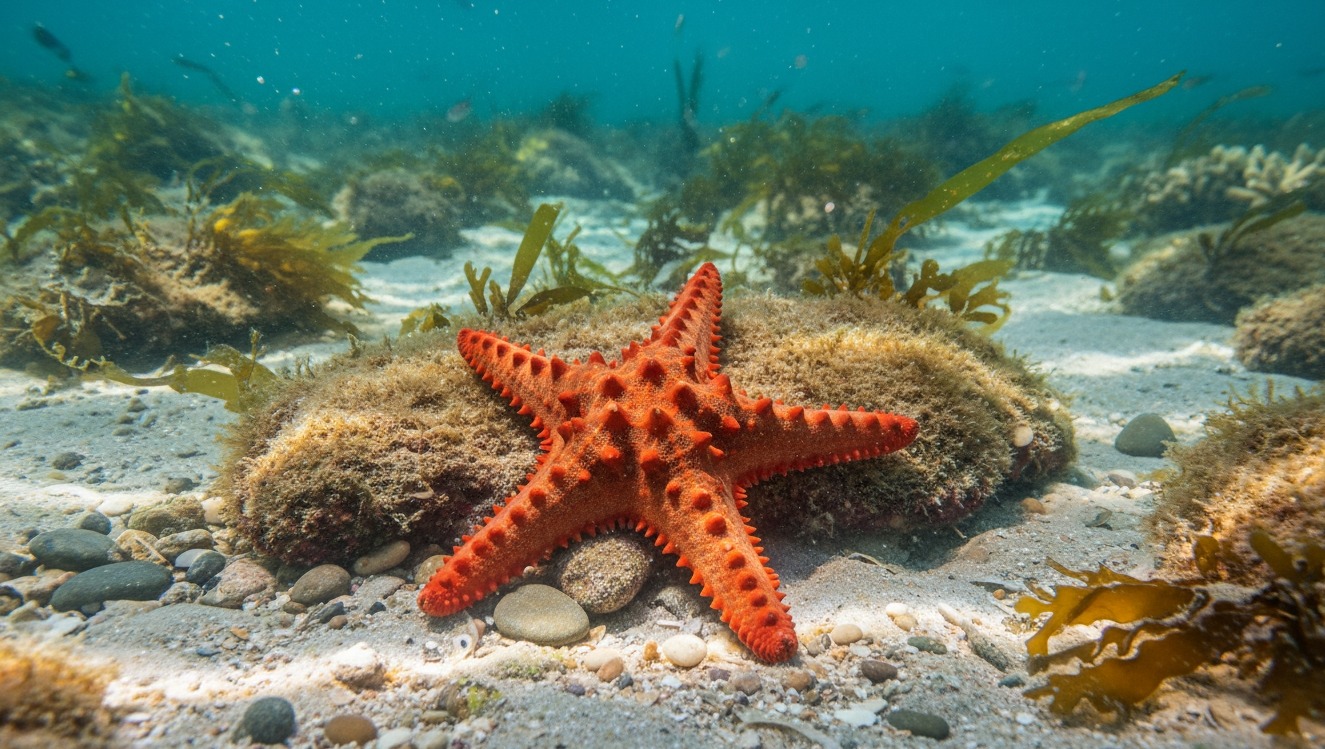
Starfish are lucky: they simply “adjust” to the water’s salinity and don’t think about thirst at all
How Whales and Dolphins Remove Salt
Mammals, unlike fish, filter salt through their kidneys. And the kidneys of marine inhabitants are engineering masterpieces. They can produce urine with a very high salt concentration. In other words, humpback whales and dolphins urinate very salty urine, expelling significantly more salt from their bodies than they take in.
But that’s not all. Some marine mammals, such as porpoises, have been found to possess completely different kidneys. These organs are divided into hundreds of tiny filtering units, allowing them to remove enormous amounts of salt with maximum efficiency.
Interestingly, birds and reptiles took a different path. Seabirds have glands located above their eyes that secrete highly salty fluid, and the size of these glands can change depending on the season. Sea turtles have similar glands behind their eyes, which makes it look like turtles are crying when they come ashore. And marine iguanas actually “sneeze” salt through nasal glands.
Which Animals Almost Never Drink Water
Removing salt through the kidneys is an energy-intensive process. That’s why most marine mammals try to avoid drinking salt water unless absolutely necessary. Instead, they get moisture from their food.
If they can get water by other means, they prefer exactly that.
Almost all marine mammals are predators: orcas, whales, dolphins, walruses, sea otters. Even baleen whales feed on krill — tiny animals. By eating fish and other marine creatures, they consume organisms with the same water content as their own bodies. And this, it turns out, is an excellent hydration strategy.
A study from the 1970s showed that elephant seal pups can remain healthy without taking a single sip of fresh water, getting all the moisture they need exclusively from fish. Moreover, thanks to a unique combination of behavioral and physiological water-saving mechanisms, they can fast on land for up to three months without a single drink.
Thus, the secret of marine mammal hydration is not one trick but a triple strategy: eat water-rich food, find fresh water when possible, and expel excess salt through incredibly powerful kidneys. This proven method has been working for millions of years. But humans lack such adaptations, so next time you head to the beach, don’t forget to bring a bottle of water.