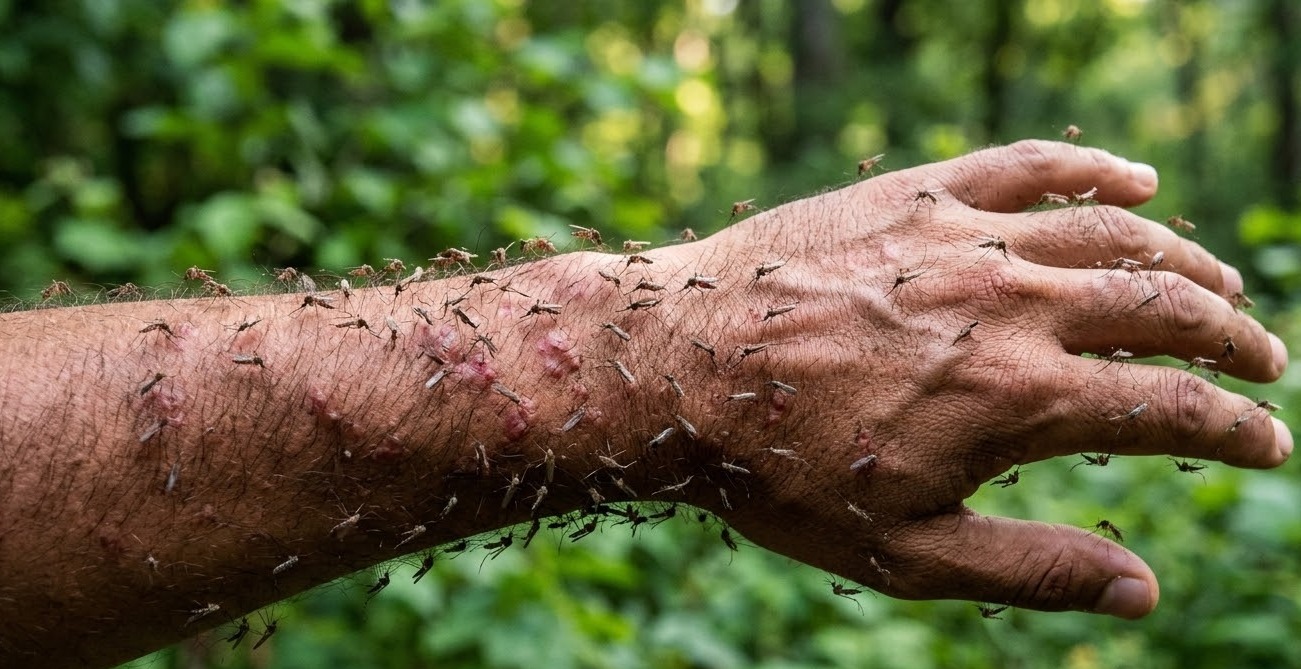
Mosquito evenings at the dacha — a classic of Russian summer. This year they may start earlier than usual
Every spring we habitually swat away the first mosquitoes, but this year things could be even worse. Entomologists are sounding the alarm: the abnormally snowy and cold winter of 2025–2026 created ideal conditions for insect survival at all stages of development — from eggs and larvae to adult specimens. When the snow begins to melt, the number of bloodsuckers could increase several times compared to normal seasons.
How Mosquitoes Survive Winter
It would seem that a harsh winter should destroy insects. But in reality, everything works exactly the opposite way. The fact is that a thick snow cover acts as a kind of blanket: the soil under snowdrifts freezes much more slowly, and all organisms wintering in the upper layers of the ground feel quite comfortable.
This is confirmed by Anton Goncharov, a senior researcher at the Severtsov Institute of Ecology and Evolution. According to him, each centimeter of snowdrift softens soil freezing by approximately one degree. Simply put, with a snow cover height of half a meter, the ground temperature can differ from the surface by tens of degrees. Under such a “down blanket,” insects don’t just survive — they continue to find food and even hunt each other.
But there’s a nuance: snowdrifts themselves only affect mosquitoes indirectly. What’s far more important is what happens after the snow completely melts. If spring turns out to be warm, without return frosts (and the spring forecast is very good), mosquitoes will complete the full development cycle from egg to adult in just a couple of weeks. For comparison, this process usually takes from 15 to 60 days depending on conditions.
Under a half-meter layer of snow, the ground temperature can be tens of degrees higher than on the surface. A real resort for those who know how to wait.
Why There Will Be Many Mosquitoes in Spring
The main problem isn’t winter itself, but what comes after it. When record snowdrifts begin to melt, an enormous number of puddles, ditches, and temporary bodies of water will form. And this is the ideal environment for bloodsucker reproduction. A female mosquito can lay up to 150 eggs at a time, and any small puddle, pit, or even a forgotten bucket of water in the yard will do.
It turns out that mosquitoes spend most of their life cycle in water, and only at the adult stage do they begin to fly. That is, essentially, mosquitoes are more aquatic than airborne. And the more small bodies of water form in spring, the more “maternity wards” the bloodsuckers will get.
Ecologists emphasize: if the melting is rapid and sudden, and then warmth immediately sets in, all the larvae could hatch almost simultaneously. This will be that very "avalanche-like invasion" that specialists are warning about. However, if spring turns out to be gradual, and puddles in forests dry up before mosquitoes complete their development, the scale of the disaster will be much more modest.
When Ticks Appear in Spring
Mosquitoes aren’t the only threat. In addition to bloodsuckers, Russians should prepare for early tick activity. The mechanism is the same: the thick snow cover protected the arachnid offspring from freezing, and in spring they will come out to hunt earlier than usual.
According to Anton Goncharov, if it weren’t for the severe frosts, this season would have been absolutely ideal for ticks. The cold somewhat undermined their population, but it’s still worth being especially careful in natural areas during spring and summer. Russia is home to more than 100 species of bloodsucking mosquitoes, and they are joined by dozens of tick species that carry encephalitis, borreliosis, and other dangerous diseases.
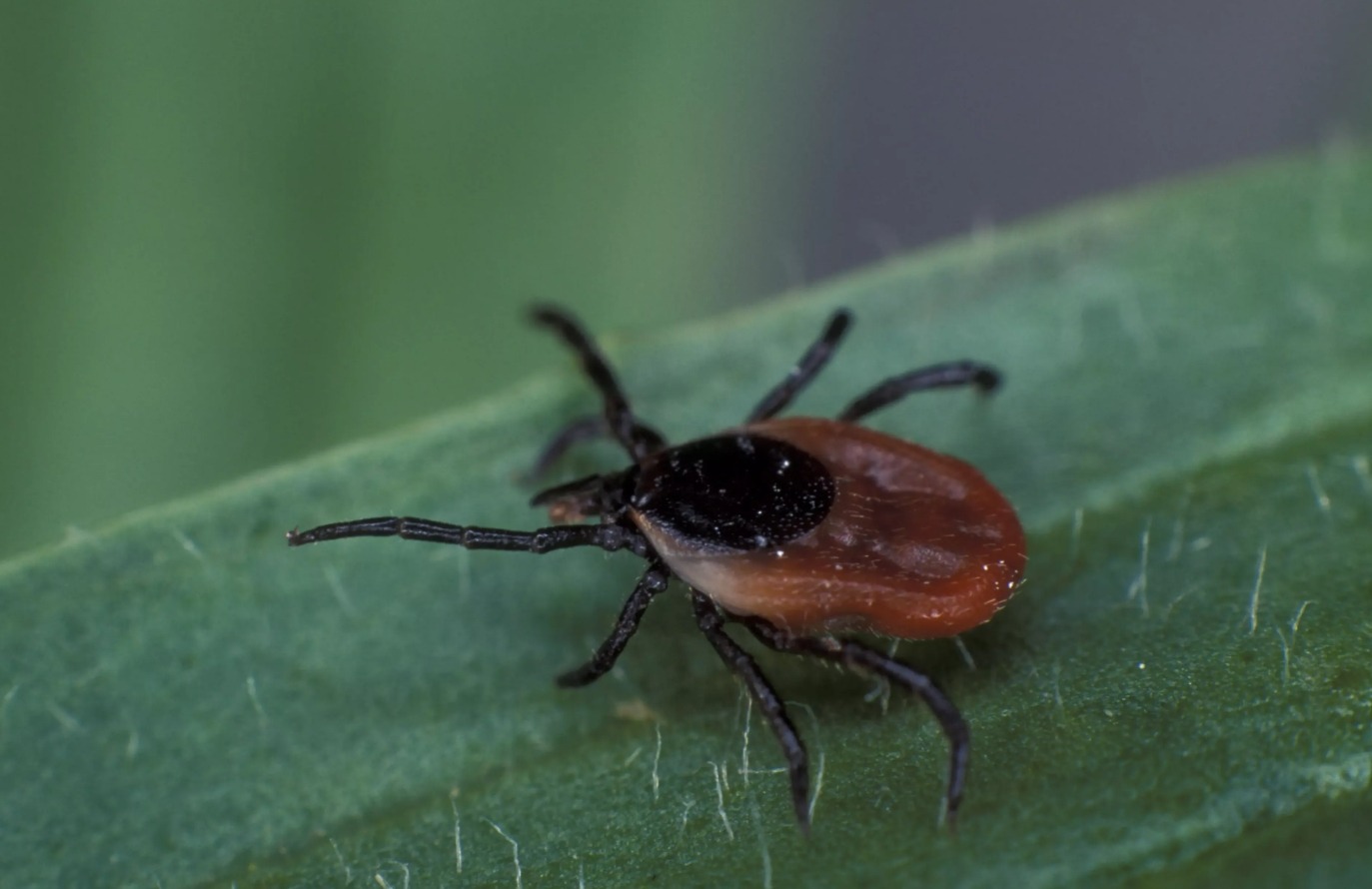
Ticks in 2026 may wake up earlier than usual. Image source: bigenc.ru
As for snakes and bats, there’s no need to worry. According to herpetologists, these animals only wake up after abnormally warm winters, which certainly didn’t happen this season. So not all inhabitants of the under-snow world will come out to greet you — only the hungriest and most numerous.
In southern regions of Russia they may appear as early as March, in the central part (Moscow and so on) — usually in April. And in Siberia and the north — closer to May. The first warm days are a signal for ticks that it’s time to look for food.
How to Protect Yourself from Mosquitoes and Ticks
So, the main rule is — don’t panic, but be prepared.
Here are a few practical tips:
- Remove from your yard any containers that can collect water: old buckets, barrels, basins, even flower saucers. This is exactly where mosquitoes lay their eggs;
- Stock up on repellents in advance — sprays, creams, and fumigators. At peak season, stores may run out;
- After walks in the forest or park, thoroughly inspect yourself and your children for ticks. Pay special attention to the scalp, armpits, and groin area;
- Wear light-colored clothing with long sleeves when going outdoors — it’s easier to spot a tick and harder for a mosquito to reach your skin;
- If you live at a dacha, don’t allow water to stagnate in ditches and low areas around your property;
Only female mosquitoes drink blood — they need it for egg development. Males feed exclusively on plant nectar and are completely harmless. So if a mosquito is buzzing near you but not biting, it might just be a hungry vegetarian.
What Determines the Number of Mosquitoes and Ticks
Should you panic? Probably not. Entomologists emphasize that the final number of insects will depend not on the snow, but on the weather after it melts. If April and early May turn out to be dry and hot, puddles will dry up quickly, and some mosquitoes simply won’t have time to complete their full development cycle. But if spring is prolonged and wet — then yes, prepare yourselves.
As for parasites in general, specialists reassure that their numbers will be normal, without any anomalies. A snowy winter is not a death sentence, but just one of many factors. Other experts point out that bodies of water covered too densely by snow suffered from oxygen deprivation, which means some larvae may have died during the winter.