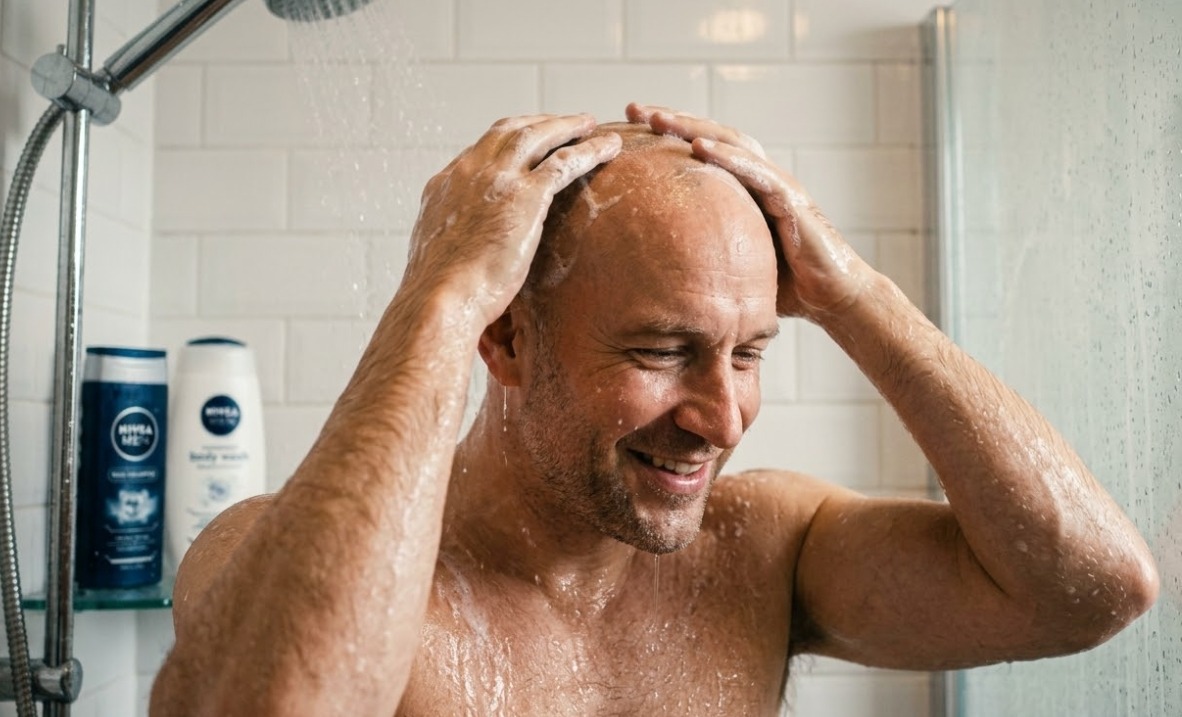
A shower filter is one of those purchases where your only regret is not buying it sooner
Every day we wash our hair with tap water without thinking about the consequences. It’s just water — what could go wrong? But a dermatologist has warned that if you have a predisposition to hair loss, ordinary tap water can push the situation all the way to complete baldness.
Why Tap Water Is Dangerous for Hair
You might think water is just water. But in reality, it contains many dissolved substances that are far from friendly to our hair. According to dermatologist Vasilina Mironova, washing your hair with unfiltered tap water weakens and clogs hair follicles. This increases the risk of baldness, especially if there is already a genetic or hormonal predisposition to hair loss.
In simple terms, tap water alone won’t make you bald overnight. But if your body is already on the edge, unfiltered water can become that final blow that triggers active hair loss. The thing is, hair loss is a multifactorial process with a huge range of causes, and water quality plays a far from insignificant role in it.
How Hard Water and Chlorine Destroy Hair
The main enemies of your hair in tap water are calcium and magnesium salts (which make water hard) and chlorine, which is added for disinfection. Each of them causes damage in its own way, but together they put your hair through a real obstacle course.
Increased hardness due to a large amount of dissolved salts makes hair dull, dry, brittle, and unmanageable. Minerals settle on the hair and scalp, forming a thin film that prevents nutrients from reaching the roots. As Mironova notes, the natural pH of the scalp is disrupted, causing dryness, itching, flaking, and irritation. Dandruff appears.
But that’s not all. Chlorine, which is used to disinfect water, irritates the sensitive scalp and destroys keratin — the main protein that hair is made of. Essentially, chlorine acts as a mild oxidizer: it lifts the cuticle scales of the hair, making it porous and defenseless. Hair loses its elasticity, strength, and begins to break.

If white deposits constantly appear on your faucet and kettle, that’s a sure sign of hard water
Can Tap Water Change Hair Color
It turns out that hard and chlorinated water can not only damage hair structure but also change its color. According to dermatologist Mironova, metals and various impurities in water can give hair a greenish or coppery tint. Not exactly a pleasant surprise after a regular hair wash, wouldn’t you agree?
The mechanism works like this: chlorine oxidizes metal ions (primarily copper and iron) found in tap water. These oxidized compounds settle on the hair, and light and color-treated strands suffer the most. Blonde hair can develop a characteristic greenish tint, while redheads and those with light brown hair may get an unwanted coppery tone. Color-treated hair also loses pigment faster, so the color fades literally before your eyes.
FOR COMPARISON: in a swimming pool, where chlorine concentration is significantly higher, hair can turn green after just a few visits.
How to Protect Your Hair While Washing
The good news is that the problem can be solved, and you don’t need to move to a region with perfect water to do it. The most reliable method is to install a water filter. This can be a stationary water softener filter at the water inlet to your apartment, or a simpler option — a showerhead attachment with a carbon cartridge that effectively removes chlorine and some impurities.
If a filter isn’t in your plans yet, there are more affordable tricks. Rinse your hair after washing with water mixed with apple cider vinegar — this will help restore the scalp’s pH and partially neutralize mineral deposits. Use shampoos and conditioners with chelating agents (they bind metal ions) and keratin-based products to restore damaged hair structure.
The main thing is not to ignore the symptoms. If your hair is constantly dry, tangled, and brittle after washing, and too many hairs are left on the comb — that’s a reason to check your water quality. Simple test strips from a pharmacy or hardware store will show the hardness and chlorine levels in just a couple of minutes.