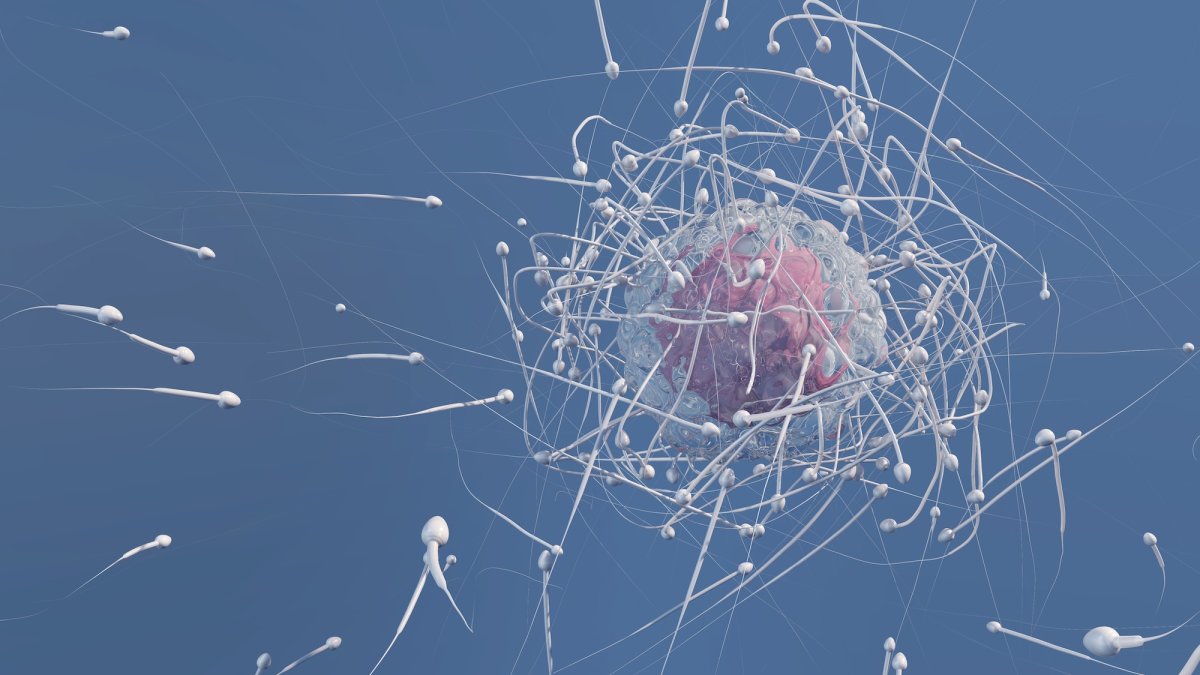
Sperm get lost in microgravity conditions, and this could seriously affect space travel. Image source: popsci.com
Sperm from humans, mice, and pigs cannot find their way to the egg when gravity is removed — even though they swim at normal speed. A new study from the University of Adelaide has shown that weightlessness doesn’t slow sperm down but disorients them: they literally get lost. And this could become one of the major problems for future space colonies. This is not the first attempt to understand whether natural conception in weightlessness is even possible.
What Happens to Sperm in Zero Gravity: Experiment Results
Researchers from the Robinson Institute at the University of Adelaide (Australia) set out to test how microgravity affects sperm’s ability to reach the egg. To do this, they used sperm samples from three mammalian species — humans, mice, and pigs — and placed them in a special maze simulating the female reproductive tract.
Weightlessness was simulated on Earth using a 3D clinostat — a device that continuously rotates samples in multiple planes. The device works by “continuously rotating cells or samples in multiple directions, essentially randomizing the direction of gravitational pull so quickly that cells never have time to settle or orient themselves,” explained senior author Nicole McPherson. From the cell’s perspective, there is no constant “up” or “down” — it experiences a kind of continuous free fall that approximates weightlessness in space.
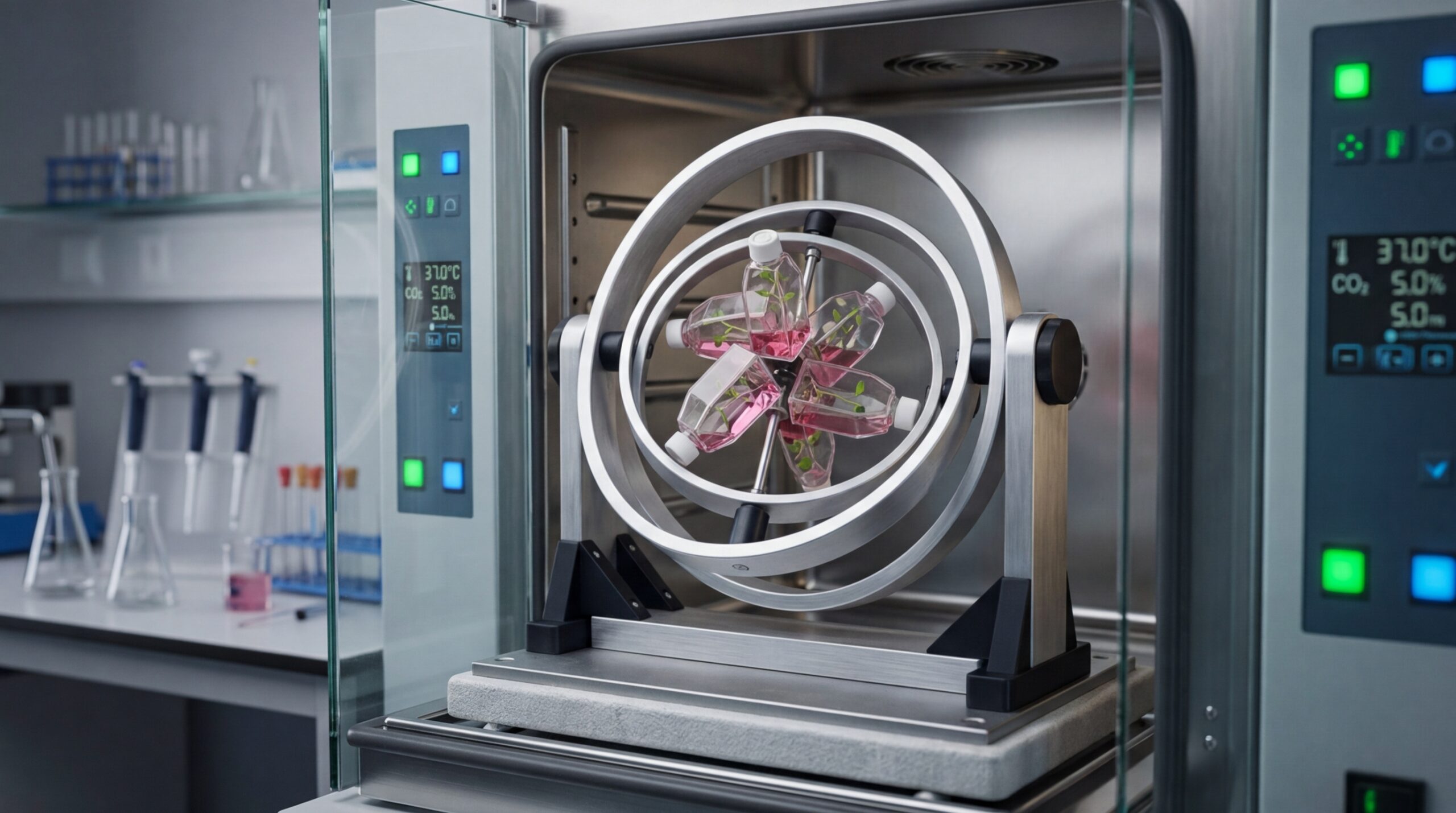
3D clinostat — a device that simulates weightlessness by rotating samples in multiple planes
This is the first time it has been shown that gravity is an important factor in sperm’s ability to navigate a channel resembling the reproductive tract. The results were published on March 26, 2026, in the journal Communications Biology.
Why Sperm Lose Their Orientation in Zero Gravity
The results were unambiguous: scientists observed a significant decrease in the number of sperm that successfully passed through the maze chamber under microgravity conditions compared to normal gravity. For human sperm, navigational efficiency dropped by approximately 40%.
At the same time — and this is perhaps the most curious detail — the physical movement of sperm did not change: they swam at normal speed but simply couldn’t stay on course. The problem was not with the “engine” but with the “navigator.”
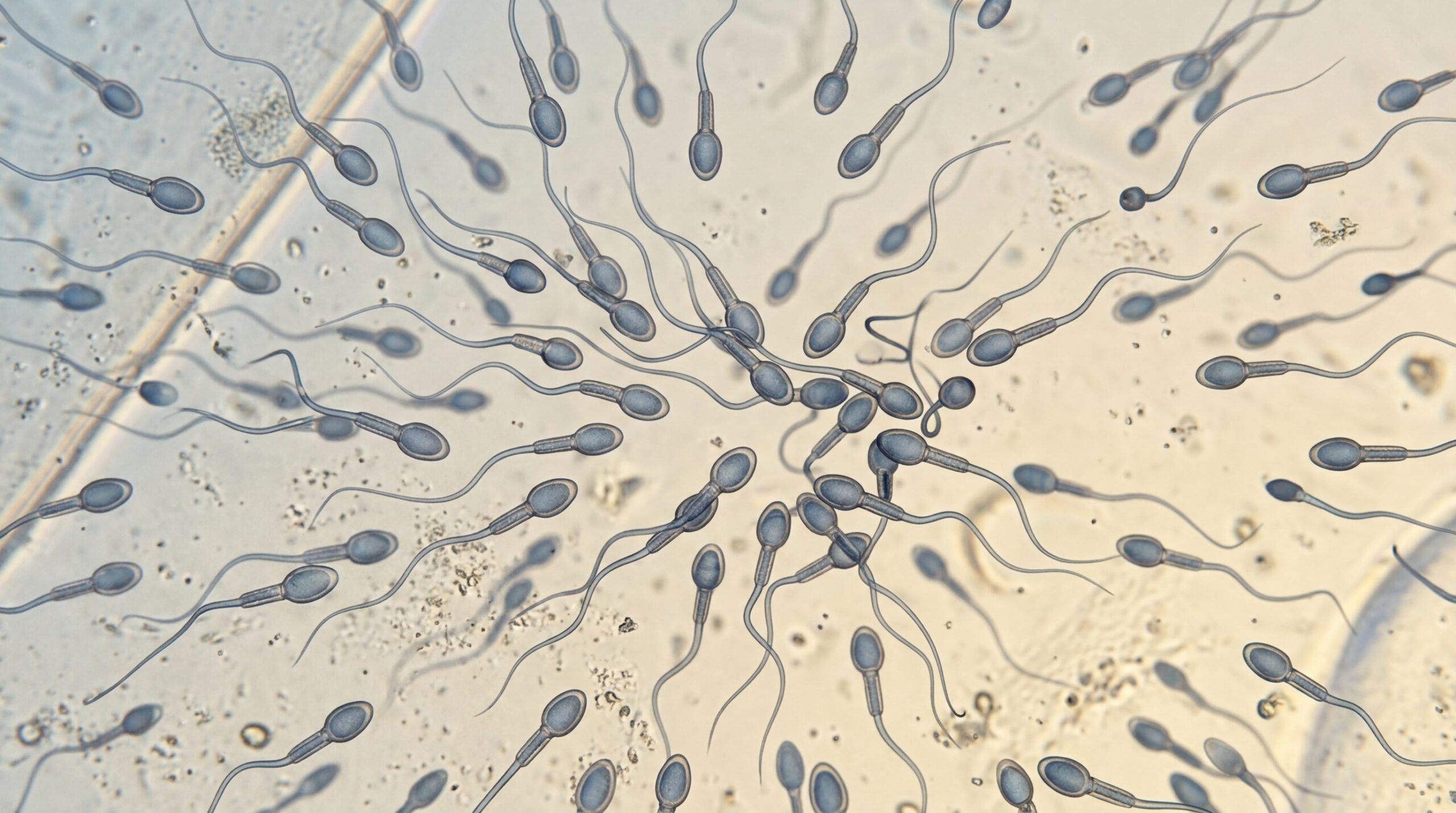
Without gravity, sperm swim at normal speed but lose direction
Why does this happen? The team led by reproductive immunologist Hannah Lyons doesn’t know for certain yet. Researchers suggest that without the usual gravitational pull, sperm lose contact with the walls of the channel, which may provide directional cues. Simply put, under normal conditions, gravity helps sperm “feel” the walls of the reproductive tract and move along them — much like how we navigate a dark corridor by touching the walls with our hands. Without gravity, this contact is lost, and the cells begin to wander.
Can We Reproduce in Space: Problems with Fertilization
Loss of orientation is not the only problem. Even if a sperm cell does manage to reach the egg, the subsequent process is also disrupted. When mouse sperm spent four hours in simulated weightlessness and were then introduced to eggs, the number of successful fertilizations dropped by 30% compared to normal conditions.
Longer exposure proved even more damaging: developmental delays were observed and, in some cases, a reduction in the number of cells that form the fetus during the earliest stages of embryo development.
Whether the same holds true for humans remains unclear, but in the clinostat, human and mouse sperm behaved similarly. This makes the results concerning, though still preliminary: the study was conducted not in space but in a laboratory simulator, and it still needs to be confirmed under real weightlessness conditions.
How Progesterone Helps Sperm Navigate in Zero Gravity
However, the study also brought an encouraging result. Gravity is not the only force sperm use for navigation. Scientists were able to guide human sperm to the end of the maze even under microgravity conditions — by laying down a strong chemical “trail” using the hormone progesterone.
Progesterone works as a chemical signal — a kind of “biological beacon” that the egg releases during ovulation. Chemotaxis (cell movement along a chemical gradient) partially compensated for the absence of gravity.
However, there is a significant caveat: the concentrations of progesterone needed to achieve the effect were significantly higher than those naturally present in the female reproductive tract. So this is not yet a ready-made solution for space colonists, but rather a direction for further research.
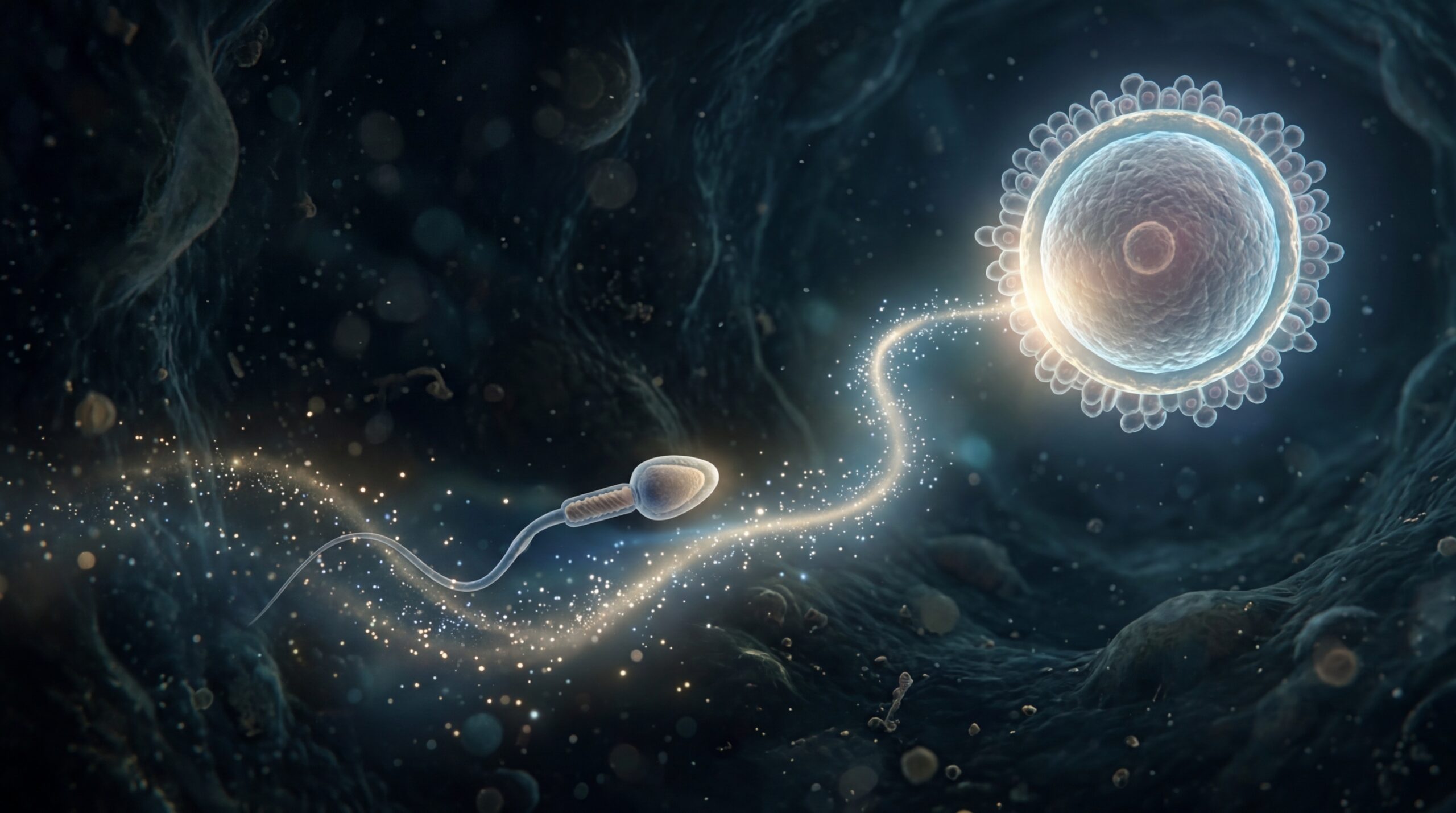
Progesterone helps sperm find the egg even without gravity — but in elevated doses
At the same time, many healthy embryos still formed even when fertilization occurred under such conditions — this gives hope that reproduction in space may one day become possible.
Can Humans Reproduce in Space: What We Already Know
This study is part of a growing body of work trying to answer a fundamental question: will humanity be able to reproduce beyond Earth? And for now, the answer is more like “we don’t know.”
As early as 1987, the Soviet mission “Cosmos-1887” with rats and 1998 experiments with mouse embryos on the shuttle Columbia pointed to reproductive problems in space. In 2018, NASA’s Micro-11 mission sent human sperm to the ISS for the first time to study the effects of weightlessness. Previous experiments with sea urchin and bull sperm showed that motility activation behaves differently in microgravity.