Scientists believe that human cloning has more downsides than benefits
Human cloning could solve so many problems at once. It offers a chance for childless couples to have a genetically related child, the possibility of growing donor organs that would be a perfect match, and even a kind of resurrection of people. Scientists have long known how to turn an ordinary cell into a new organism — just think of Dolly the sheep, who was born a quarter of a century ago. But why haven’t we cloned humans yet?
Why Human Clones Don’t Exist
Technically, scientists have been able to clone human embryos for a long time. It would seem that the door to science fiction is right there. But that door is locked, and the key wasn’t lost by accident.
Contrary to popular belief, the main obstacle has not been ethics or government bans. The problem runs deeper: human cloning today is an incredibly dangerous, inefficient, and frankly, simply unnecessary process. Let’s explore why a meeting with your evil clone is unlikely to ever happen.
Cloning Efficiency Is Low
Let’s recall the story of Dolly the sheep. When scientists produced a viable mammal from an adult cell in 1996, the world thought the future had arrived. The method of reproductive cloning — in which DNA from a donor cell is inserted into an egg cell with its own genetic material removed and then stimulated with electricity — seemed like a universal key.
But behind the impressive picture lies horrifying statistics: to produce just one Dolly, scientists needed 277 attempts. Today the situation is slightly better, but the overall success rate of mammalian cloning rarely exceeds 10–20%. For mice, this is an acceptable risk; for humans, it’s an ethical catastrophe.
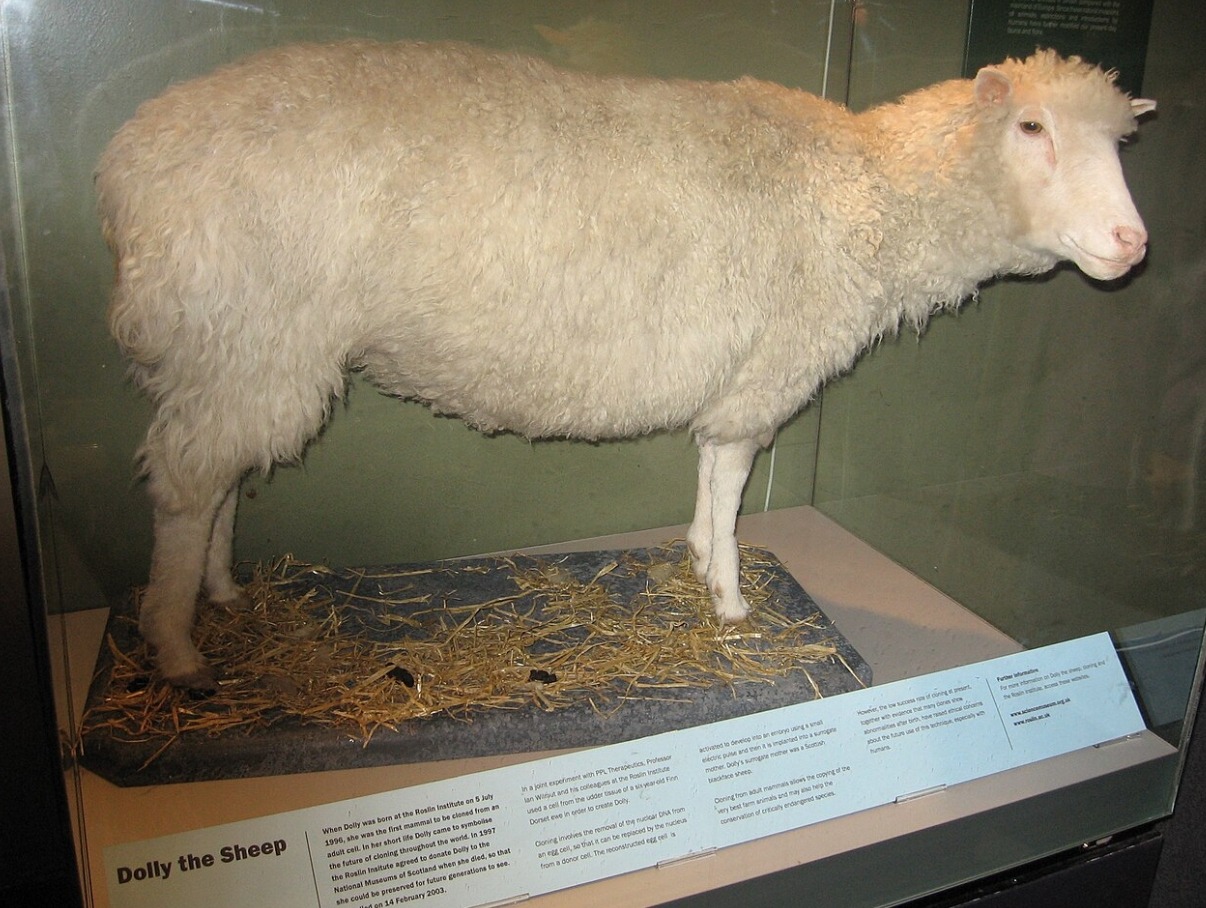
Stuffed Dolly the sheep. Image source: wikipedia.org
Imagine the scale of the tragedy if we were talking about humans. To carry out successful cloning, researchers would have to go through a logistical nightmare: collecting a huge number of donor egg cells and finding an army of surrogate mothers.
But the scariest part comes after. As José Cibelli, a specialist in reproductive biology, explains, most cloned embryos die before implantation, while others lead to miscarriages.
The rare few that are actually born often die within the first hours or are born with severe deformities. The risk of harming the child or the mother is so great that no sensible scientist would take on such responsibility.
There Is No Point in Cloning
Perhaps the most surprising brake on the technology is the lack of a clear reason for why it’s even needed. In movies, clones are needed to resurrect the dead or grow spare organs for the wealthy.
Reality is more mundane and humane. Cloning does not restore a person’s identity — it creates an identical twin with exactly the same DNA but a different personality and destiny.
As for organs, therapeutic cloning exists for that purpose. It works almost the same way, but the embryo is not implanted into a uterus — instead, it is used to grow stem cells. These cells are universal soldiers capable of transforming into any body tissue and potentially curing Parkinson’s disease, diabetes, or paralysis.
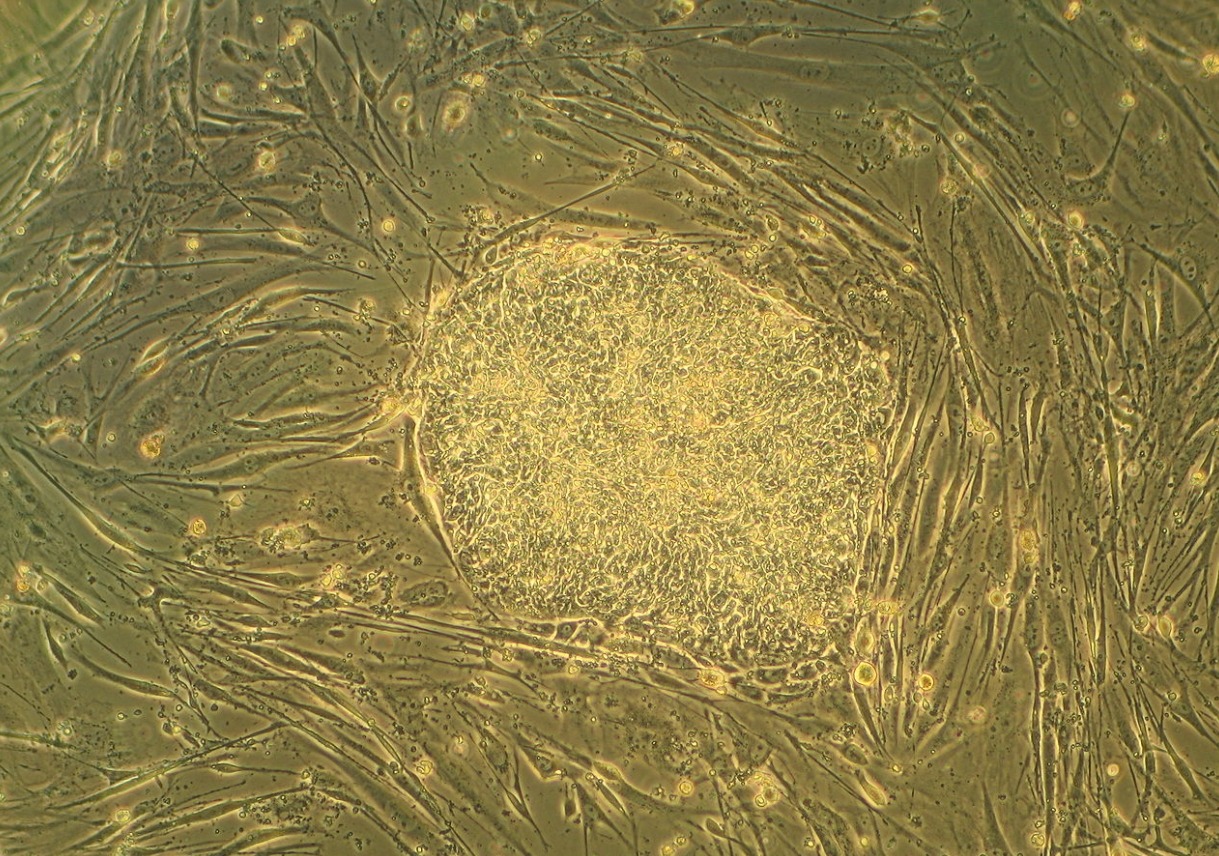
Human embryonic stem cells. Image source: wikimedia.org
However, not everything is smooth here either. First, extracting stem cells from embryos is a complex and ethically controversial process. Second, pharmaceutical companies are not eager to invest in individualized treatments when it’s easier to mass-produce standard pills. And most importantly, science has gained a simpler and cheaper competitor.
We’re talking about the technology of induced pluripotent stem cells (iPSCs), where an ordinary adult cell is “reprogrammed” back into a universal state. This can be done practically with a kit of reagents from a store, while therapeutic cloning requires a top-tier laboratory and uniquely skilled specialists.
The Attempt to Create a Human Clone
Of course, history has seen attempts to claim success in human cloning. In 2002, the Raëlian sect, which believes in the extraterrestrial origin of humanity, announced the birth of a girl named Eve — the first cloned child. More than twenty years have passed, but no evidence of Eve’s existence has ever appeared.
This story became more of a warning: sensational claims have nothing to do with real science. So human cloning remains the realm of science fiction for now. Because it’s one thing to ask the question “can we do it?” and quite another to honestly answer “do we even need to?”