The Samsung Galaxy S26 has finally been unveiled. It already has serious flaws that Samsung itself has acknowledged. But there’s another question that keeps bothering brand fans. The compact flagship got a new chip, a slightly larger screen and battery, but essentially remained the same phone as a year ago. Against this backdrop, the loss is felt even more acutely — the company canceled the Galaxy S26 Pro, a smartphone that could have changed the rules of the game in the compact flagship segment. Let’s figure out why this happened and whether it’s worth getting too upset about it.
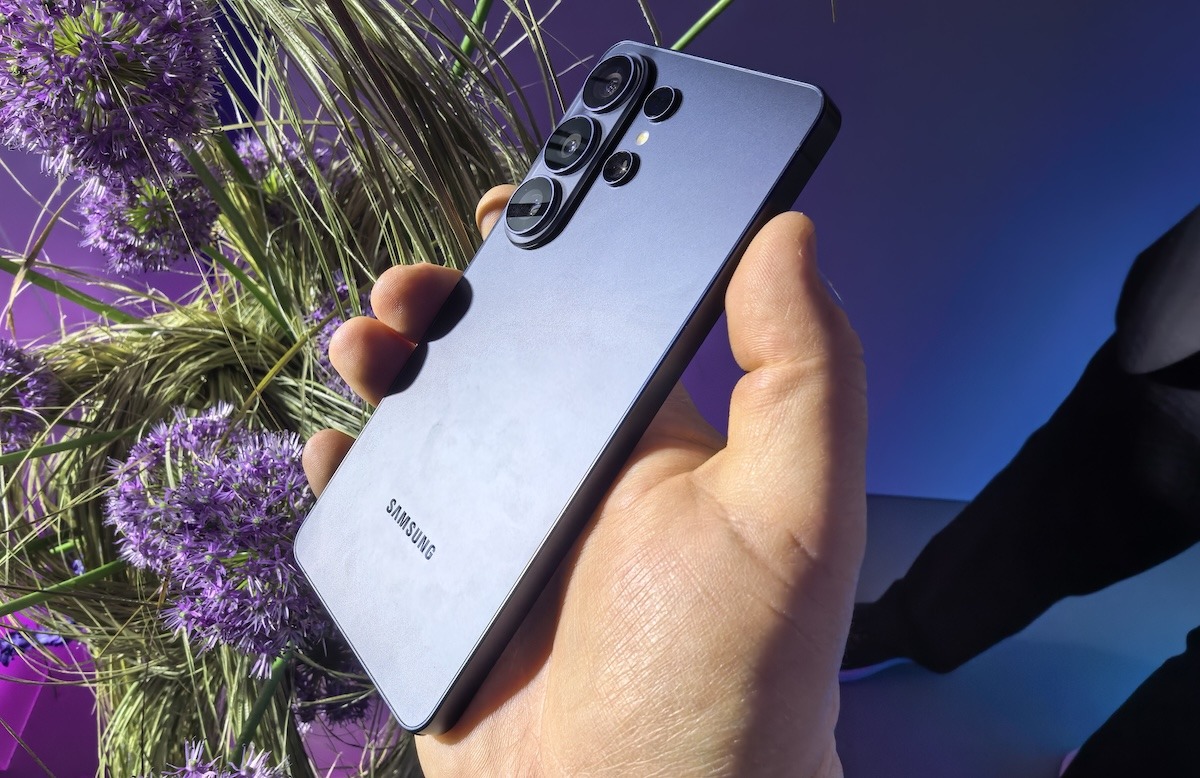
This smartphone is good, but with some caveats.
What the Galaxy S26 Pro Could Have Been
Last summer, rumors about the Galaxy S26 lineup painted a completely different picture. It was expected that Samsung would release three models: S26 Pro, S26 Edge, and S26 Ultra. In the end, only one of them made it to store shelves. The Pro version never came out, even though it generated the most interest among the audience.
Samsung fans have long been asking for something like this: a compact flagship more powerful than the standard model, but without the bulky dimensions of the Ultra. The ideal option would have looked something like this — a 6.3-inch screen, a 200 MP main camera, a 50 MP ultrawide, and a 50 MP telephoto with 5x zoom. A phone that’s comfortable to use with one hand and doesn’t weigh down your pocket.
The S Pen could have been dropped — it would barely fit in a body of that size anyway, and its absence would have preserved the Ultra’s uniqueness. The 3x zoom lens wouldn’t be missed either: it has long been outdated even on flagship models and doesn’t add real value. The result would have been a truly well-thought-out competitor to the iPhone 17 Pro or Pixel 10 Pro — exactly what’s been missing from Samsung’s lineup.
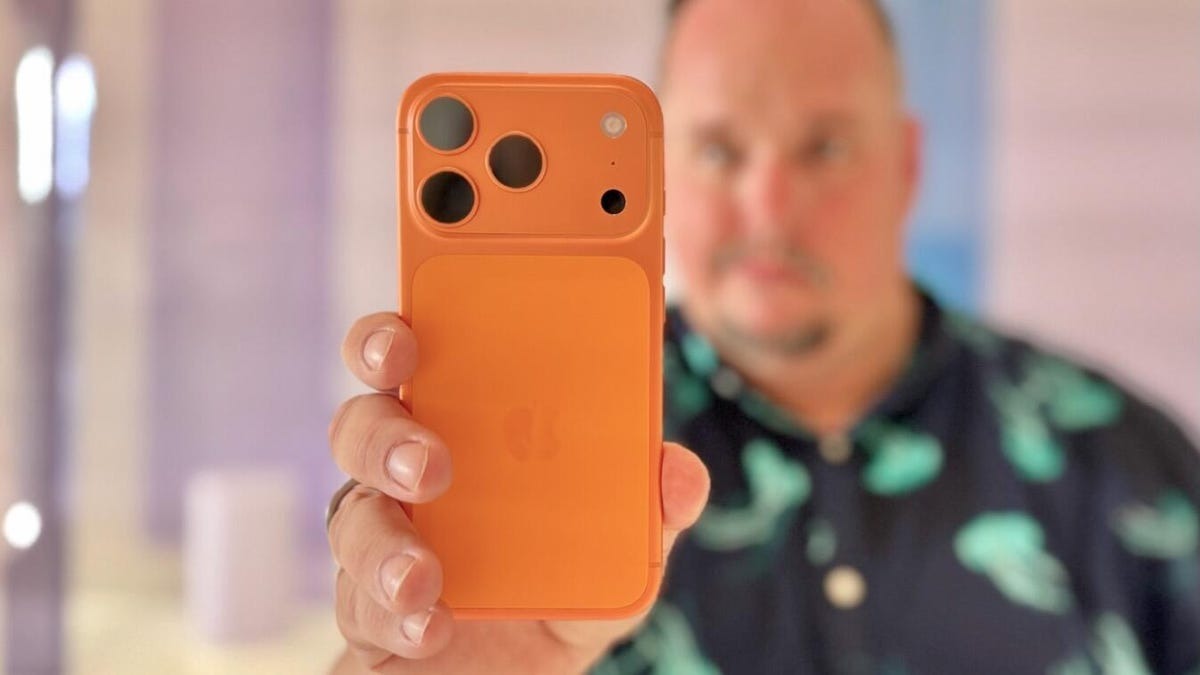
iPhone 17 Pro competes well with the Samsung Galaxy lineup. Image: cnet.com
Is the Galaxy S26 Worth Buying
Reality turned out to be far more mundane. The Galaxy S26 is essentially a Galaxy S25 with a new processor, a slightly larger screen and battery, and more base storage. This means it’s not worth buying if you already have last year’s model. And if you wanted to buy the Galaxy S25 last year but found it not innovative enough, then buying essentially the same thing this year simply makes no sense. Of course, unless you’re a Samsung fan who absolutely has to buy the new phone. But in that case, it’s better to look at last year’s model, considering how Samsung has changed its smartphone prices.
In any case, it’s quite difficult to call the new smartphone a full-fledged upgrade. The rear cameras on the Galaxy S26 are identical to those in the Galaxy S22 back in 2022. Three years without changes in one of a flagship’s key components sounds like a mockery of brand fans.
Of course, the cameras themselves aren’t bad, but compare them to competitors in the same price range — and the picture becomes less rosy. Particularly noticeable is the shutter lag that plagues all Samsung smartphones and ruins the experience when shooting dynamic scenes.
The Galaxy S26 is not a bad phone. It’s fast, lightweight, with a good screen and Galaxy AI support. Many people will like it, and that’s understandable. But praising something doesn’t mean turning a blind eye to its shortcomings. The main one is a price higher than last year’s with minimal real improvements.
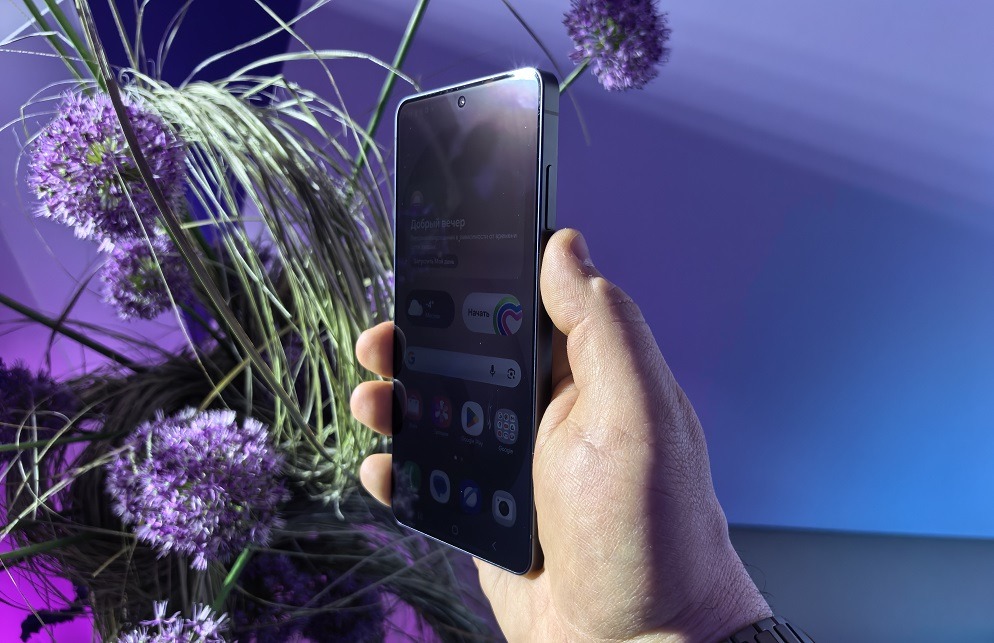
A dimming screen feature alone isn’t enough to earn the title of best phone.
Why Samsung Should Have Released the S26 Pro
The cancellation of the Galaxy S26 Pro is a symptom of a deeper problem. For years, Samsung has been following a well-worn path, offering two extremes: the budget standard and the expensive Ultra. The space between them remains unfilled, and competitors are actively taking advantage of this.
Apple and Google have long offered Pro models in the compact segment — phones with top-tier cameras that don’t require sacrifices in size and weight. Samsung had a chance to directly compete with them but backed off. The reasons could be varied: component issues, logistics complications, strategic miscalculations. But for the buyer, that doesn’t matter.
In the end, those who wanted a compact flagship with outstanding cameras were once again left with nothing. The Galaxy S26 is a worthy choice for those who weren’t expecting anything special. But the market doesn’t stand still, and Samsung risks losing the audience that wants more from a small device. While competitors are building their advantage in cameras and lineup diversity, Samsung continues to tread water — and this is no longer just a disappointment, but a troubling trend.