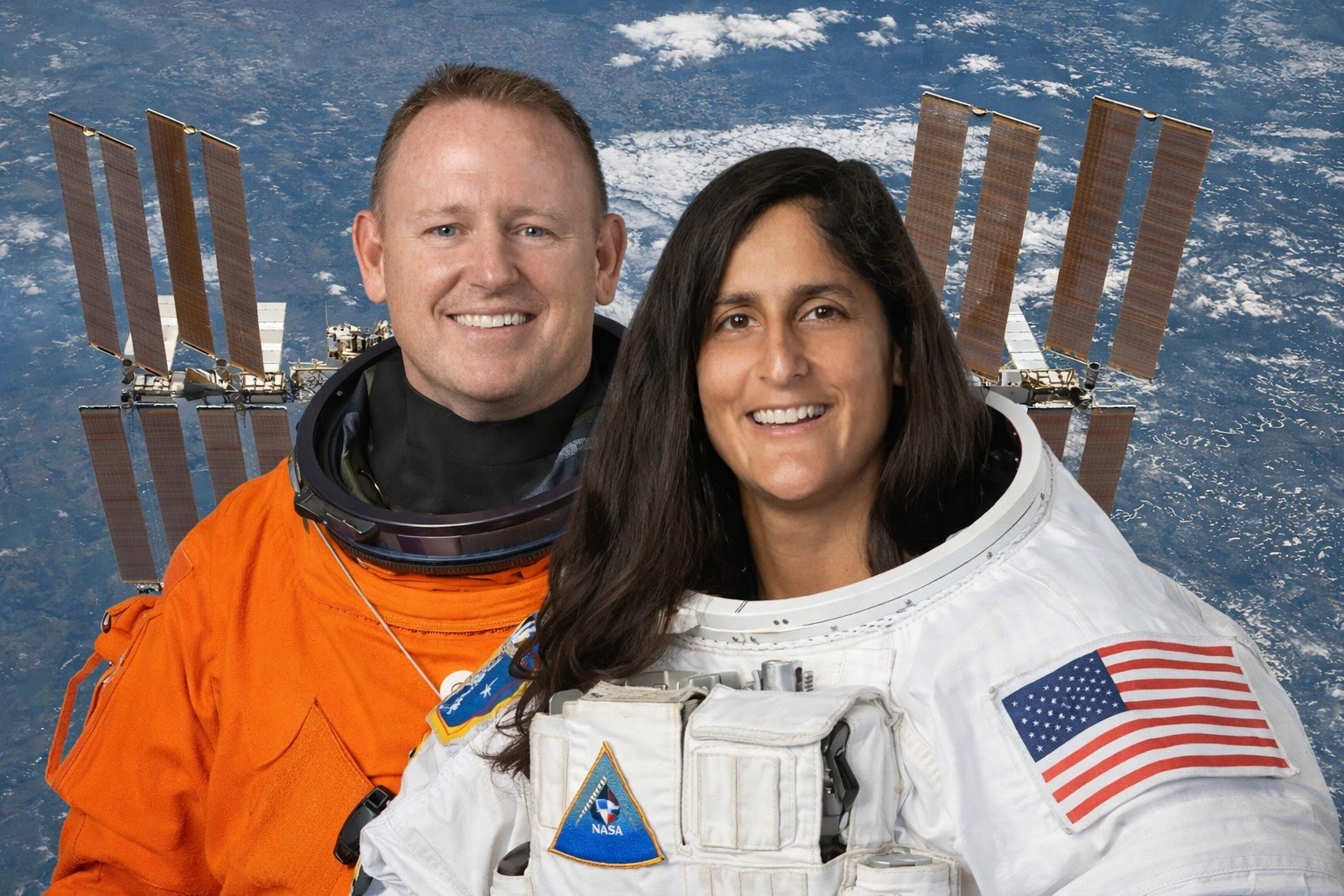
Butch Wilmore and Suni Williams, stranded in space for half a year
Let’s imagine you go on a business trip for eight days and don’t come back for eight months. It sounds like the plot of a science fiction movie, but that’s exactly what happened to NASA astronauts Butch Wilmore and Suni Williams. Their spacecraft, the Boeing Starliner, was supposed to become the new workhorse of American spaceflight, but instead became the source of one of the most high-profile scandals in the agency’s history. NASA officially classified the Starliner incident as a “Type A Mishap” — a category that puts it on par with the Challenger shuttle disaster.
What Happened with the Boeing Starliner Spacecraft
In June 2024, the CST-100 Starliner spacecraft headed to the International Space Station as part of the Crew Flight Test mission — its first crewed test flight. On board were two experienced astronauts: Butch Wilmore and Suni Williams. The flight was planned for approximately one week — a standard procedure of docking, systems checks, and return to Earth.
But serious problems began during the approach to the ISS. Five of the spacecraft’s twenty-eight reaction control system thrusters failed. Additionally, helium leaks were discovered in the propulsion system — helium is used to pressurize fuel tanks, and its loss directly threatens the spacecraft’s operability. Docking was ultimately achieved, but the question of the crew’s safe return hung in the air.
NASA and Boeing engineers spent several months analyzing the situation and ultimately made an unprecedented decision: Starliner returned to Earth without crew in September 2024. The astronauts were only brought home in February 2025 aboard a SpaceX Crew Dragon spacecraft. Instead of eight days, they spent more than eight months in orbit.
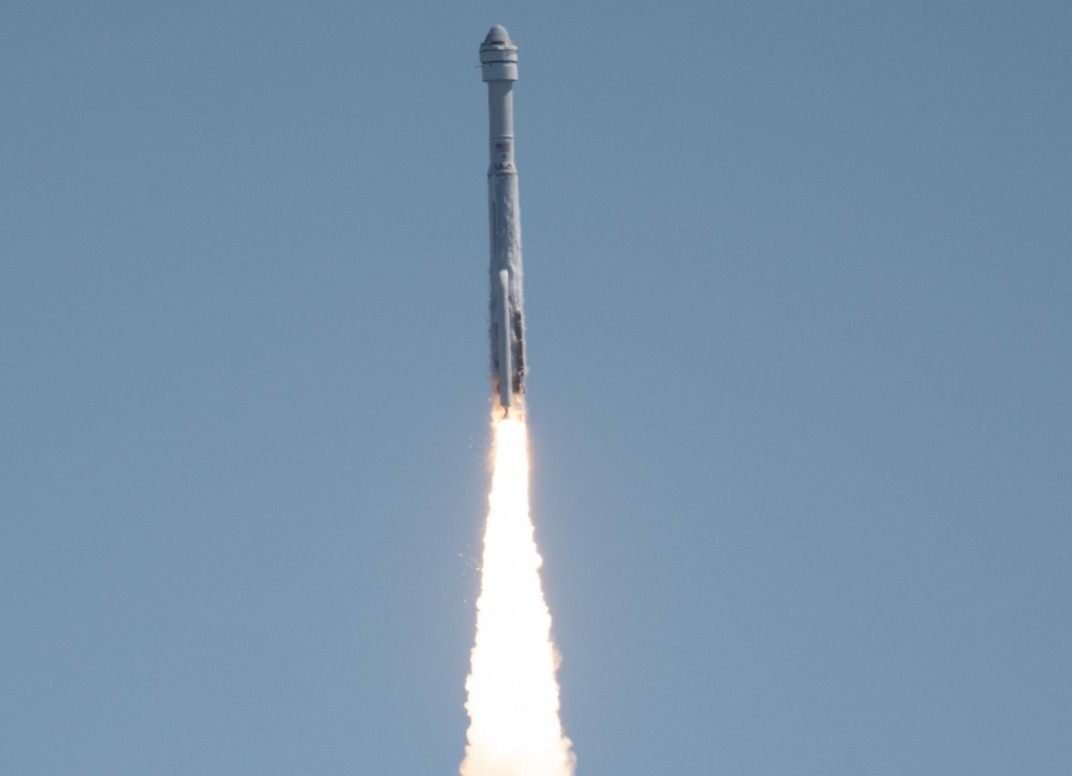
Launch of CST-100 Starliner in 2024. Image source: habr.com
Why NASA Classified the Incident as a Catastrophe-Level Event
At first glance, it might seem like everything ended well: the astronauts returned, the spacecraft landed. But NASA sees the situation differently. The agency classified the Starliner anomalies as a “Type A Mishap” — the highest incident category, applied in cases of loss of life, total loss of equipment, or damage exceeding $2.5 million.
For comparison, the same category was assigned to the Challenger shuttle disaster in 1986 and the loss of Columbia in 2003. Of course, no one died in the Starliner case, but the very fact that the crew could not safely return on their designated spacecraft speaks volumes. Simply put, if there had been no alternative in the form of SpaceX’s Crew Dragon, the consequences could have been catastrophic.
The fact is that the thruster failures occurred during a critical phase of the flight. These thrusters are needed not only for docking but also for braking during deorbit. The helium leaks further exacerbated the situation — without sufficient pressure in the fuel system, the spacecraft might simply not execute the braking maneuver correctly. NASA decided not to risk the astronauts’ lives, and this decision, however painful it was for Boeing, turned out to be the only right one.
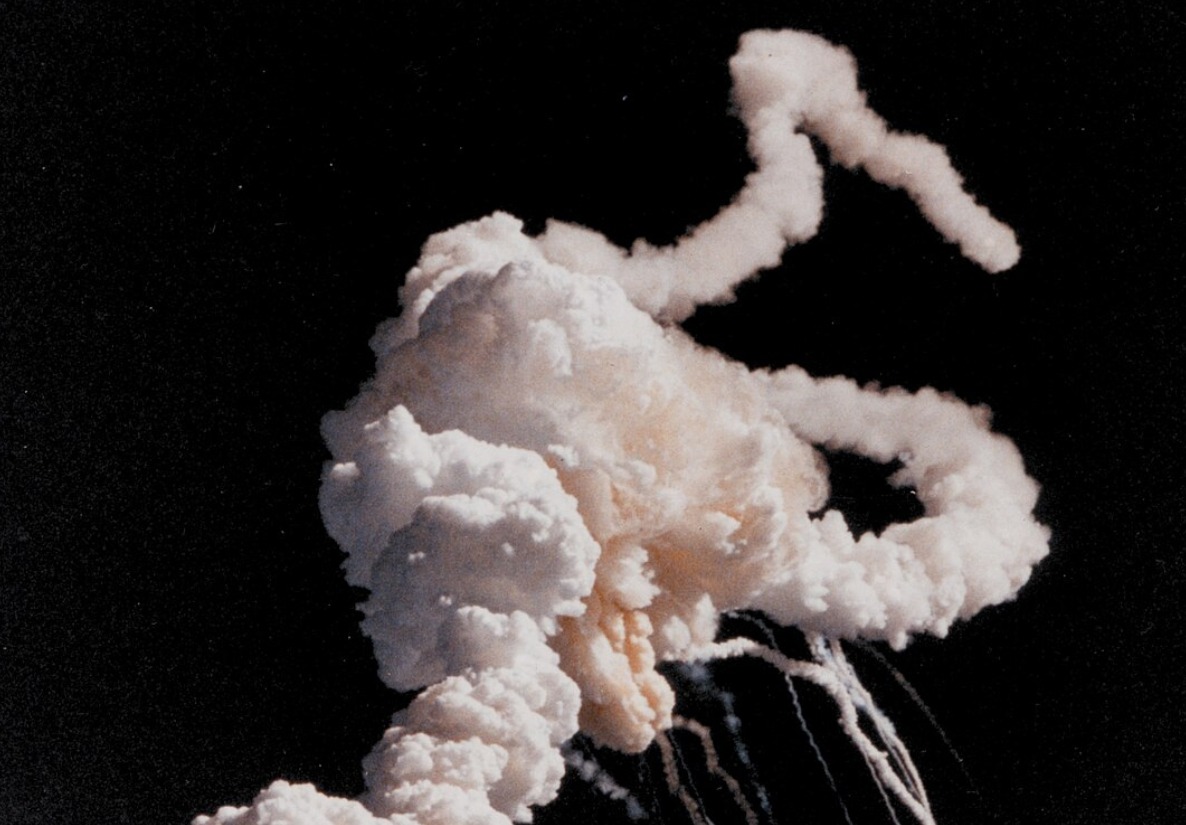
Challenger explosion in 1986. Image source: wikimedia.org
What Went Wrong with the Thrusters and Helium System
The root of the problem lies in the maneuvering thrusters — specifically, in their design. The attitude control and maneuvering thrusters of the Starliner are manufactured by Aerojet Rocketdyne. As the investigation revealed, during prolonged operation, the thrusters overheated, leading to deformation of valve seals. The result was unstable thrust and complete failure of individual thrusters.
The helium system story is even more interesting. Helium is an inert gas used to create pressure in fuel lines. Leaks were detected even before launch, but Boeing engineers deemed them insignificant and acceptable. In reality, the leaks intensified in space conditions. It turned out that the sealing elements behaved differently under temperature fluctuations and in vacuum than during ground testing.
But that’s not all. According to NASA, thruster problems had also manifested during previous uncrewed Starliner flights, but they weren’t given proper attention at the time. This raises an uncomfortable question: why was the spacecraft cleared for a crewed flight if the problems were already known? The “Type A Mishap” investigation is precisely intended to answer this question. An independent commission is examining the entire decision-making chain — from engineering to management.
What Will Happen with the Starliner Program and NASA’s Commercial Flights
Boeing found itself in an extremely difficult position. The Starliner program was already troubled: the first uncrewed test flight in 2019 ended in failure due to software errors — the spacecraft didn’t even reach the ISS. The repeat uncrewed flight in 2022 went better, but there were still concerns about the thrusters. Now, after the crew incident, the future of the entire program is in serious question.
NASA originally selected two contractors to deliver astronauts to the ISS under the Commercial Crew program: SpaceX with the Crew Dragon and Boeing with Starliner. The idea was to have two independent means of transportation — in case one failed. The irony is that it was Crew Dragon that ultimately rescued the astronauts whom Starliner was supposed to bring home.
According to available information, Boeing has lost more than $1.6 billion on the Starliner program beyond its contract with NASA. The company has not yet announced abandoning the project, but industry analysts doubt that Boeing will continue investing in a spacecraft that has never proven its reliability. However, the final decision will be made after the investigation is completed.
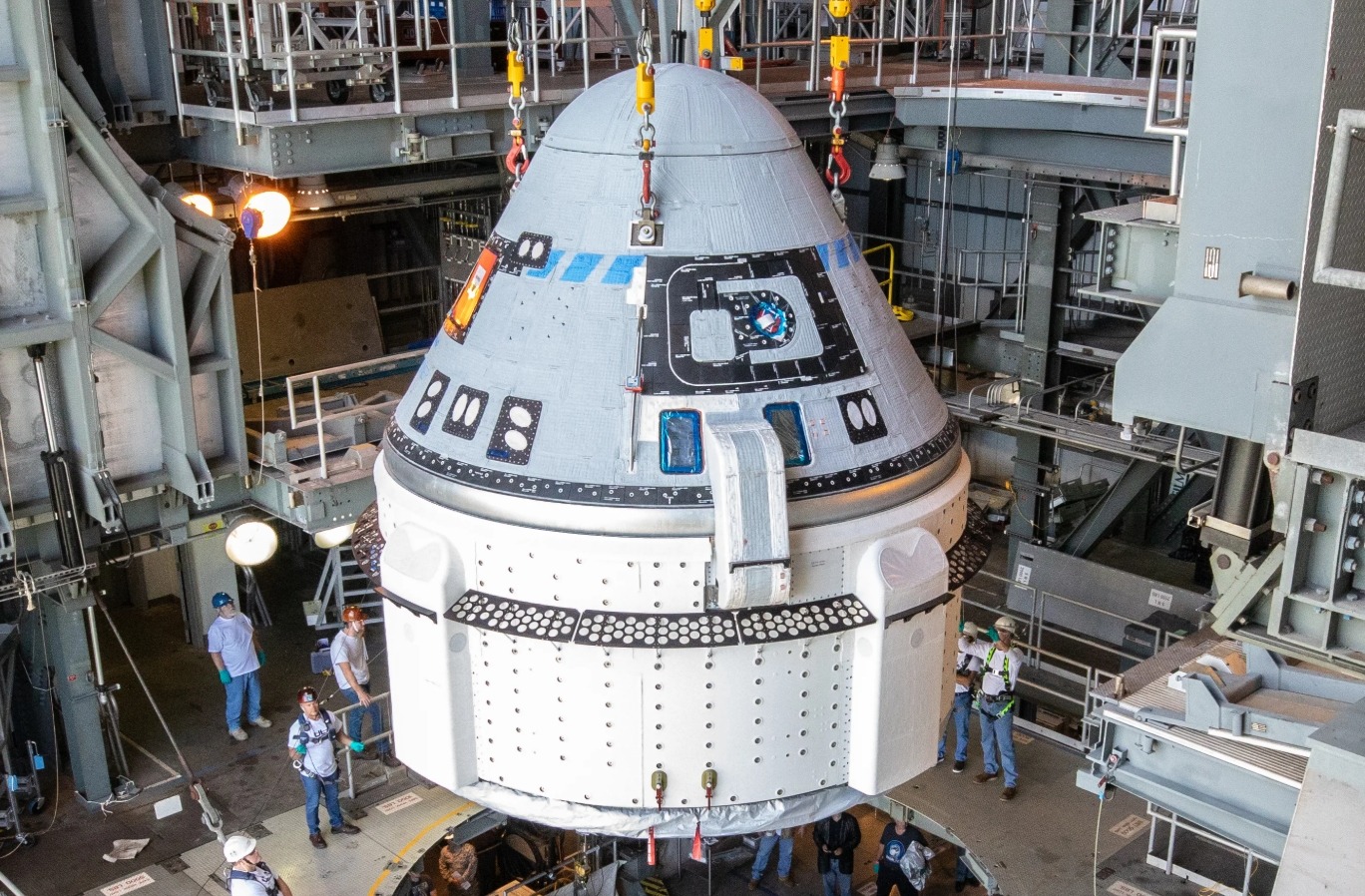
CST-100 Starliner spacecraft. Image source: Live Science
What Lessons the Space Industry Should Learn from This Story
The Starliner incident is not just a technical glitch. It’s a systemic problem that touches on the culture of safety in the space industry. Parallels with Challenger are inevitable: back then, engineers warned about the danger of launching in cold temperatures, but management ignored their concerns. In the case of Starliner, thruster problems were known in advance, yet the flight proceeded anyway.
It’s important to understand that the “Type A Mishap” category is not a punishment but a tool. It triggers the most thorough investigation possible, the results of which will become mandatory for all future missions. NASA has already stated that the commission’s findings will affect certification requirements for commercial spacecraft.
The story of Wilmore and Williams ended well — and that’s the most important thing. But it clearly demonstrated that in spaceflight, there are no minor malfunctions. Every leak, every unstable thruster is a potential threat. And if this story teaches the industry anything, it’s that crew safety must always stand above schedules, budgets, and contractor reputations.
Starliner did return — but without people on board. Sometimes the best decision is to let the ship go alone.